Rumex sanguineus

Red Panda Sorrel microgreens (Rumex sanguineus) are one of the most visually arresting crops in the ChefPax lineup — and one of the most distinctive in flavor. Grown from surface-sown coco coir seeds in 5×5 trays with a 3–4 day blackout and a long 18–28 day growing period, Red Panda Sorrel develops deep maroon stems with vibrant green leaves and a flavor that stands completely apart from any other microgreen we grow.
The flavor is lemony, tart, and bright — the oxalic acid in sorrel creates a clean, tongue-tingling acidity that functions as a natural acid replacement in dishes where you'd otherwise reach for lemon juice or vinegar. French cooking has long valued mature sorrel for this property; the microgreen form delivers the same flavor at a smaller scale, with the added visual impact of the striking maroon stems.
In Austin, sorrel microgreens have attracted chefs working in French-influenced kitchens and home cooks who discover that a small pinch of sorrel can replace the lemon squeeze on a piece of fish or a dressed salad. They're also exceptional in herbal teas — steep the microgreens briefly in hot water for a naturally lemony tisane with no added citrus needed.
Sorrel Microgreens are a ChefPax microgreen crop grown near Austin for salads as a natural acid element that can replace lemon dressing, chef plating, and home cooking. They are selected for concentrated flavor, texture, and cut-to-order freshness.
Sorrel Microgreens are part of the ChefPax crop library for chefs, restaurants, and home cooks in Austin, Texas. Red Panda Sorrel microgreens taste lemony, sweet, and tart simultaneously — the oxalic acid creates a clean, bright acidity that tingles slightly on the tongue in a pleasant way. The flavor is distinctive and assertive: you know immediately that you're eating sorrel. The maroon stems and veins contrast beautifully against the green leaf tissue, making this one of the most visually striking microgreens when used as a garnish. In the kitchen, they work especially well with Salads as a natural acid element that can replace lemon dressing, Fish and seafood, Soups and sauces where you want brightness without added citrus, Herbal tea. ChefPax focuses on crop-specific handling, fresh delivery, and practical culinary use so buyers can choose the right tray by flavor, texture, and service context.
Move from recipe inspiration to ordering: choose a smaller chef tray for trials or a 10x20 format for service volume.
Red Panda Sorrel (5×5)
distinctive lemony, sweet and tart flavor with deep maroon stems and veins
Red Panda Sorrel — Live Tray (10×20)
distinctive lemony, sweet and tart flavor with deep maroon stems and veins
Sorrel provide a more concentrated crop-specific flavor and a smaller finishing format than standard salad greens.
Red Panda Sorrel microgreens taste lemony, sweet, and tart simultaneously — the oxalic acid creates a clean, bright acidity that tingles slightly on the tongue in a pleasant way. The flavor is distinctive and assertive: you know immediately that you're eating sorrel. The maroon stems and veins contrast beautifully against the green leaf tissue, making this one of the most visually striking microgreens when used as a garnish.
Sorrel microgreens are rich in vitamin C, vitamin A, and iron — notably high iron content for a leafy green. They contain oxalic acid (the source of the lemony flavor), which in moderate quantities is safe but should be noted for individuals managing kidney stones or oxalate sensitivity. The magenta pigment in the stems comes from betacyanins, the same antioxidant compounds found in beets.
For a deeper look at vitamins and phytonutrients studied across varieties, see the microgreens nutrition guide.
Use the flavor wheel as a chef-facing shortcut from taste to products, recipes, and pairings.
Anise / licorice
Flavor pathSweet aromatic herbs for seafood, cocktails, eggs, and cream sauces.
Sorrel microgreens are grown in 5×5 and 10×20 formats. The 5×5 is refrigerated and best used within 4–5 days; the 10×20 live tray stays fresh 7–10 days on the counter. Handle gently — the stems bruise easily and maroon color fades at bruise points. Cut above the mat with clean scissors and use immediately for maximum visual and flavor impact.
Full storage tips — container types, fridge placement, and shelf life by crop — are in the microgreens storage guide.
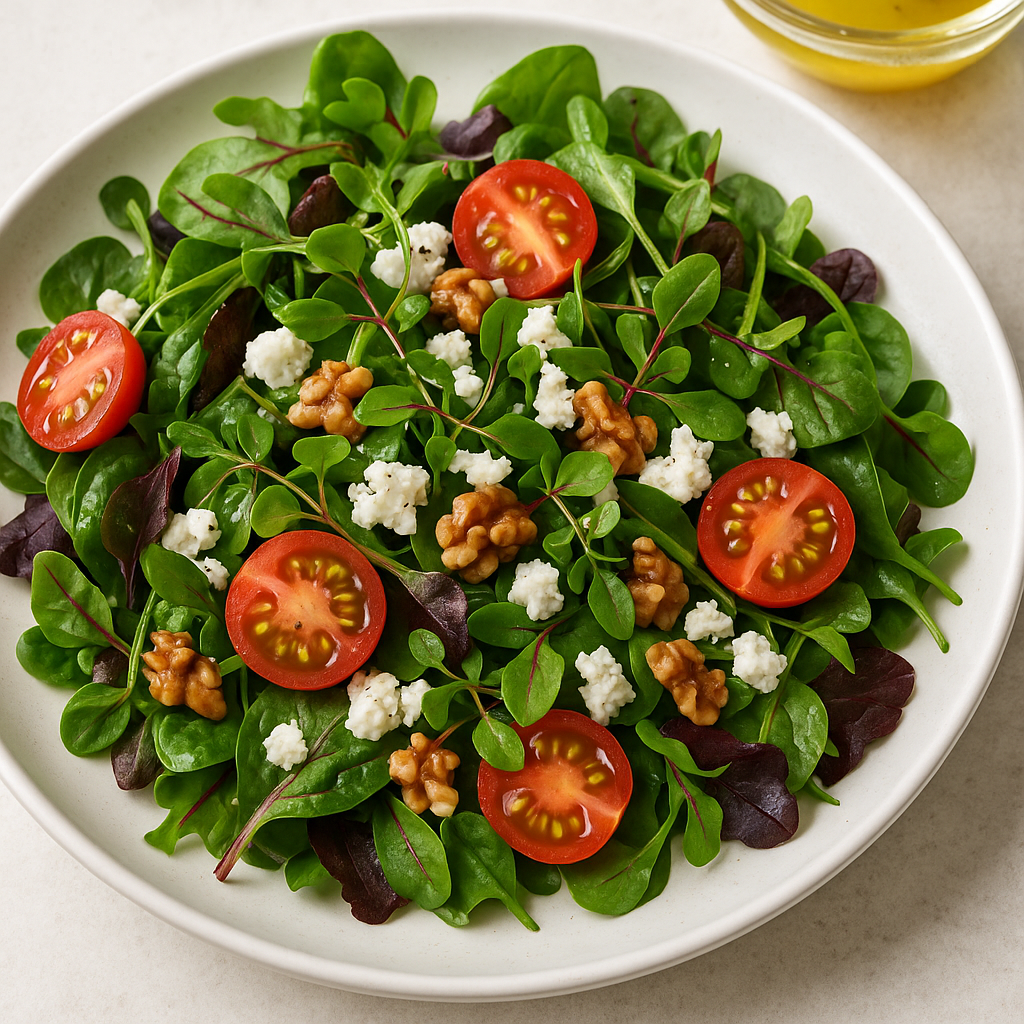
ChefPax Recipes
ChefPax recipe
10 min
Sorrel microgreens are naturally lemony — use them in place of half the greens in this simple salad to eliminate the need for vinegar.
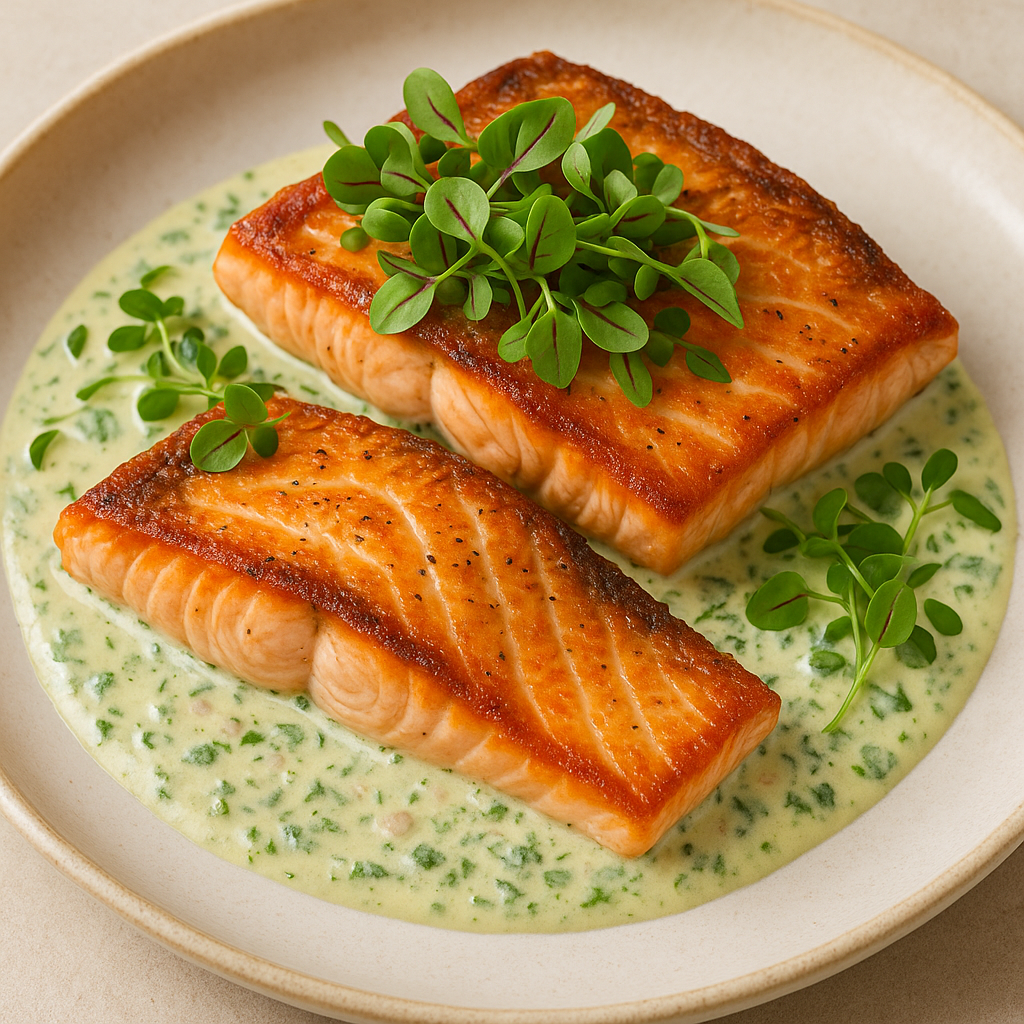
ChefPax Recipes
ChefPax recipe
25 min
A classic French bistro pairing — pan-seared salmon with a quick sorrel cream sauce made from microgreens wilted into crème fraîche.
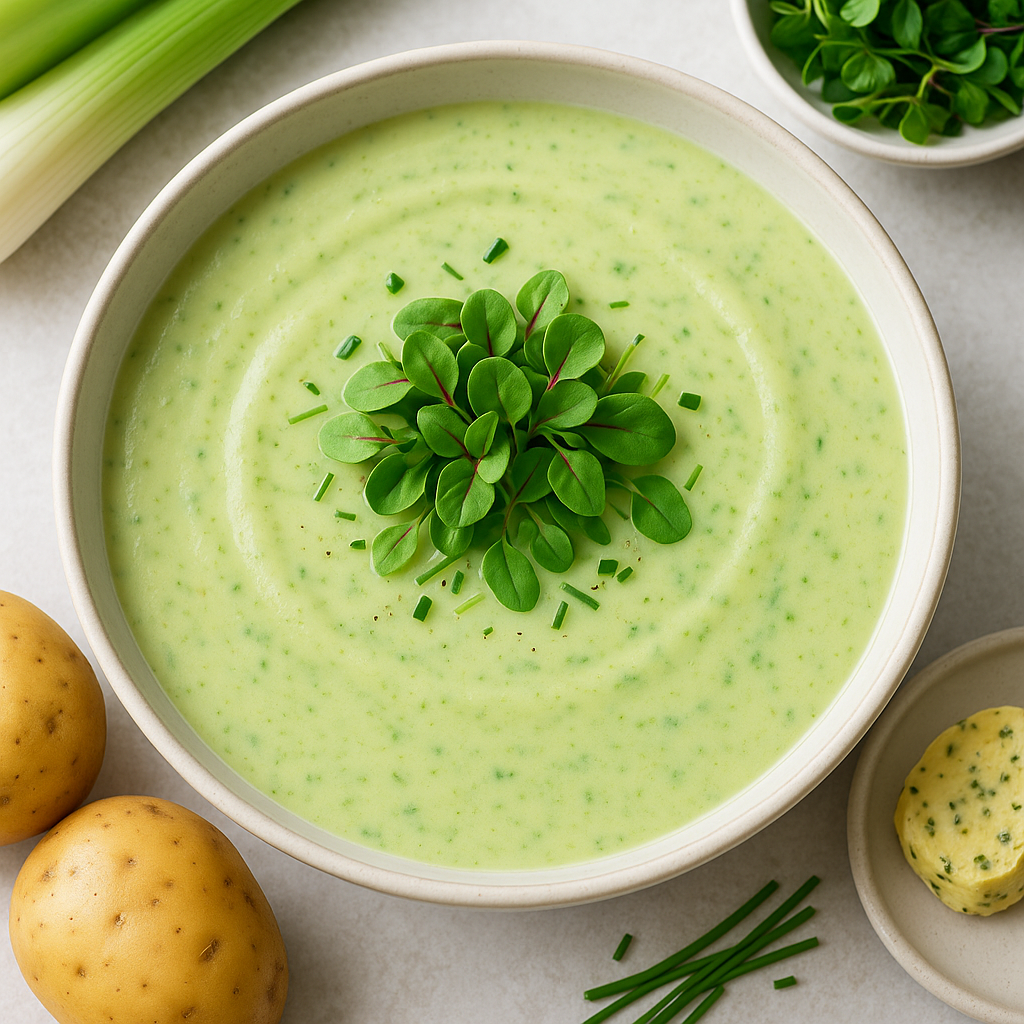
ChefPax Recipes
ChefPax recipe
25 min
Classic cold leek and potato soup blended silky smooth with sorrel microgreens stirred in for their natural lemon-acid tang — no extra lemon needed.
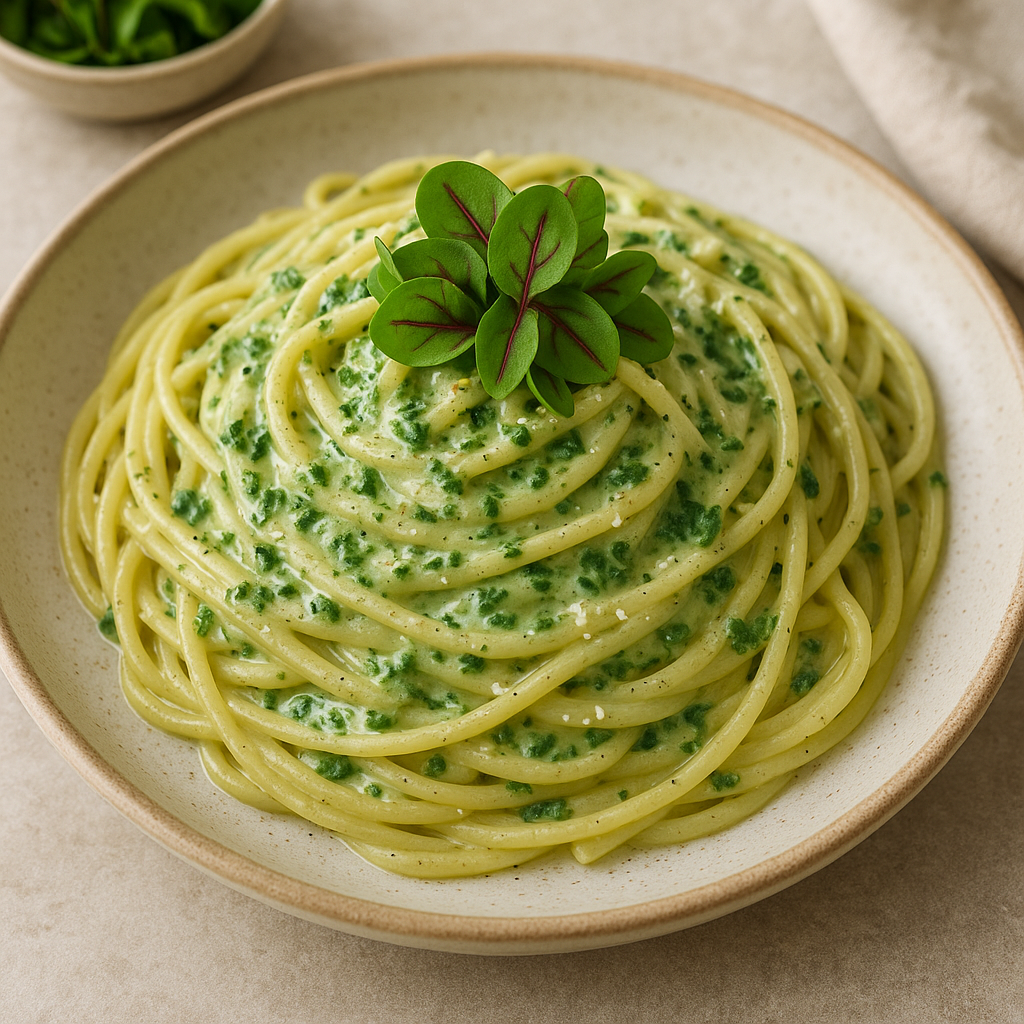
ChefPax Recipes
ChefPax recipe
25 min
This vibrant pasta dish showcases the tangy flavors of sorrel microgreens, combined with a creamy sauce for a sophisticated yet simple meal.
ChefPax Recipes
ChefPax recipe
15 min
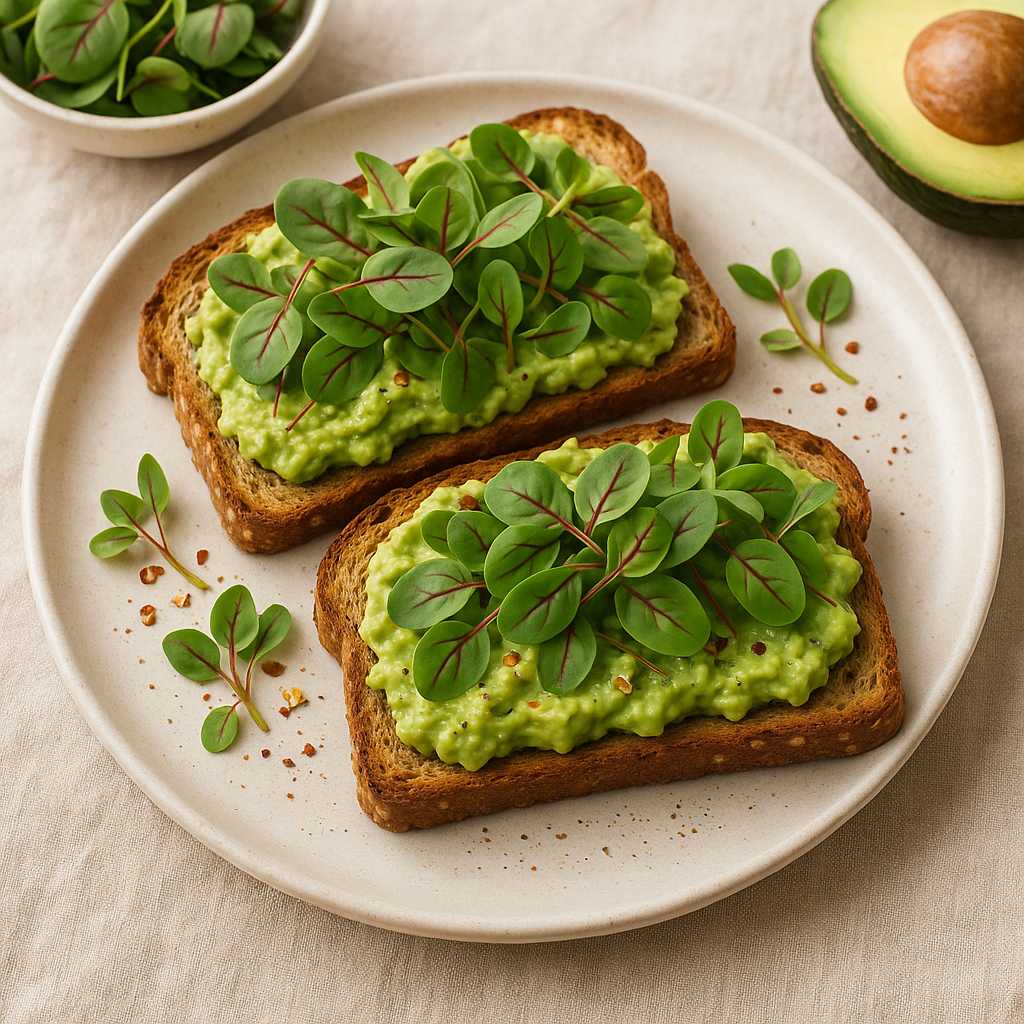
A fresh take on avocado toast, this version incorporates the zesty flavor of sorrel microgreens for a delicious breakfast or snack.
ChefPax Recipes
ChefPax recipe
25 min
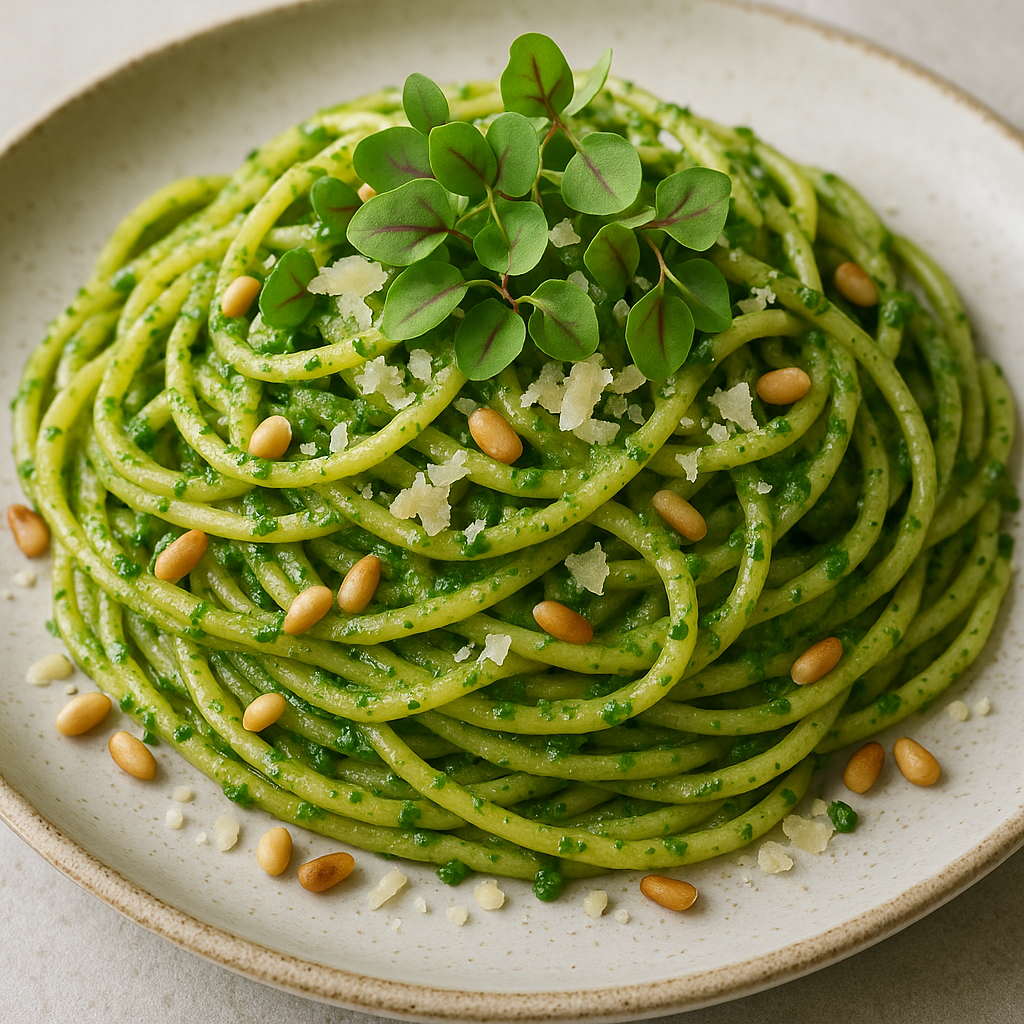
A vibrant twist on classic pesto, this sorrel microgreens pasta dish is both tasty and packed with nutrients.
ChefPax Recipes
ChefPax recipe
15 min
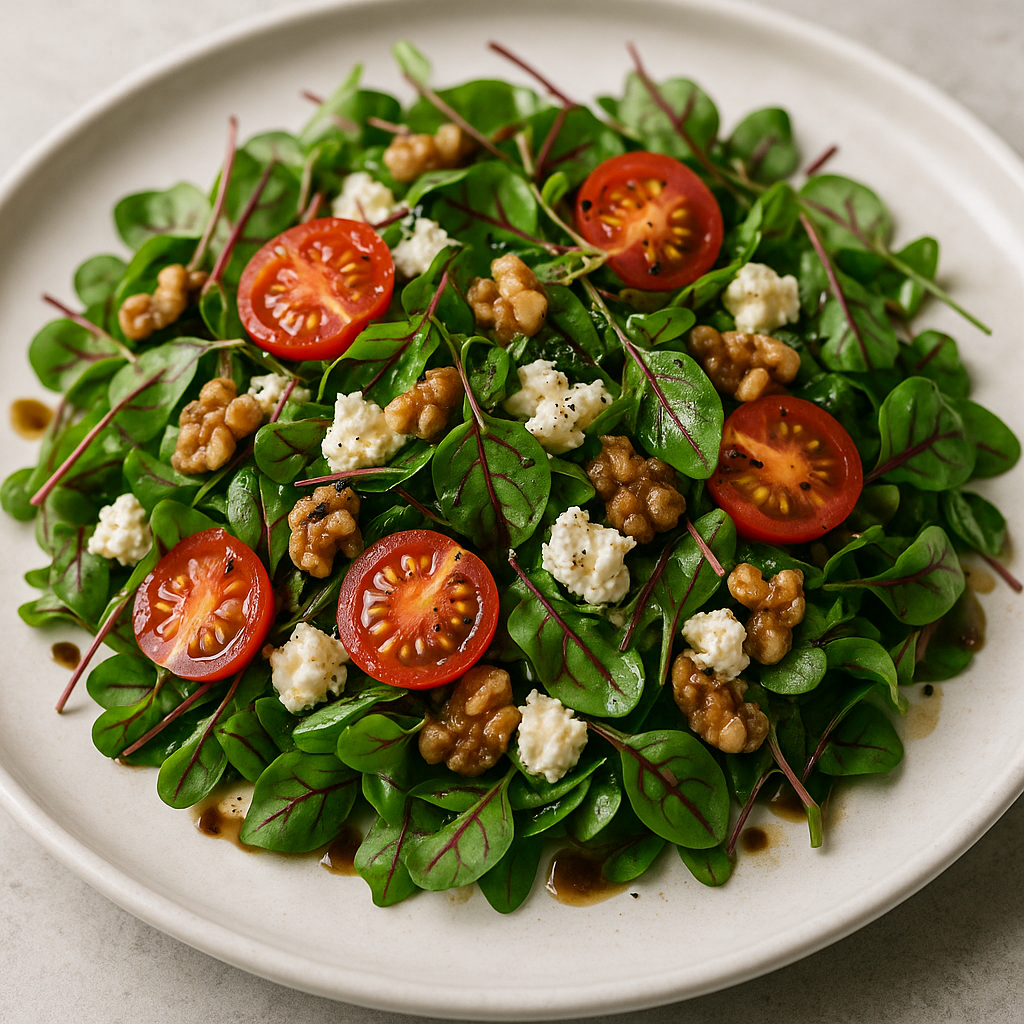
This refreshing salad combines the tartness of sorrel microgreens with creamy goat cheese, perfect for a light lunch or dinner.
ChefPax Recipes
ChefPax recipe
10 min
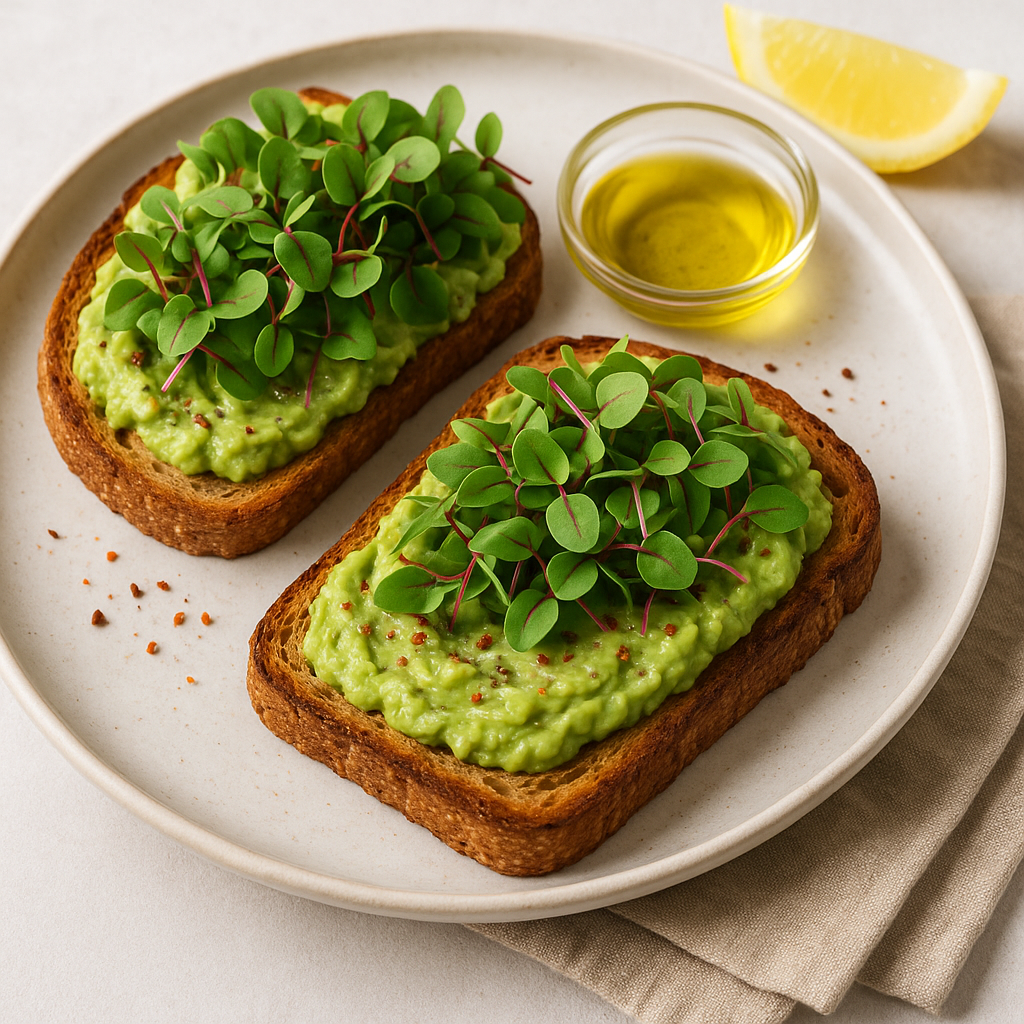
This delightful avocado toast is elevated with a layer of sorrel microgreens, adding a unique sour twist that balances the creaminess of the avocado. A perfect brunch choice!
ChefPax Recipes
ChefPax recipe
25 min
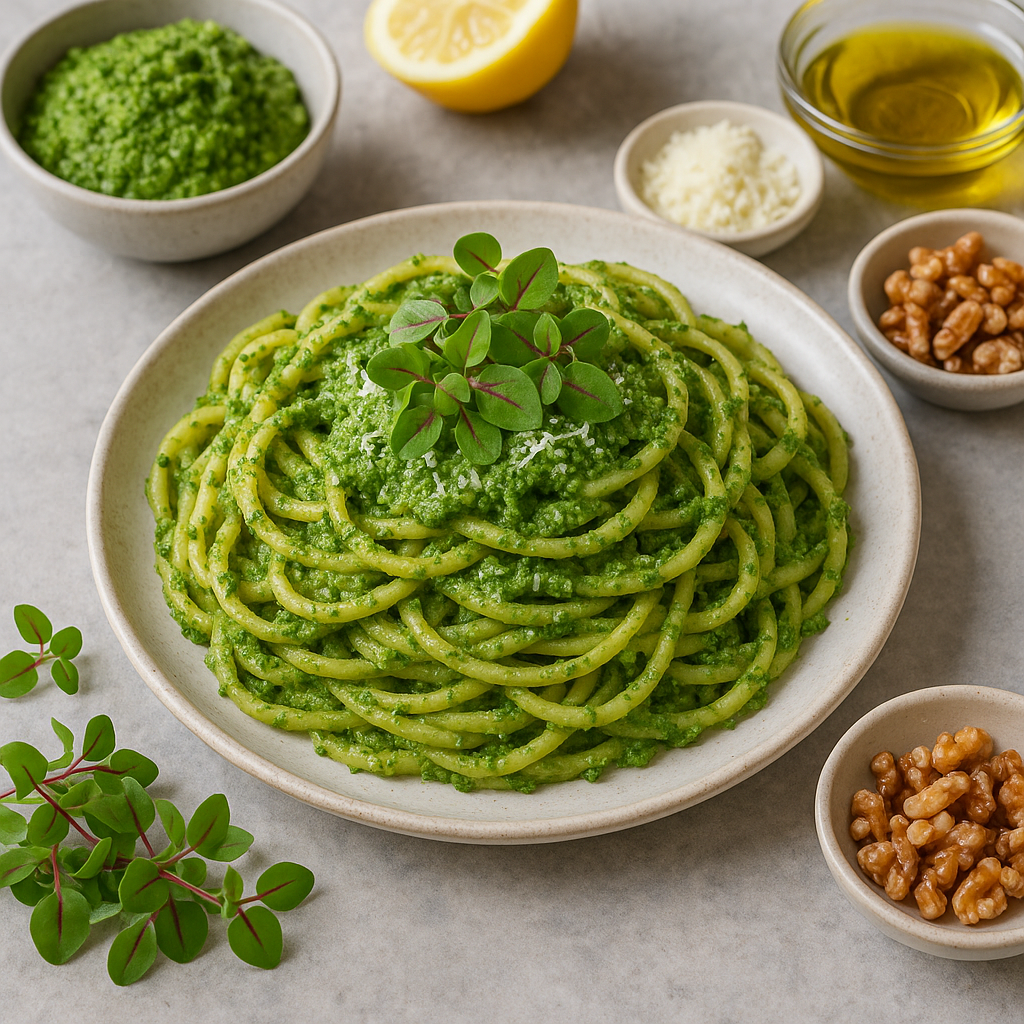
This vibrant sorrel microgreens pesto offers a unique take on traditional pesto, bringing a refreshing twist to your pasta dish. A perfect blend of flavors inspired by contemporary culinary trends.
ChefPax Recipes
ChefPax recipe
20 min
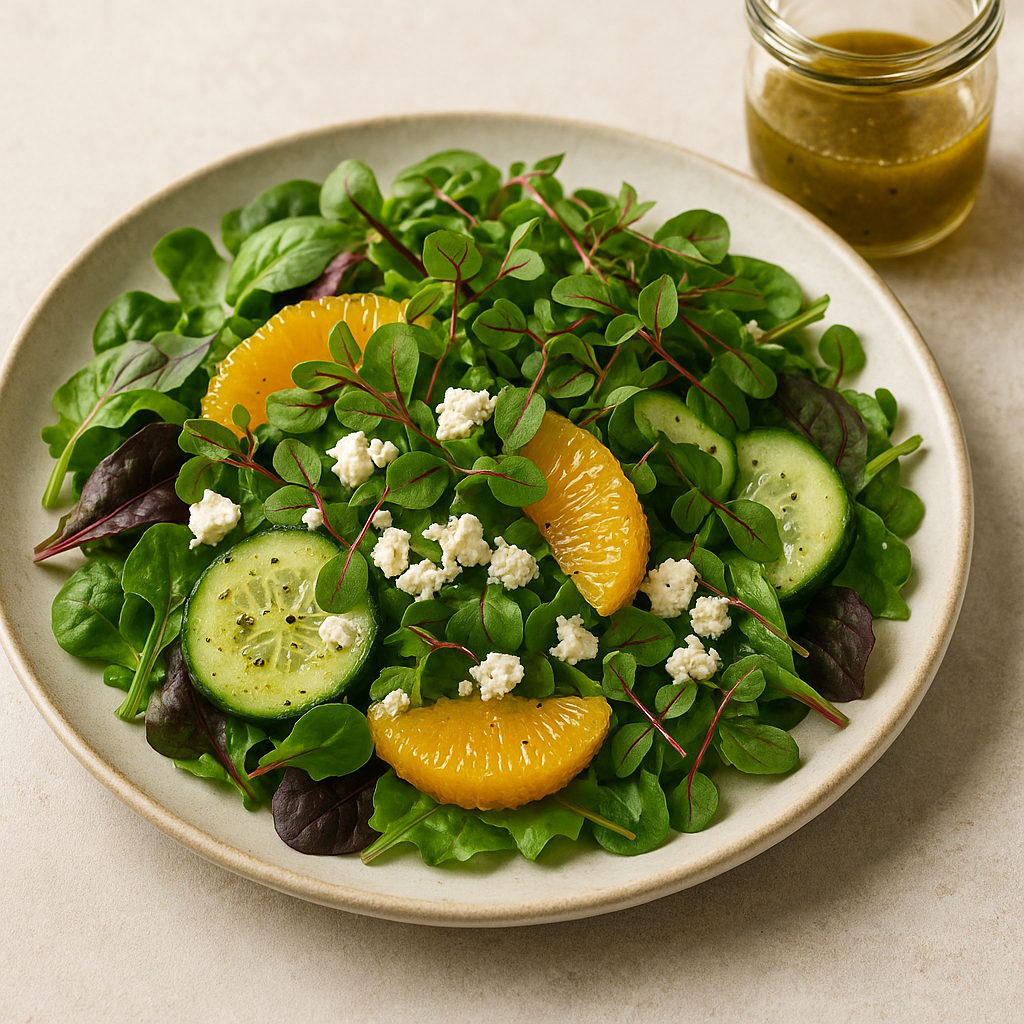
This refreshing salad balances the tartness of sorrel microgreens with a tangy citrus vinaigrette, making it perfect for any meal.
ChefPax Recipes
ChefPax recipe
15 min
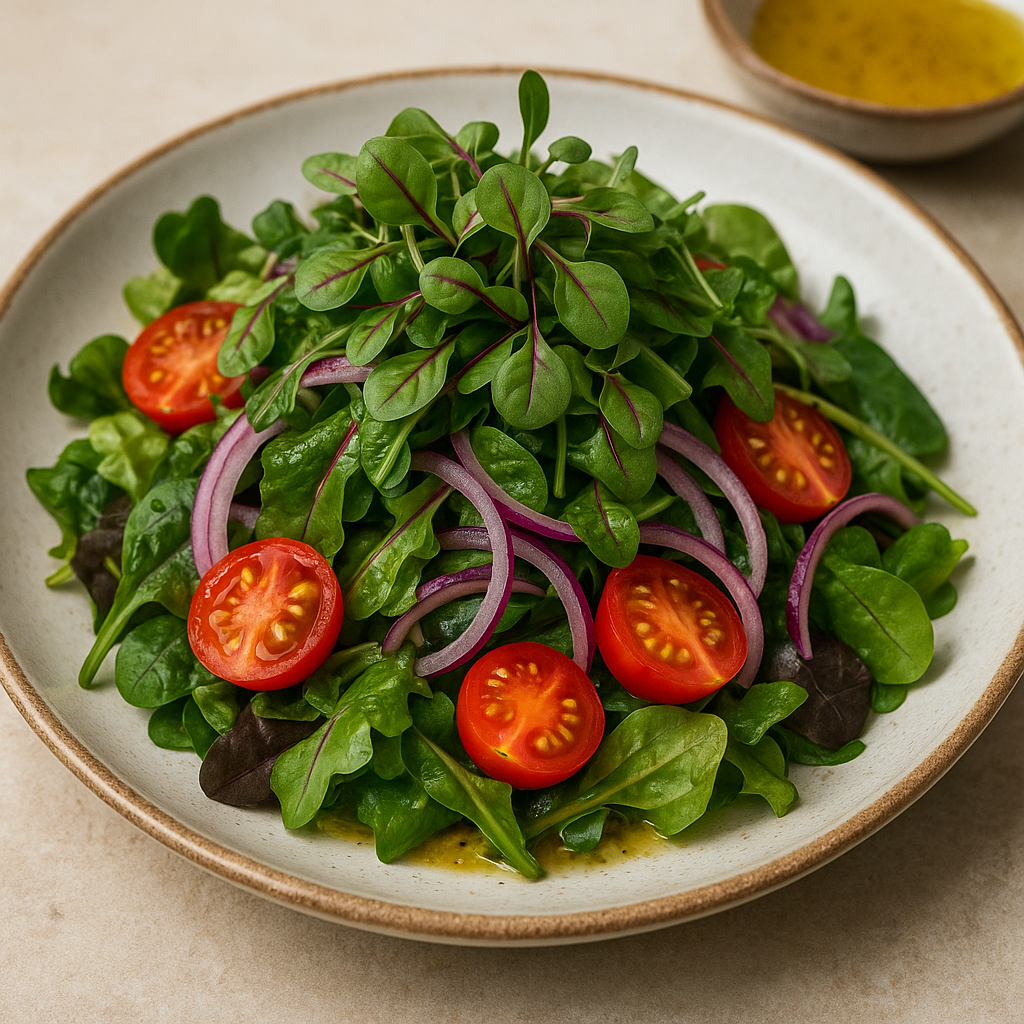
This vibrant salad highlights the tangy flavor of sorrel microgreens, perfectly complemented by a refreshing citrus vinaigrette. Inspired by the fresh ingredients celebrated at Trattoria Lisina.
ChefPax Recipes
ChefPax recipe
20 min
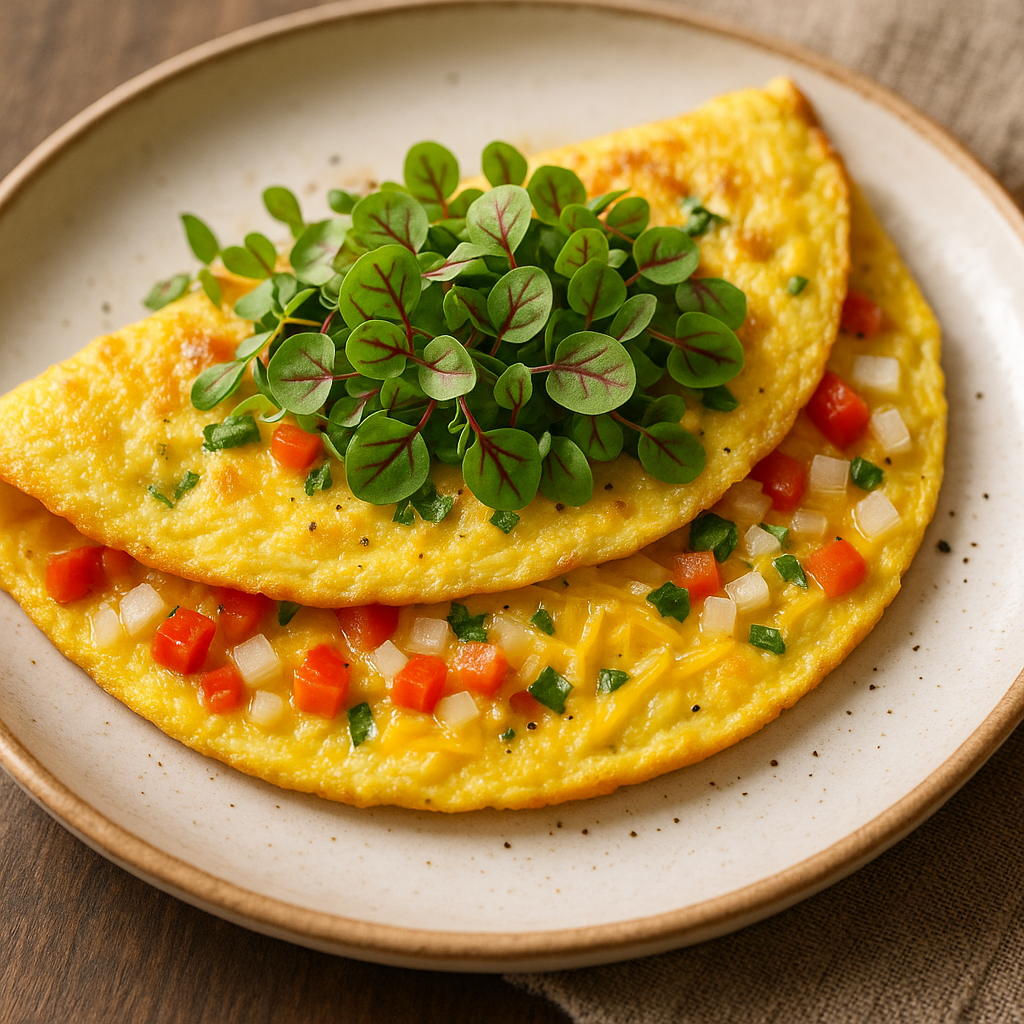
This fluffy omelette celebrates the unique tanginess of sorrel microgreens, making breakfast a delightful experience. A nod to fresh ingredients like those used in Verde's Mexican Parrilla.
ChefPax Recipes
ChefPax recipe
15 min
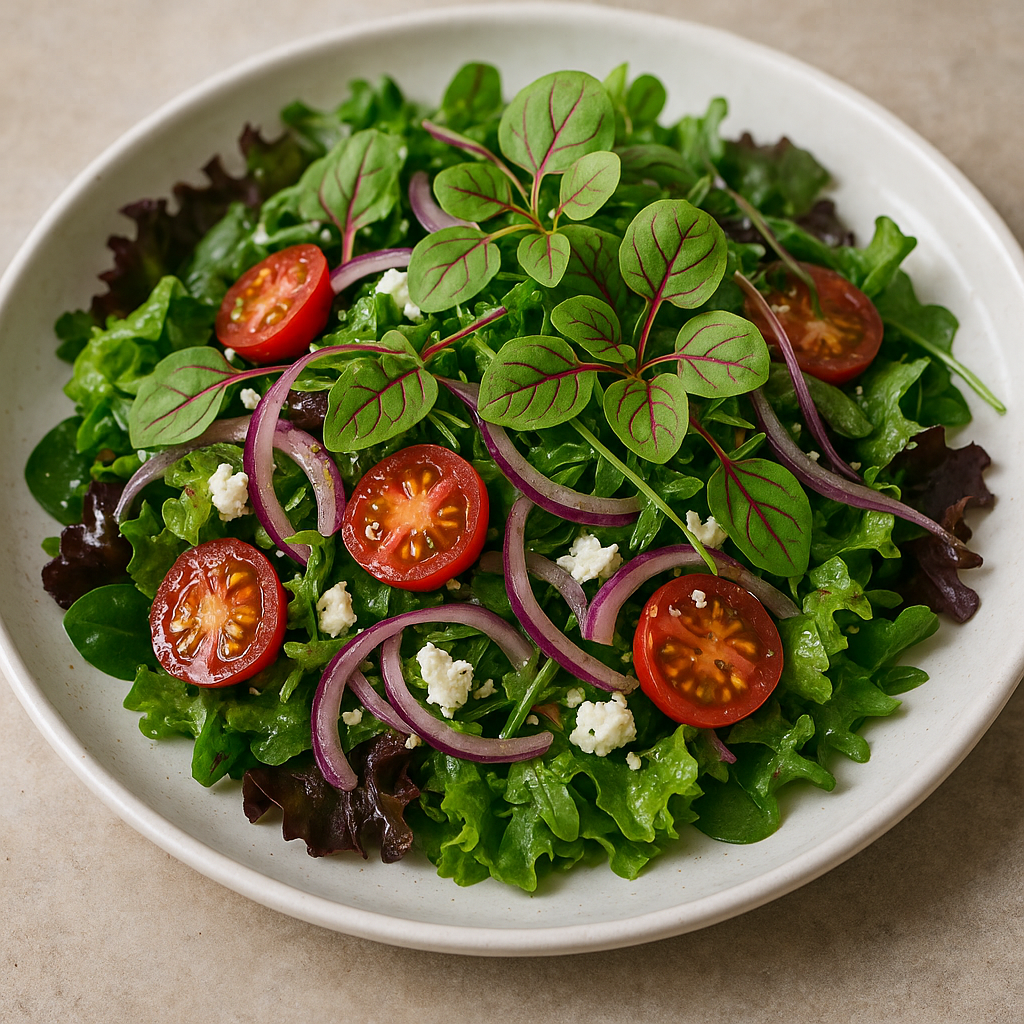
This vibrant salad is a refreshing take on greens, highlighting the tart and lemony flavor of sorrel microgreens. Inspired by the fresh ingredients featured at Trattoria Lisina.
ChefPax Recipes
ChefPax recipe
10 min
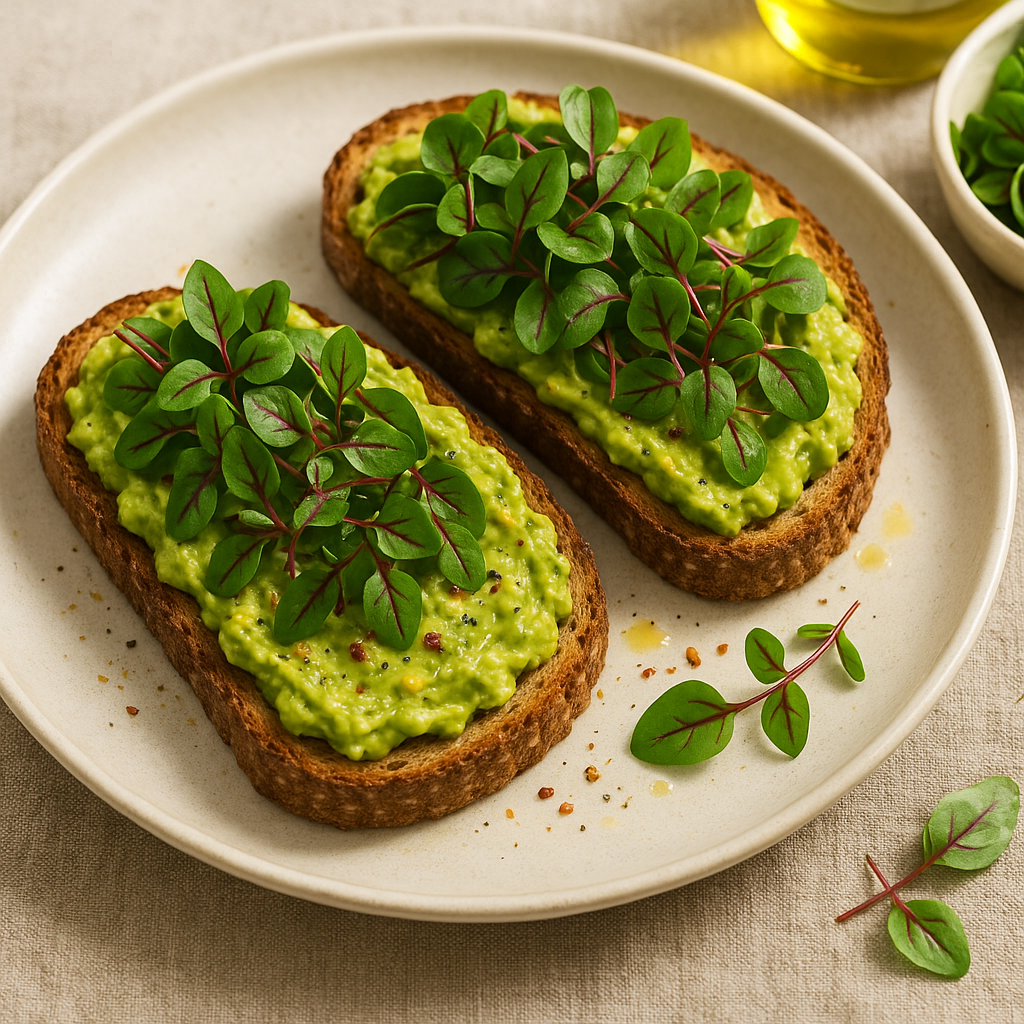
A trendy twist on classic avocado toast, this recipe enhances the creamy texture with the refreshing taste of sorrel microgreens. Inspired by modern culinary trends.
ChefPax Recipes
ChefPax recipe
10 min
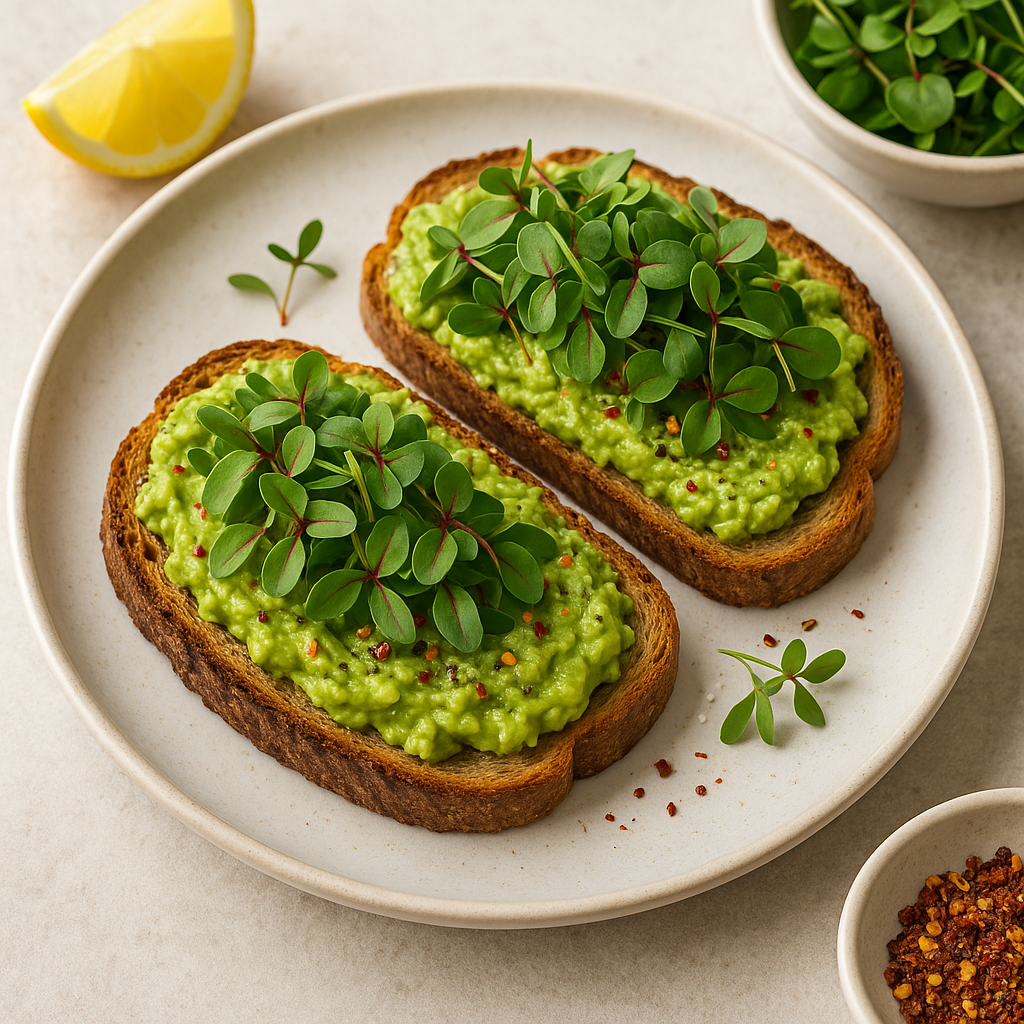
A quick and nutritious breakfast option, this avocado toast gets a zesty kick from fresh sorrel microgreens.
The lemony, tart flavor comes from oxalic acid — a naturally occurring organic acid found in many plants, including spinach, rhubarb, and chard. In sorrel, the oxalic acid concentration is particularly high, which is why it's been used as a natural acid ingredient in cooking for centuries. In moderate amounts in a balanced diet, dietary oxalate from sorrel microgreens is safe for most people.
As a flavor accent, yes — sorrel microgreens add a similar bright acidity to lemon juice. They work particularly well in salads where you want an acidic element with visual appeal, and in sauce preparations. They won't provide the volume of liquid that lemon juice does, so they're better as a flavor complement than a direct volume-for-volume replacement.
Try sorrel microgreens on simply prepared fish, in a French-style dressing with shallots and Dijon, or steeped briefly in hot water as an herbal tea. Our pea shoot recipes provide a good framework for light, fresh-flavored microgreen applications that sorrel adapts well to.
Microgreens are young edible plants harvested shortly after germination. Published research reports that nutrient and phytochemical concentrations vary substantially by species, seed source, growing conditions, harvest stage, and storage, so crop-specific health claims should be interpreted cautiously.
• Microgreens have been studied as sources of vitamins, carotenoids, minerals, and other bioactive plant compounds.
moderate evidence• Nutrient composition cannot be assumed to be identical across microgreen varieties or production systems.
strong evidence• ChefPax presents this crop primarily for culinary flavor, texture, freshness, and menu variety rather than as a treatment or medical product.
strong evidence1. Assessment of Vitamin and Carotenoid Concentrations of Emerging Food Products: Edible Microgreens — Journal of Agricultural and Food Chemistry, 2012
2. Microgreens: Production, Shelf Life, and Bioactive Components — Critical Reviews in Food Science and Nutrition, 2017
3. Yield performance, mineral profile, and nitrate content in a selection of seventeen microgreen species — Frontiers in Plant Science, 2023
4. Specialty Greens Pack a Nutritional Punch — USDA Agricultural Research Service, 2014
Pick a plating goal and ChefPax will shape a tasting set around flavor, texture, and service use.
I'm plating seafood
Aromatic, citrus-friendly herbs for crudo, oysters, salmon, white fish, and raw bar plates.
Bronze Fennel
anise aroma and feathery heightCurled Chervil
soft French-herb liftPea Shoots
sweet height and clean stemsShiso
Japanese aromatic contrastWhat are you making? Get a reviewed pairing grounded in what ChefPax can actually supply.
Browse ChefPax by the way chefs actually choose garnish: dish, service context, and flavor job.
Best microgreens for seafood
The best microgreens for seafood are bronze fennel, curled chervil, pea shoots, and shiso because they add aroma, height, and freshness without overwhelming delicate fish.
Best microgreens for steak
The best microgreens for steak are Chinese Mahogany, radish, wasabi mustard, and nasturtium because they cut richness with savory depth, pepper, or mustard-like heat.
Best garnish crops for cocktails
The best garnish crops for cocktails are bronze fennel, lemon basil, nasturtium, and shiso because they bring aroma and visual precision to the rim or glass.
Best mild microgreens for sandwiches
The best mild sandwich greens are alfalfa sprouts, broccoli microgreens, sunflower, and pea shoots because they add texture without dominating the filling.
Best specialty crops for chefs
The best ChefPax specialty crops for chefs are Chinese Mahogany, bronze fennel, curled chervil, shiso, nasturtium, and red amaranth.
Best herbs for French plating
The best microgreen herbs for French plating are curled chervil, bronze fennel, parsley, and sorrel because they bring restrained aroma and clean finishing flavor.
Best crops for spicy dishes
The best crops for spicy dishes are Rambo radish, wasabi mustard, nasturtium, and cilantro because they add heat, brightness, or fresh herbal contrast.
Looking for something else?
All ChefPax recipes →