Helianthus annuus
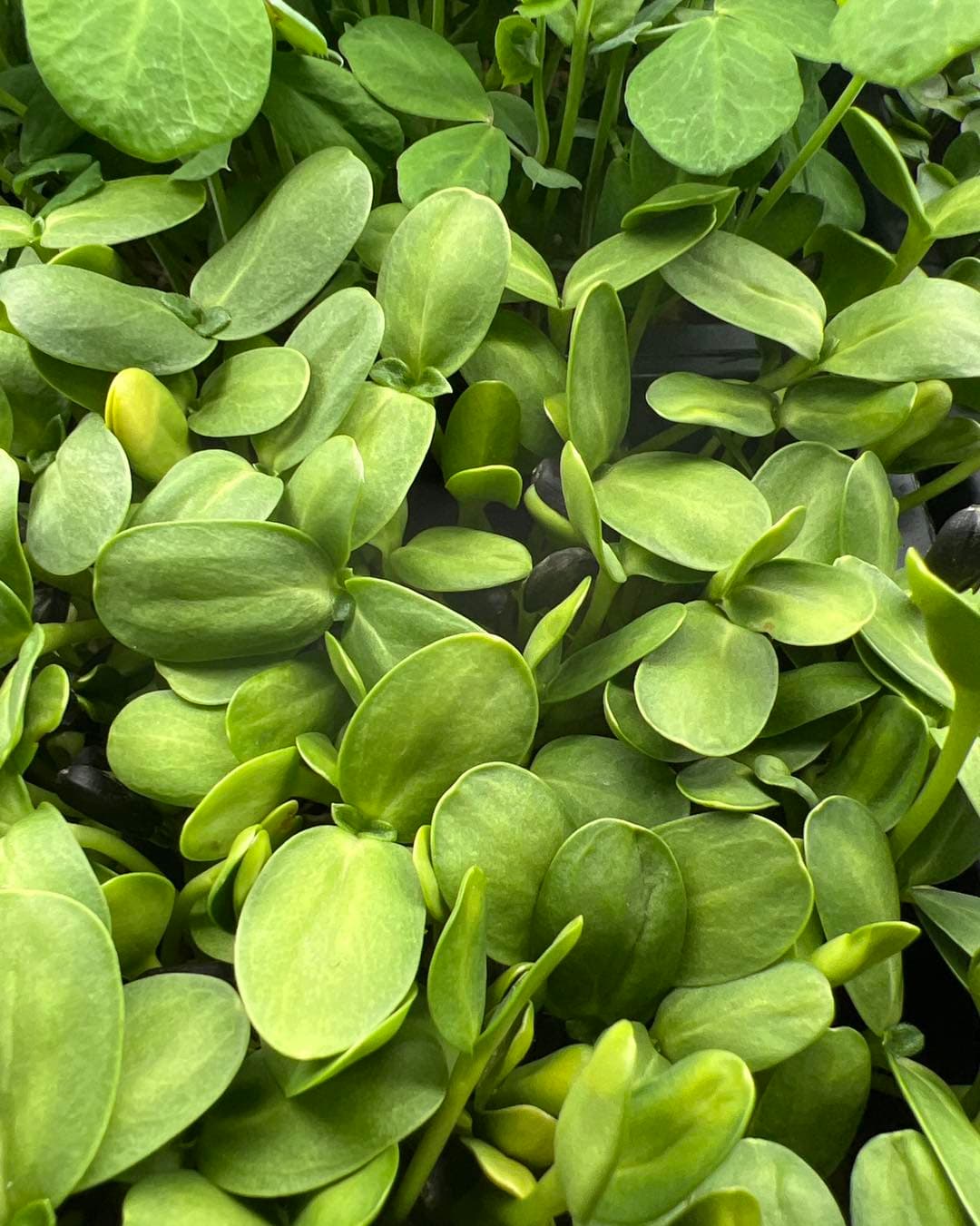
Sunflower microgreens are the gateway green — the one that converts skeptics into daily snippers. Grown from black oil sunflower seeds (Helianthus annuus), these thick-stemmed, cotyledon-stage greens deliver a satisfying crunch that holds up in warm dishes, grain bowls, and avocado toast alike.
At ChefPax, sunflower is our flagship crop. Each 10×20 live tray is seeded at 10–12 oz and harvested in 8–10 days when the cotyledons have fully opened and the flavor is at its peak — nutty, crisp, and lightly sweet. We deliver the tray to you with the roots still alive, so you snip what you need and the rest stays farm-fresh for days.
In Austin's food scene, sunflower microgreens have become a go-to for home cooks who want a nutrient-dense ingredient that doesn't require a culinary degree to use well. They're equally at home on a Friday-night grain bowl as they are on a Sunday brunch plate.
Austin chefs use sunflower microgreens for volume-forward plates and weekly salad programs — available through ChefPax's chef supply program with weekly live-tray delivery. Chef Supply Hub →
Sunflower Microgreens are a ChefPax microgreen crop grown near Austin for avocado toast, chef plating, and home cooking. They are selected for concentrated flavor, texture, and cut-to-order freshness.
Sunflower Microgreens are part of the ChefPax crop library for chefs, restaurants, and home cooks in Austin, Texas. Sunflower microgreens taste nutty and crisp with a lightly sweet finish — similar to sunflower seeds but fresher and more delicate. The thick, crunchy stem adds real texture that wilts far less than baby spinach or arugula when placed on warm food. This makes sunflower the ideal microgreen for avocado toast, where you want a green that holds its shape. In the kitchen, they work especially well with Avocado toast, Grain bowls with quinoa, farro, or rice, Sandwich and wrap garnish, Green salads as a base or accent. ChefPax focuses on crop-specific handling, fresh delivery, and practical culinary use so buyers can choose the right tray by flavor, texture, and service context.
Move from recipe inspiration to ordering: choose a smaller chef tray for trials or a 10x20 format for service volume.
Sunflower provide a more concentrated crop-specific flavor and a smaller finishing format than standard salad greens.
Sunflower microgreens taste nutty and crisp with a lightly sweet finish — similar to sunflower seeds but fresher and more delicate. The thick, crunchy stem adds real texture that wilts far less than baby spinach or arugula when placed on warm food. This makes sunflower the ideal microgreen for avocado toast, where you want a green that holds its shape.
Sunflower microgreens are dense in vitamin E, B vitamins (including folate), and plant-based protein. They contain all nine essential amino acids, making them one of the few greens that contribute meaningfully to protein intake. They're also a good source of zinc and selenium — minerals that are often lacking in plant-heavy diets.
For a deeper look at vitamins and phytonutrients studied across varieties, see the microgreens nutrition guide.
Use the flavor wheel as a chef-facing shortcut from taste to products, recipes, and pairings.
Anise / licorice
Flavor pathSweet aromatic herbs for seafood, cocktails, eggs, and cream sauces.
Your ChefPax sunflower tray arrives with living roots still active. Keep it in a bright spot (not direct harsh sun) at room temperature. Snip what you need with clean scissors — cut about an inch above the mat. The remaining greens stay alive and continue to be ready for 5–7 more days after delivery. No bags, no wilting, no waste.
Full storage tips — container types, fridge placement, and shelf life by crop — are in the microgreens storage guide.
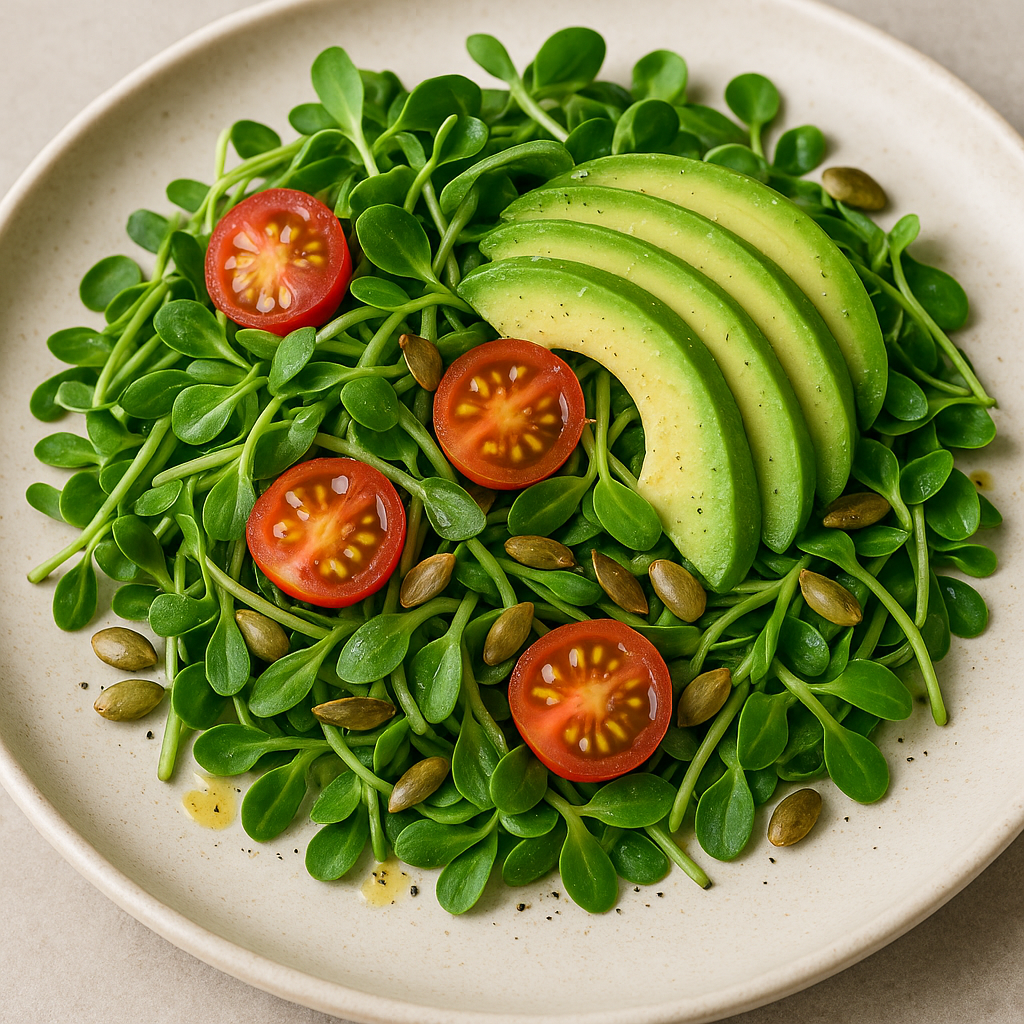
ChefPax Recipes
ChefPax recipe
10 min
A crisp, nutty, protein-rich salad built with fresh sunflower microgreens — used by Austin chefs and perfect for quick home meals or elevated plating.
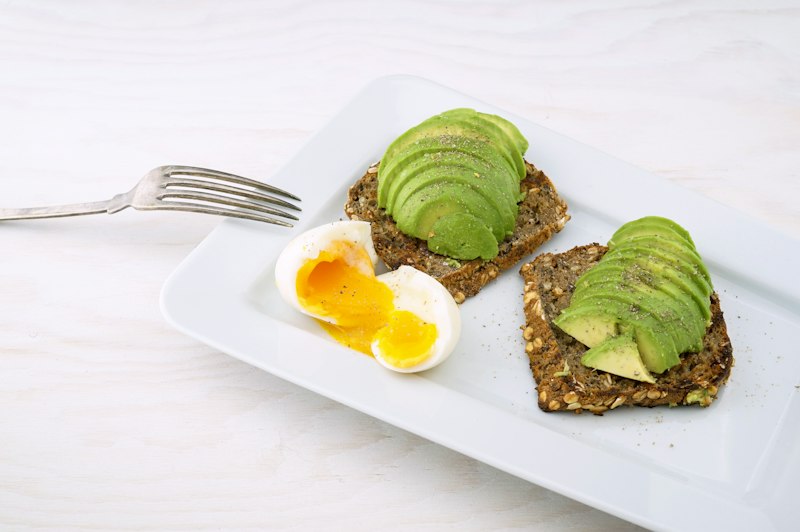
ChefPax Recipes
ChefPax recipe
8 min
Creamy avocado topped with nutty sunflower microgreens for the perfect breakfast.
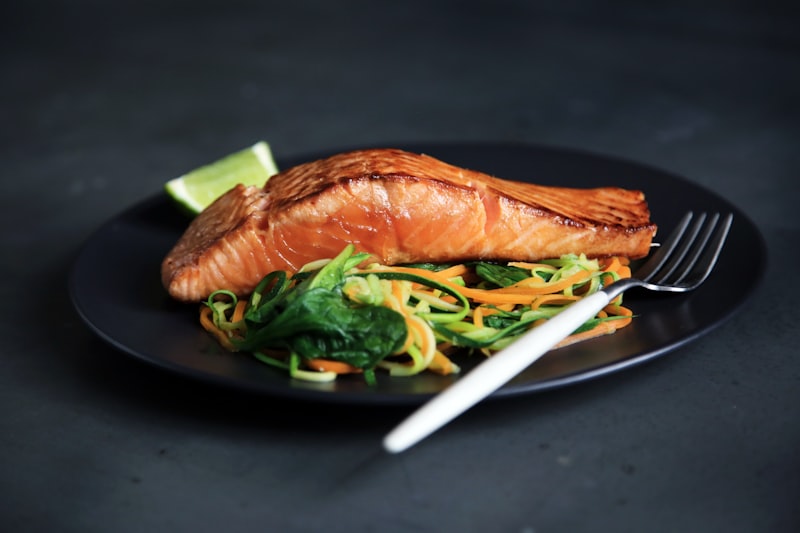
ChefPax Recipes
ChefPax recipe
15 min
Crispy-skinned salmon with nutty sunflower microgreens and a bright lemon-caper sauce.
ChefPax Recipes
ChefPax recipe
20 min
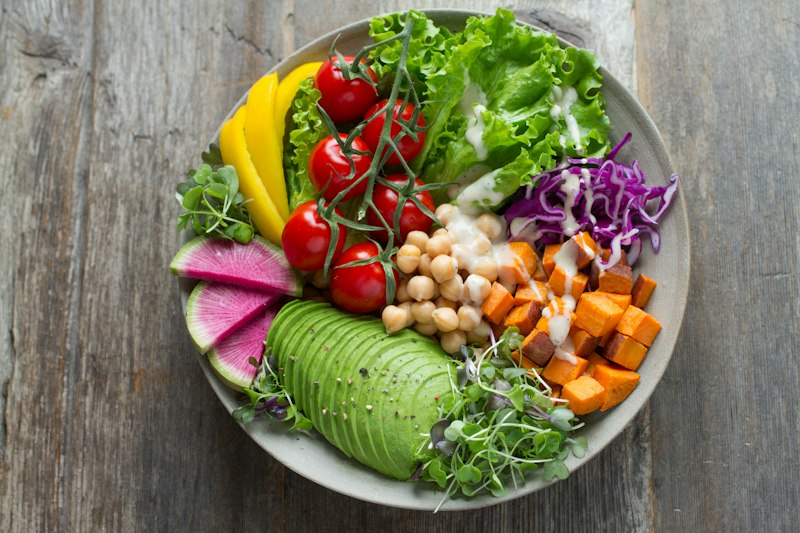
Brown rice base with roasted sweet potato, chickpeas, and a crown of nutty sunflower microgreens in a creamy miso-tahini dressing.
ChefPax Recipes
ChefPax recipe
10 min
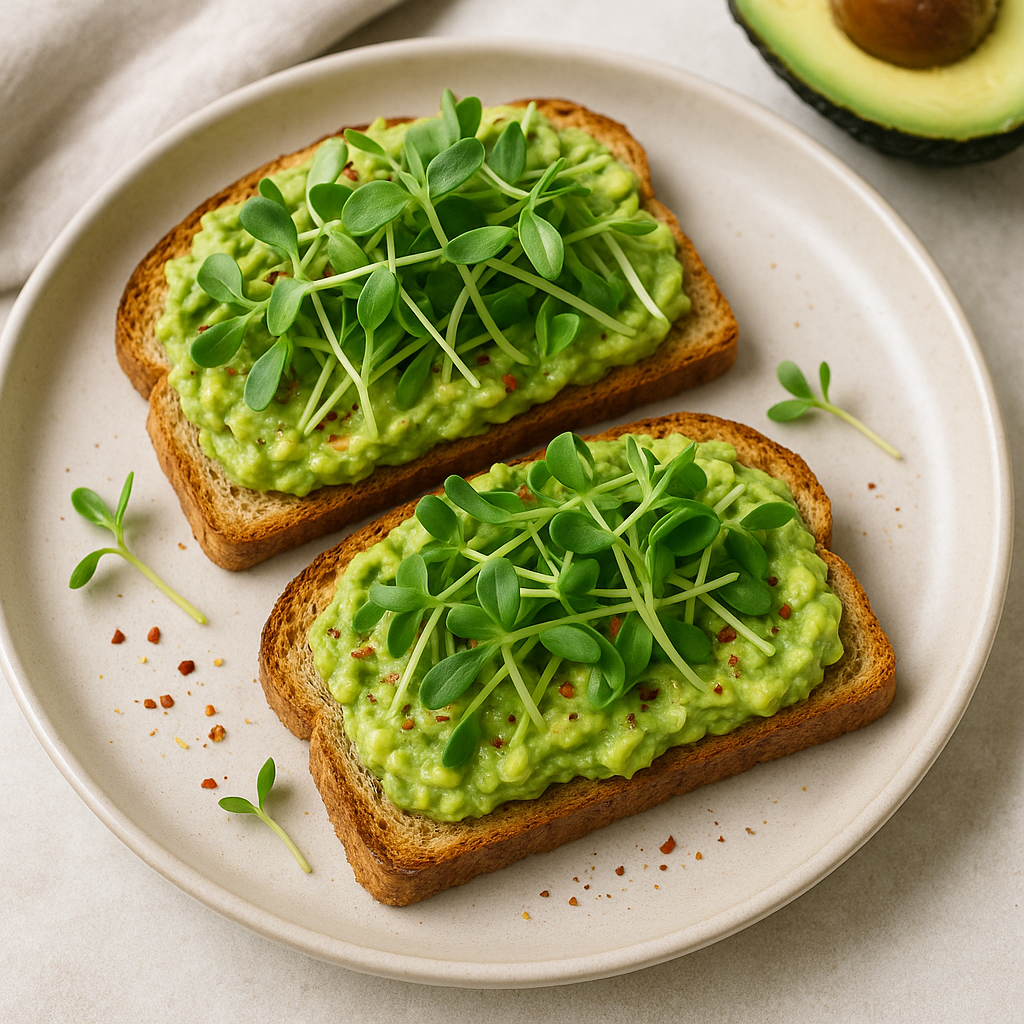
A creamy and nutrient-packed avocado toast topped with crunchy sunflower microgreens for a delightful twist on a classic breakfast.
ChefPax Recipes
ChefPax recipe
20 min
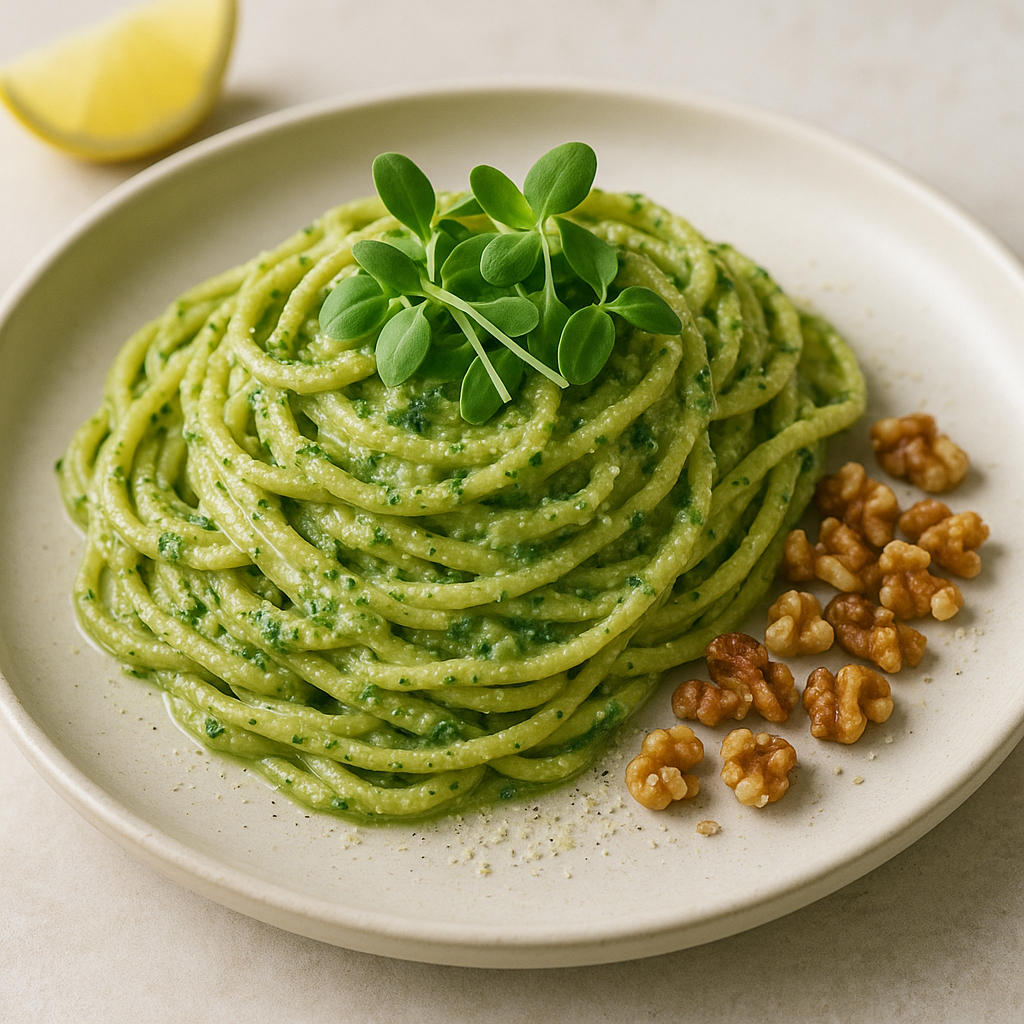
This delicious pasta dish features a creamy sunflower microgreen pesto that’s nutrient-packed and bursting with flavor, perfect for a quick weeknight meal.
ChefPax Recipes
ChefPax recipe
15 min
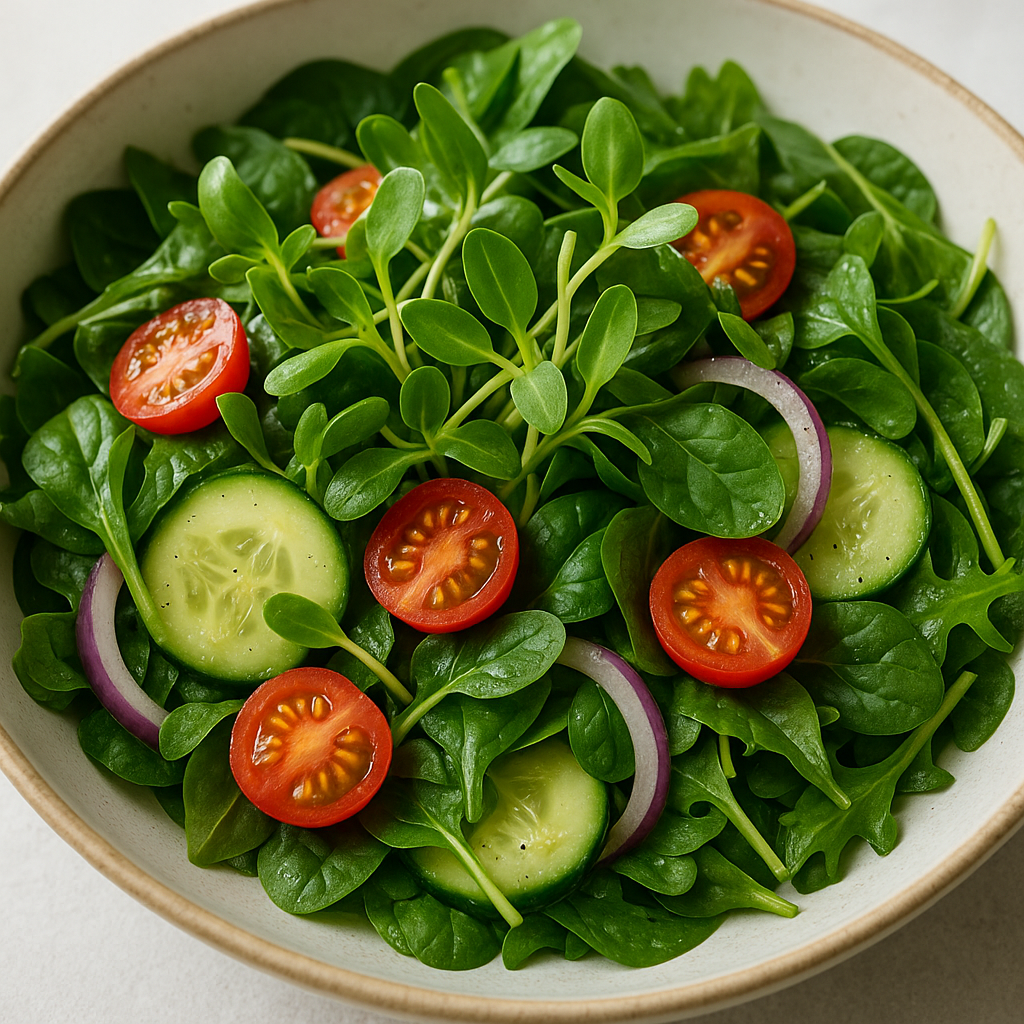
A refreshing salad bursting with vibrant flavors and nutrients, featuring sunflower microgreens and a zesty citrus dressing.
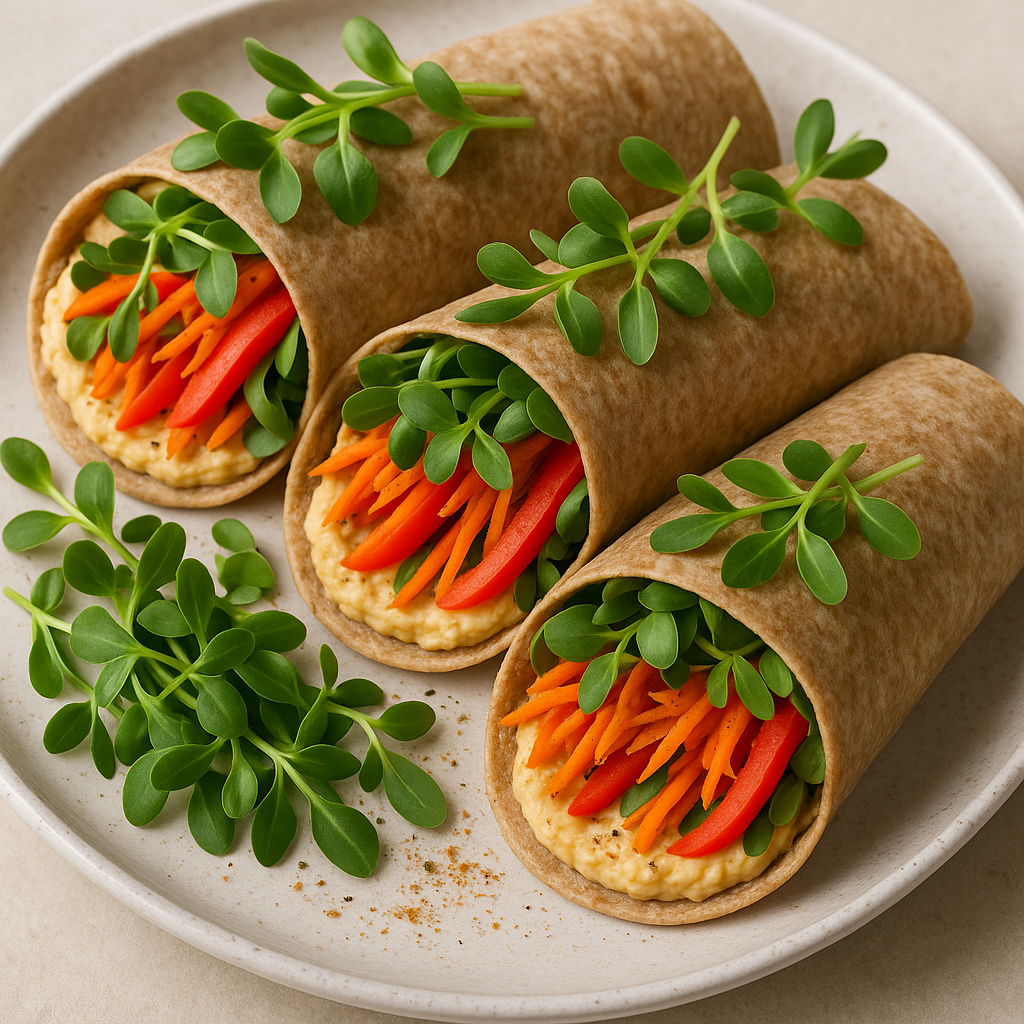
ChefPax Recipes
ChefPax recipe
15 min
Delicious and satisfying wraps filled with creamy hummus and fresh sunflower microgreens, perfect for a quick lunch or snack.
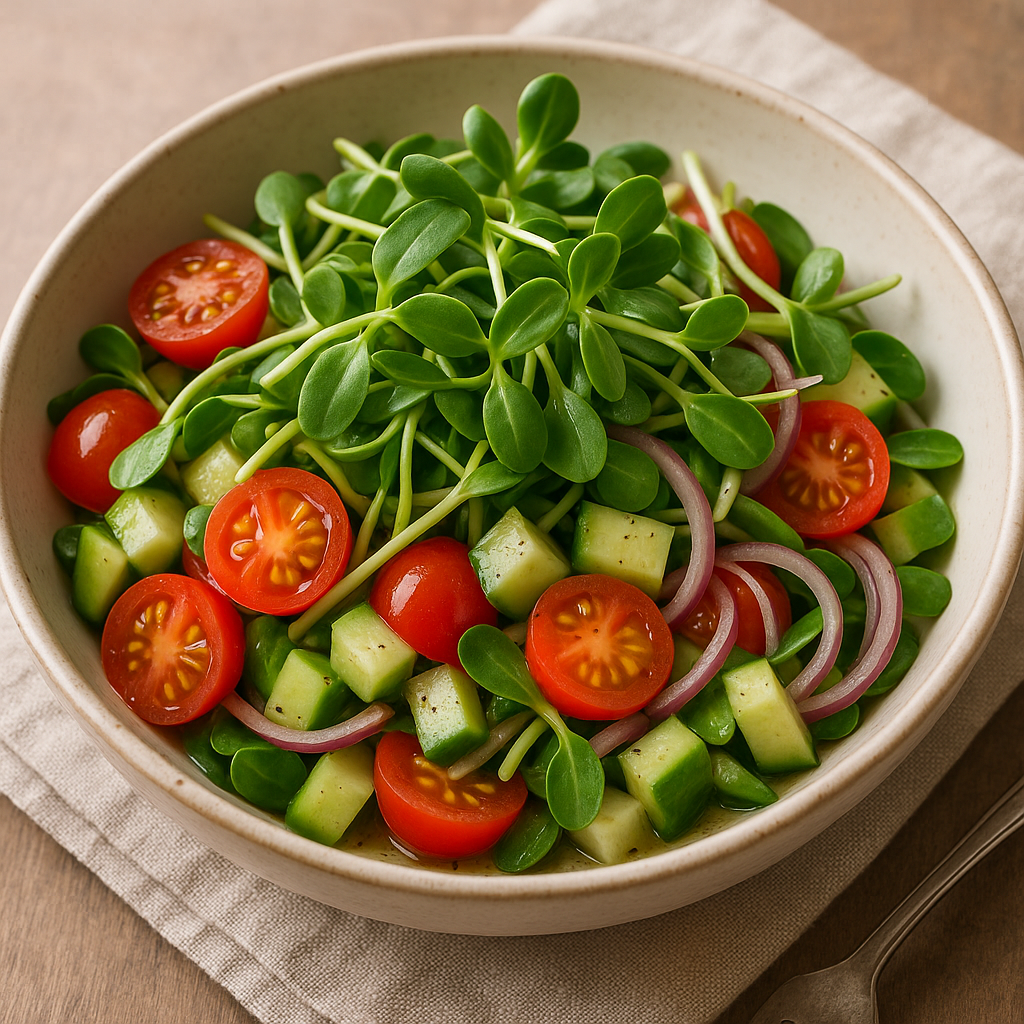
ChefPax Recipes
ChefPax recipe
15 min
A refreshing salad bursting with flavors, featuring crunchy sunflower microgreens and a zesty citrus dressing, perfect for any meal.
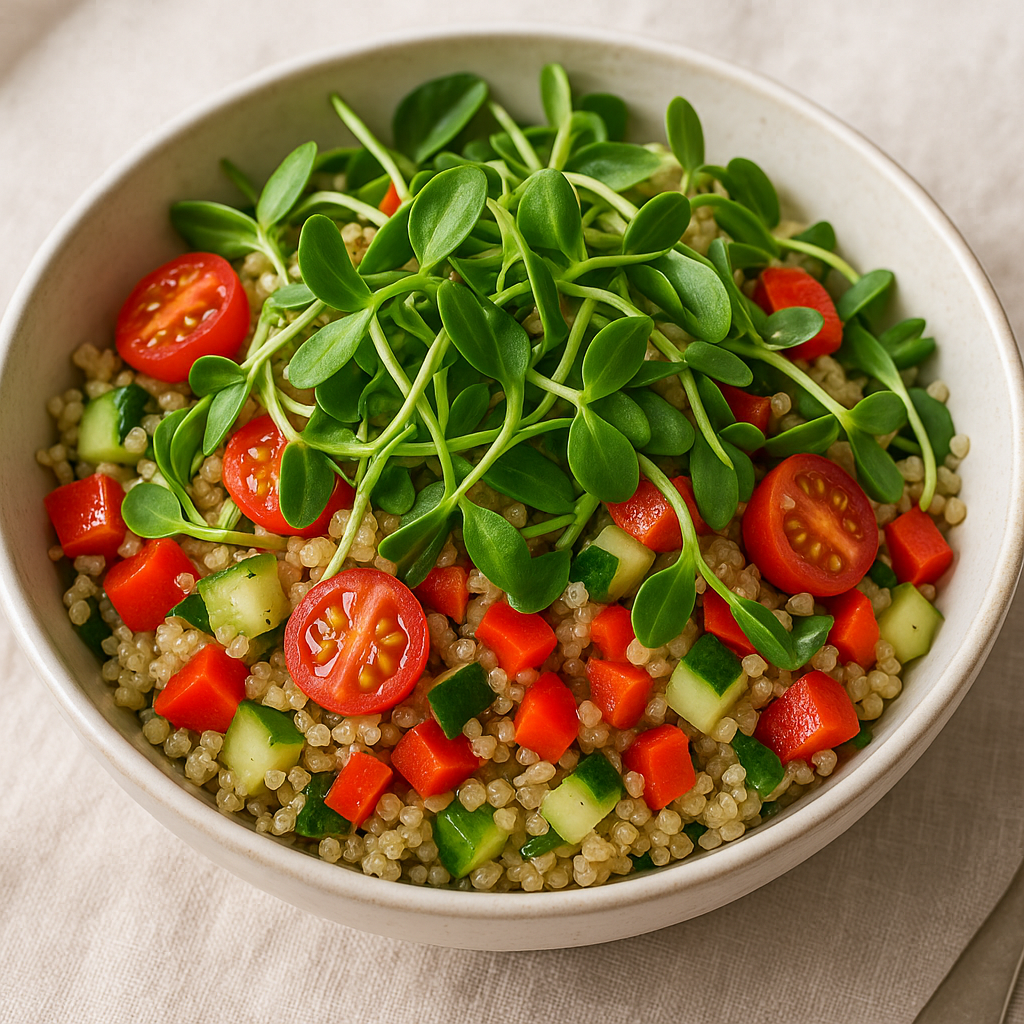
ChefPax Recipes
ChefPax recipe
25 min
This hearty salad combines protein-rich quinoa with sunflower microgreens, crunchy vegetables, and a zesty dressing, making it perfect for lunch or dinner.
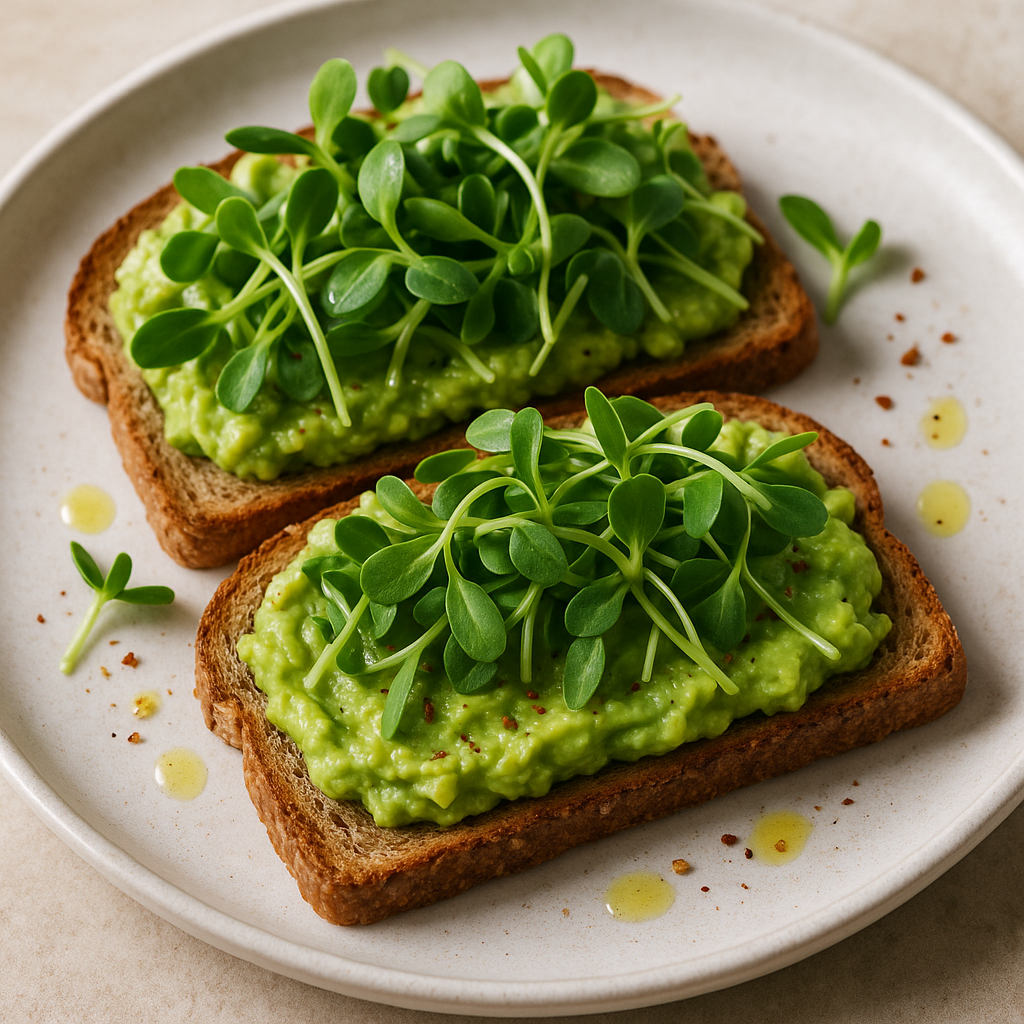
ChefPax Recipes
ChefPax recipe
10 min
This vibrant avocado toast is topped with nutty sunflower microgreens, adding a fresh crunch and a boost of nutrients.
ChefPax Recipes
ChefPax recipe
15 min
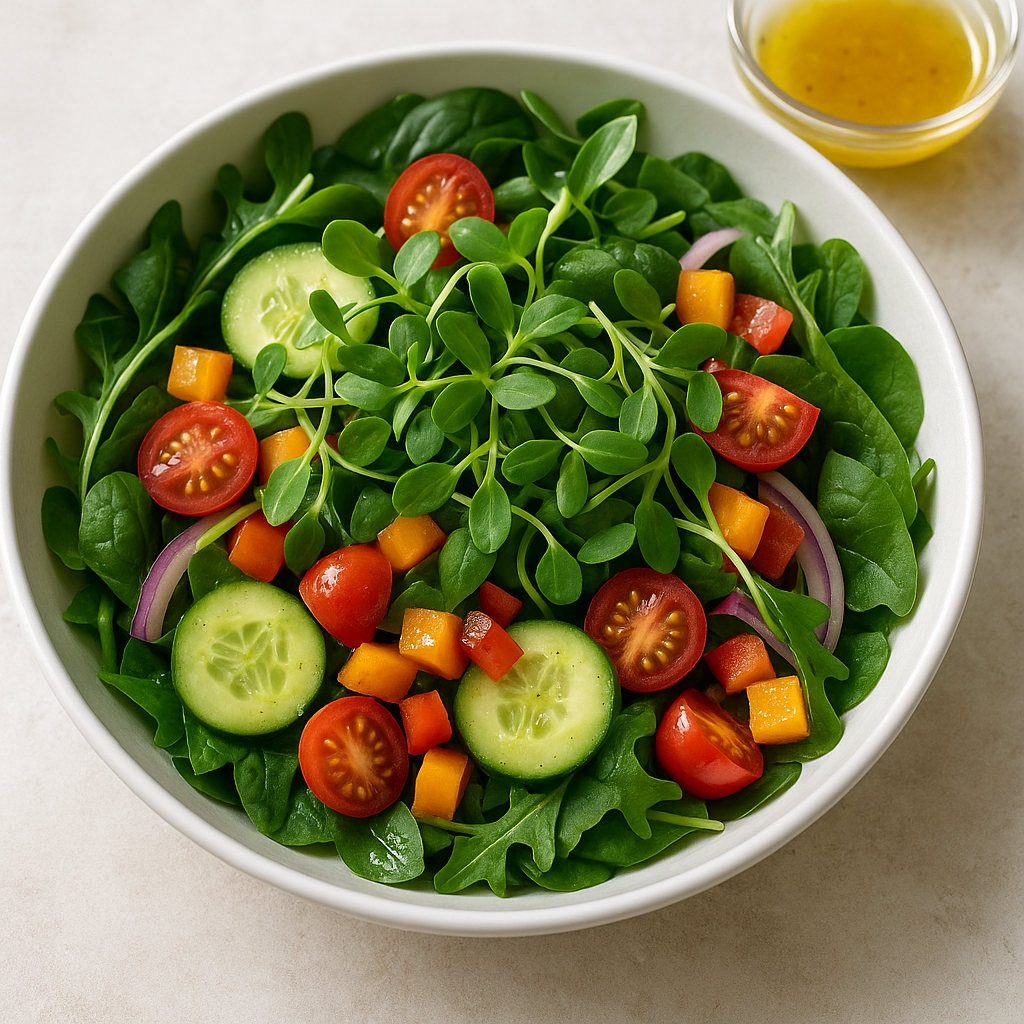
This refreshing salad features a colorful array of vegetables and a zesty citrus vinaigrette, highlighting the unique flavor of sunflower microgreens.
ChefPax Recipes
ChefPax recipe
25 min
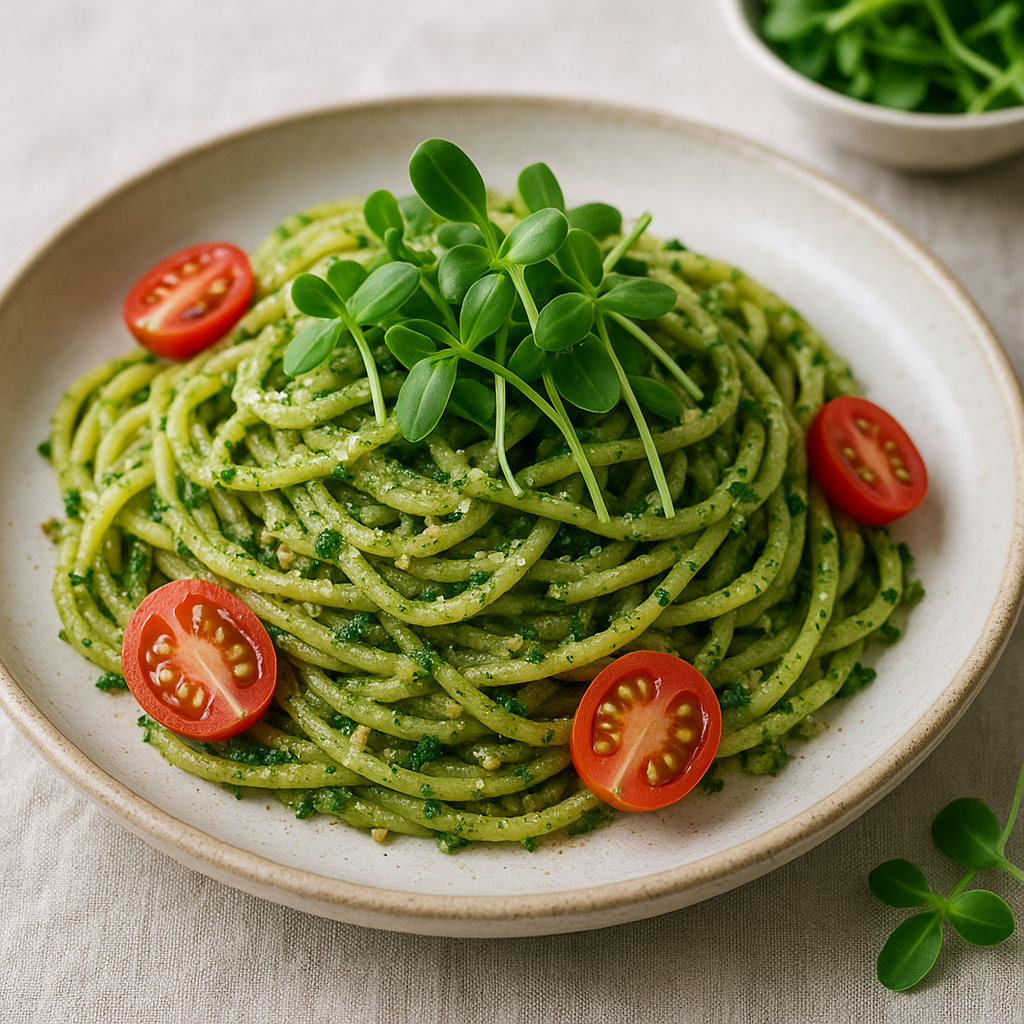
A delightful pasta dish that blends the nutty flavor of sunflower microgreens into a fresh pesto, offering a unique take on a classic favorite.
ChefPax Recipes
ChefPax recipe
20 min
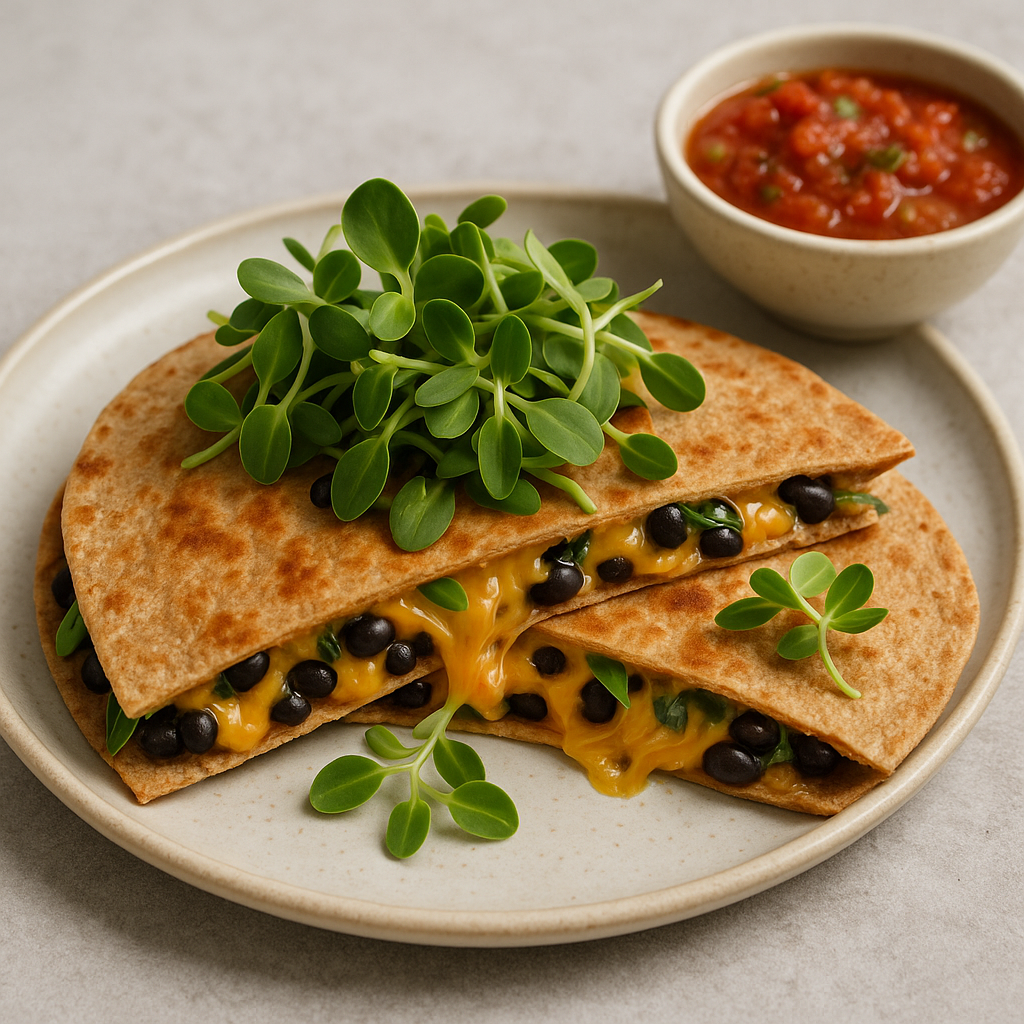
This quick quesadilla is loaded with gooey cheese and sunflower microgreens, making it a tasty and nutritious meal perfect for any time of day.
A live ChefPax sunflower tray can last up to 3 weeks when kept in indirect light, watered lightly every 1–2 days, and held at room temperature (65–75°F). Snip what you need and the roots keep the rest growing — no refrigerator required.
Yes — sunflower microgreens are commonly eaten raw and are a popular garnish for that reason. Just rinse the snipped greens briefly under cool water before using them.
ChefPax delivers live trays, not pre-cut bags. Every tray is seeded in Manor, TX and arrives within 0–48 hours of being harvest-ready. You snip as needed — which means you're never eating greens that sat in a bag for a week.
Sunflower microgreens are often chosen for their combination of texture, culinary versatility, and nutrient density. Research on microgreens generally focuses on concentrated vitamins, minerals, and phytochemicals relative to mature vegetables, while noting that values vary by crop, growing conditions, and harvest timing.
• Microgreens have been studied for concentrated nutrient and phytochemical content relative to mature vegetables.
moderate evidence• Nutrient composition varies substantially by species, growing conditions, and post-harvest handling.
strong evidence• Using microgreens fresh preserves texture and may better retain some heat-sensitive qualities compared to prolonged cooking.
limited evidence1. Yield performance, mineral profile, and nitrate content in a selection of seventeen microgreen species — Frontiers in Plant Science, 2023
2. Nutritional quality profiles of six microgreens — Scientific Reports, 2025
Pick a plating goal and ChefPax will shape a tasting set around flavor, texture, and service use.
I'm plating seafood
Aromatic, citrus-friendly herbs for crudo, oysters, salmon, white fish, and raw bar plates.
Bronze Fennel
anise aroma and feathery heightCurled Chervil
soft French-herb liftPea Shoots
sweet height and clean stemsShiso
Japanese aromatic contrastWhat are you making? Get a reviewed pairing grounded in what ChefPax can actually supply.
Browse ChefPax by the way chefs actually choose garnish: dish, service context, and flavor job.
Best microgreens for seafood
The best microgreens for seafood are bronze fennel, curled chervil, pea shoots, and shiso because they add aroma, height, and freshness without overwhelming delicate fish.
Best microgreens for steak
The best microgreens for steak are Chinese Mahogany, radish, wasabi mustard, and nasturtium because they cut richness with savory depth, pepper, or mustard-like heat.
Best garnish crops for cocktails
The best garnish crops for cocktails are bronze fennel, lemon basil, nasturtium, and shiso because they bring aroma and visual precision to the rim or glass.
Best mild microgreens for sandwiches
The best mild sandwich greens are alfalfa sprouts, broccoli microgreens, sunflower, and pea shoots because they add texture without dominating the filling.
Best specialty crops for chefs
The best ChefPax specialty crops for chefs are Chinese Mahogany, bronze fennel, curled chervil, shiso, nasturtium, and red amaranth.
Best herbs for French plating
The best microgreen herbs for French plating are curled chervil, bronze fennel, parsley, and sorrel because they bring restrained aroma and clean finishing flavor.
Best crops for spicy dishes
The best crops for spicy dishes are Rambo radish, wasabi mustard, nasturtium, and cilantro because they add heat, brightness, or fresh herbal contrast.
Looking for something else?
All ChefPax recipes →