Amaranthus sp.
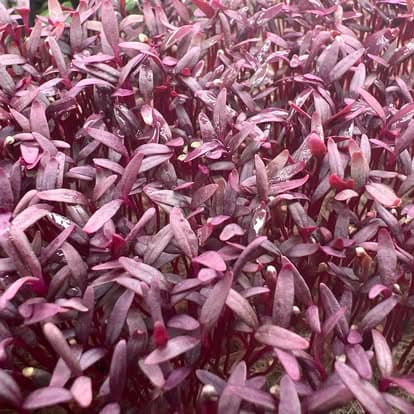
Red Garnet Amaranth microgreens are the showpiece crop — the one that makes food stylists and restaurant platers stop scrolling. ChefPax grows Amaranthus sp. in 5×5 trays, scatter-seeded on the surface (light-sensitive seeds require no cover), under continuous lighting from Day 1 to develop the intense magenta pigmentation that makes this microgreen unmistakable.
Harvested in 12–16 days when stems reach 2–3 inches tall and are vibrant red, amaranth microgreens have an earthy flavor reminiscent of beet greens — slightly sweet, gently mineral, with none of the sharp heat of the brassica family. The flavor is quiet enough to let the color do the talking without sacrificing culinary contribution.
In Austin's brunch culture, Red Garnet Amaranth has become a staple of chef-driven plating. It appears on everything from smoked salmon blinis to acai smoothie bowls to fine-dining amuse-bouches. The color is so vivid and consistent that it functions as a natural food dye in presentations — and unlike artificial dyes, it delivers real nutritional value alongside the visual impact.
Red amaranth is a fine dining staple in Austin kitchens — available as a specialty 5×5 tray through ChefPax's chef supply program for composed plates and high-end garnish programs. Chef Supply Hub →
Red Amaranth Microgreens are a ChefPax microgreen crop grown near Austin for fine dining garnish, chef plating, and home cooking. They are selected for concentrated flavor, texture, and cut-to-order freshness.
Red Amaranth Microgreens are part of the ChefPax crop library for chefs, restaurants, and home cooks in Austin, Texas. Red amaranth microgreens taste earthy and gently sweet — similar to beet greens or young chard, but lighter and more delicate. The flavor is subtle, making these greens excellent for plating situations where the visual element is primary and you don't want a strong taste to compete with the main component. There's a pleasant, slightly mineral aftertaste that reads as "fresh and green." In the kitchen, they work especially well with Fine dining garnish, Sushi rolls and sashimi plating for color contrast, Acai smoothie bowls as a vibrant topping, Brunch plates. ChefPax focuses on crop-specific handling, fresh delivery, and practical culinary use so buyers can choose the right tray by flavor, texture, and service context.
1 Red Amaranth Microgreens tray is ready right now in Austin. Reserve one today →
Move from recipe inspiration to ordering: choose a smaller chef tray for trials or a 10x20 format for service volume.
Amaranth provide a more concentrated crop-specific flavor and a smaller finishing format than standard salad greens.
Red amaranth microgreens taste earthy and gently sweet — similar to beet greens or young chard, but lighter and more delicate. The flavor is subtle, making these greens excellent for plating situations where the visual element is primary and you don't want a strong taste to compete with the main component. There's a pleasant, slightly mineral aftertaste that reads as "fresh and green."
Amaranth microgreens are rich in vitamins A, C, and K, and contain betacyanins — the same red-violet pigments found in beets that have been studied for their antioxidant and anti-inflammatory properties. Amaranth is also notably high in plant-based iron and calcium, making it particularly valuable for plant-forward diets. As a complete protein source (one of the few plants with all essential amino acids), amaranth brings real nutritional substance to its visual role.
For a deeper look at vitamins and phytonutrients studied across varieties, see the microgreens nutrition guide.
Use the flavor wheel as a chef-facing shortcut from taste to products, recipes, and pairings.
Anise / licorice
Flavor pathSweet aromatic herbs for seafood, cocktails, eggs, and cream sauces.
Amaranth microgreens are snipped from 5×5 trays at harvest and packaged for delivery. Keep them dry and refrigerated in their container. They hold color best in cool, dry conditions; excess moisture accelerates wilting. Use within 3–5 days of delivery for peak color intensity.
Full storage tips — container types, fridge placement, and shelf life by crop — are in the microgreens storage guide.
ChefPax Recipes
ChefPax recipe
14 min
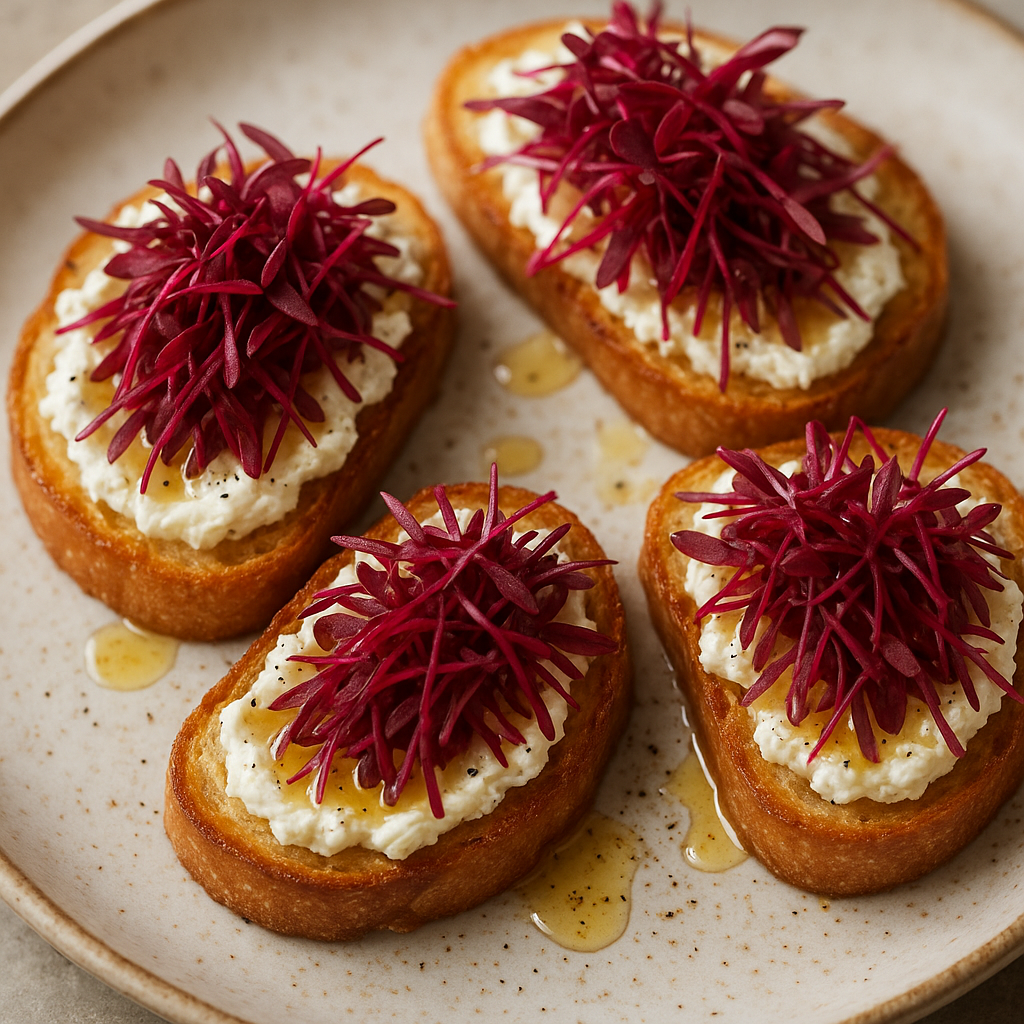
Crispy crostini topped with creamy goat cheese and vibrant red amaranth microgreens.
ChefPax Recipes
ChefPax recipe
25 min
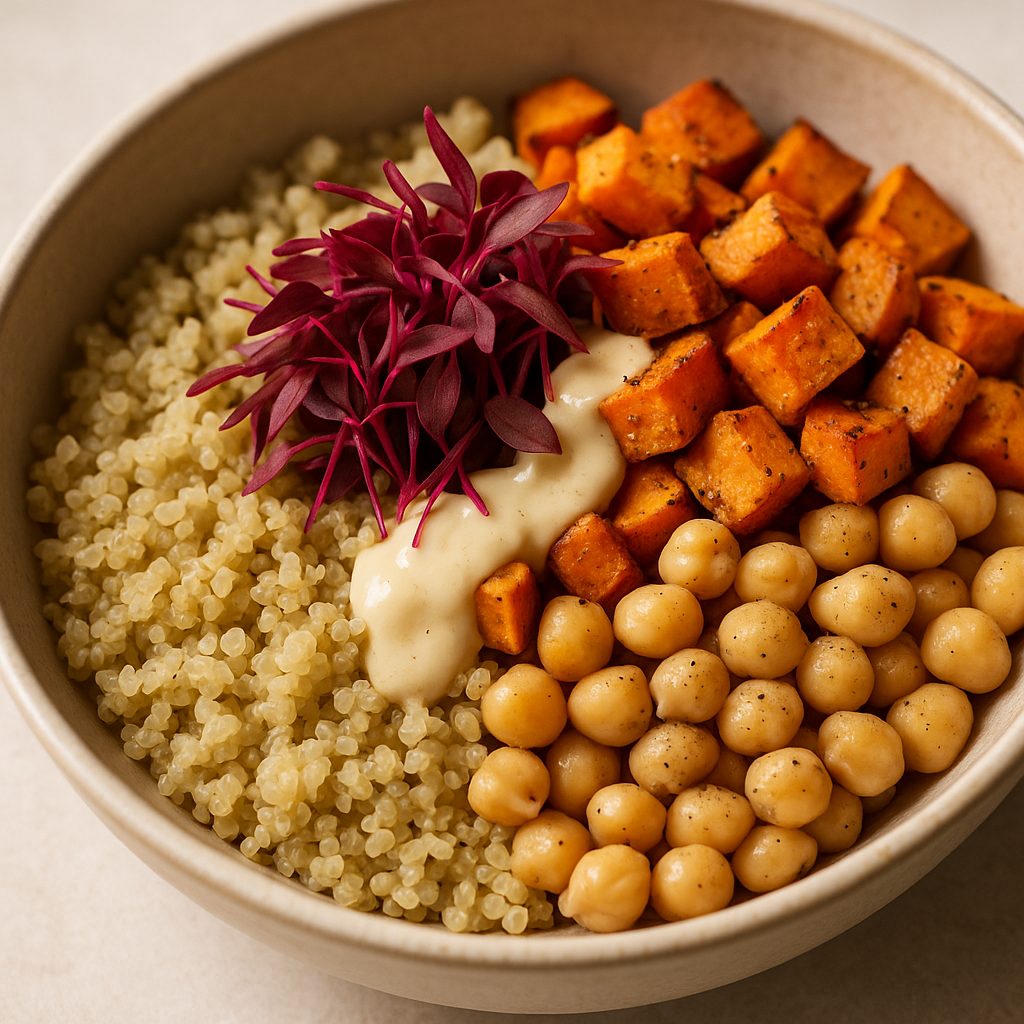
Nutritious quinoa bowl topped with red amaranth microgreens, roasted vegetables, and tahini dressing.
ChefPax Recipes
ChefPax recipe
10 min
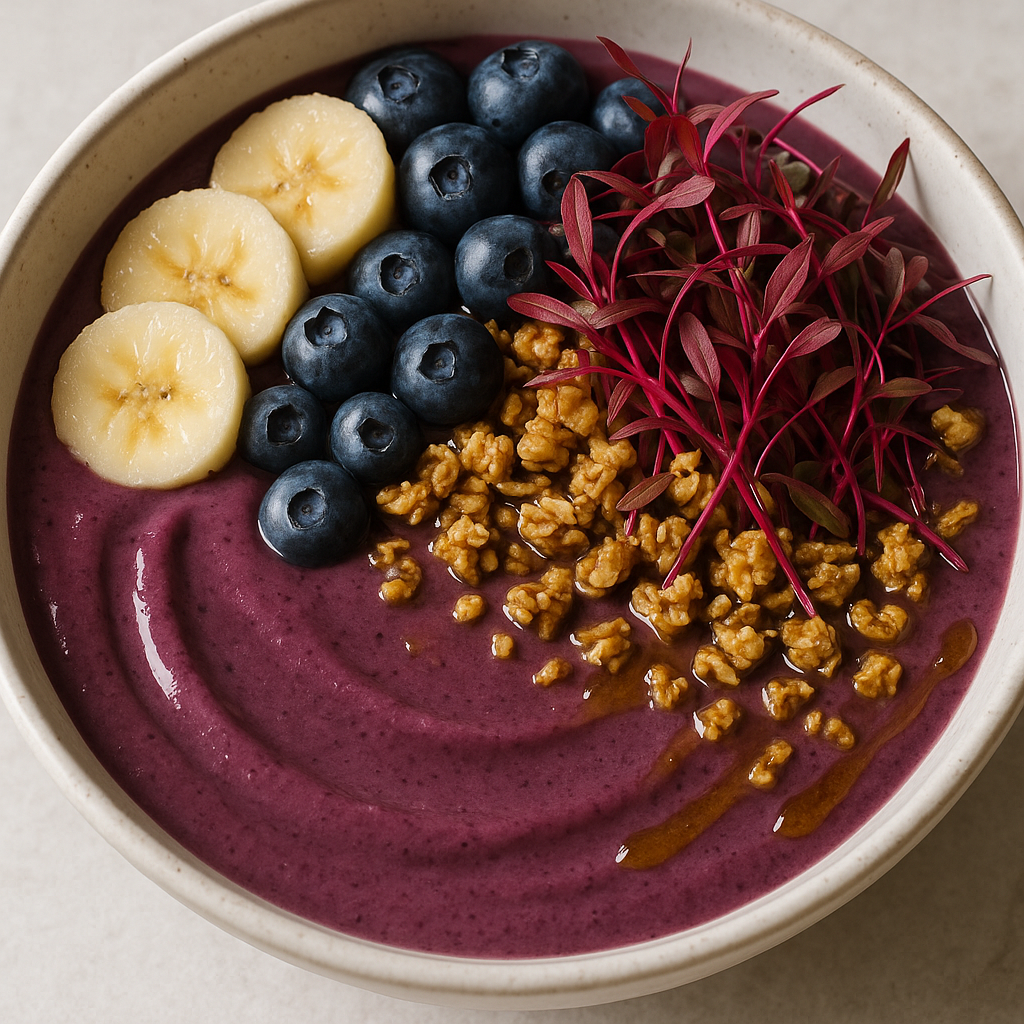
Vibrant purple smoothie bowl topped with red amaranth microgreens and fresh fruit.
ChefPax Recipes
ChefPax recipe
20 min
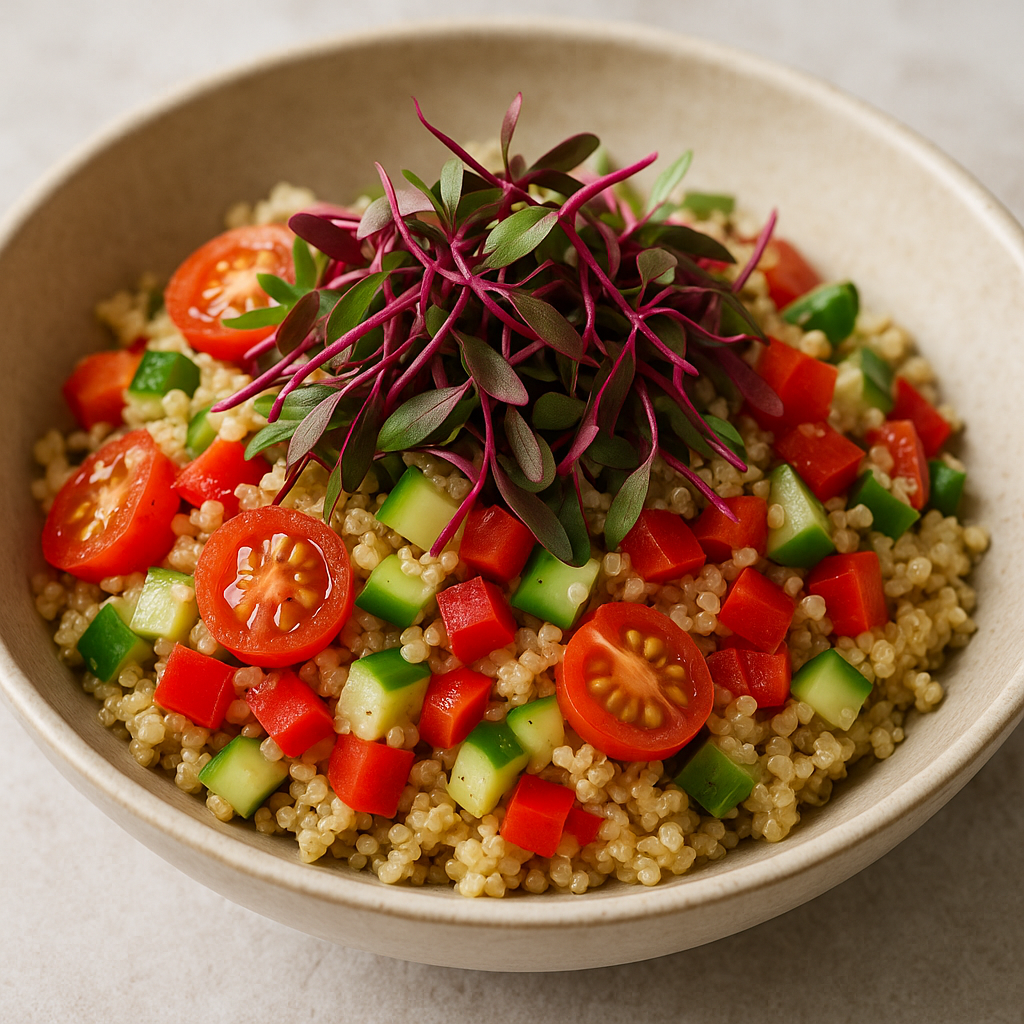
This vibrant salad combines nutty quinoa with fresh amaranth microgreens for a nutritious boost, perfect for lunch or dinner.
ChefPax Recipes
ChefPax recipe
15 min
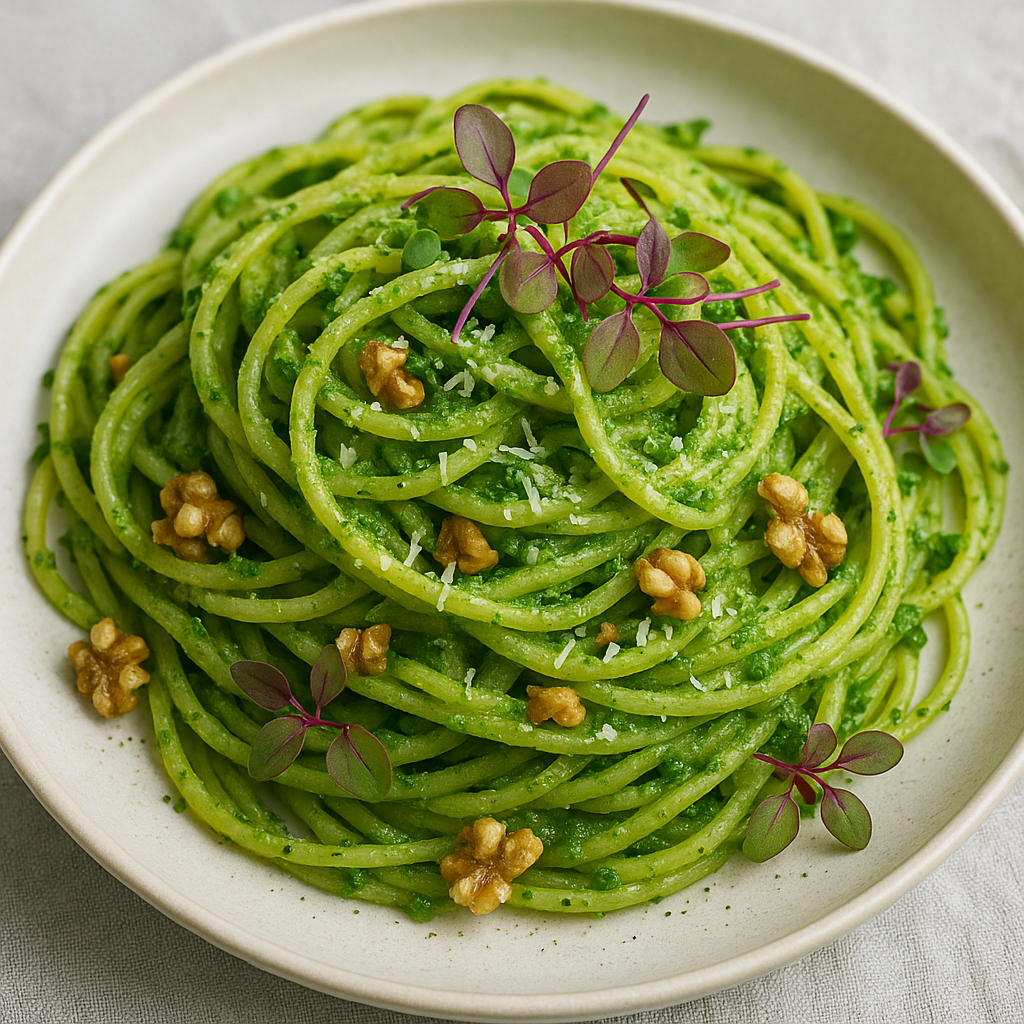
This quick and easy pasta dish features a vibrant amaranth microgreen pesto that adds a unique, earthy flavor.
ChefPax Recipes
ChefPax recipe
25 min
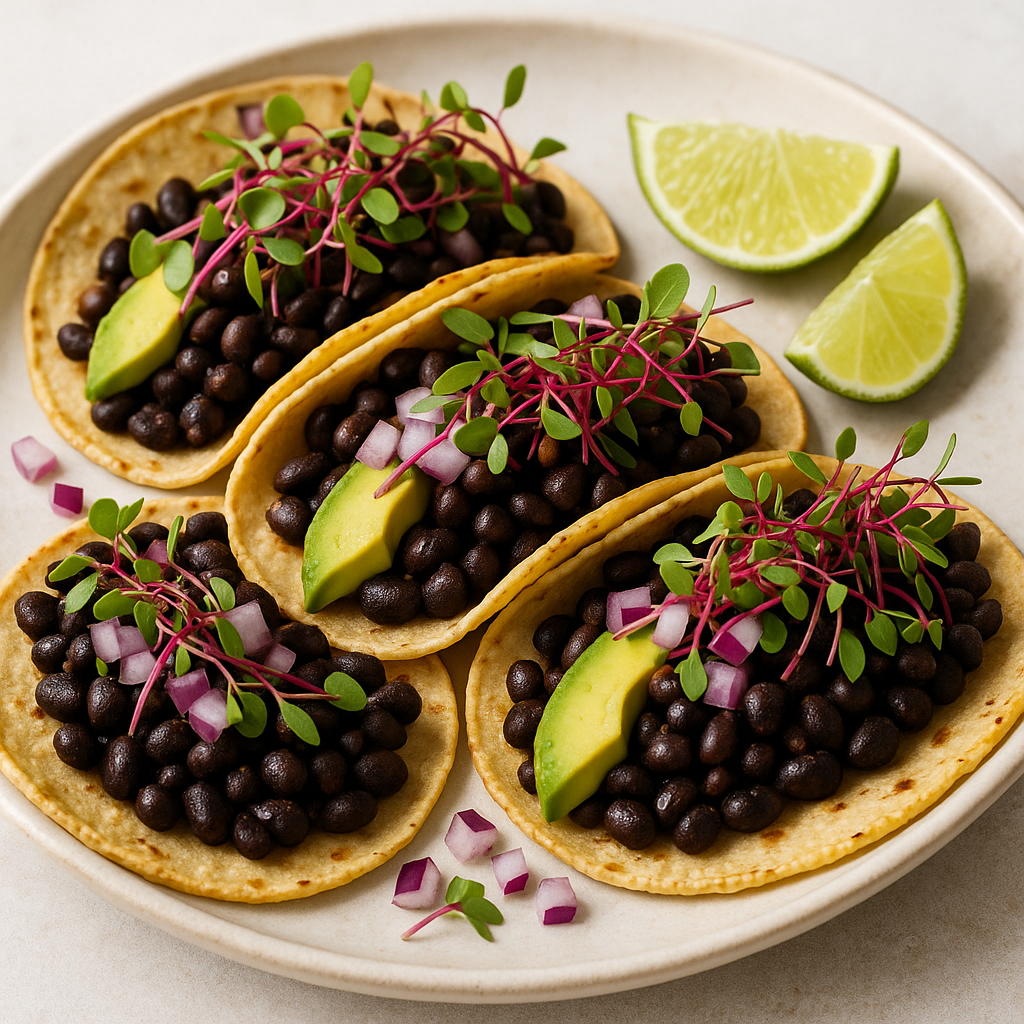
These flavorful tacos feature a zesty bean filling topped with crunchy amaranth microgreens for a fresh, vibrant bite.
ChefPax Recipes
ChefPax recipe
20 min
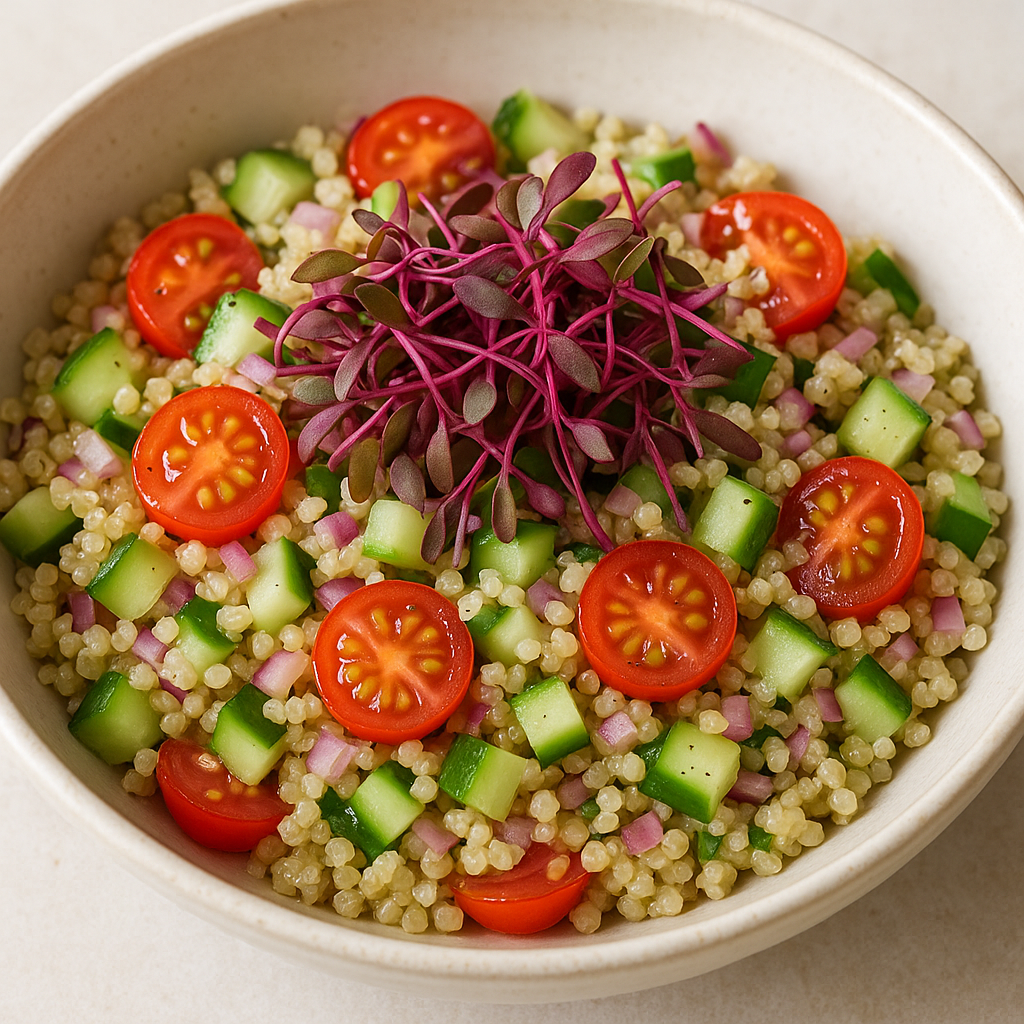
This vibrant quinoa salad is bursting with fresh flavors and nutrients, featuring the peppery kick of amaranth microgreens.
ChefPax Recipes
ChefPax recipe
30 min
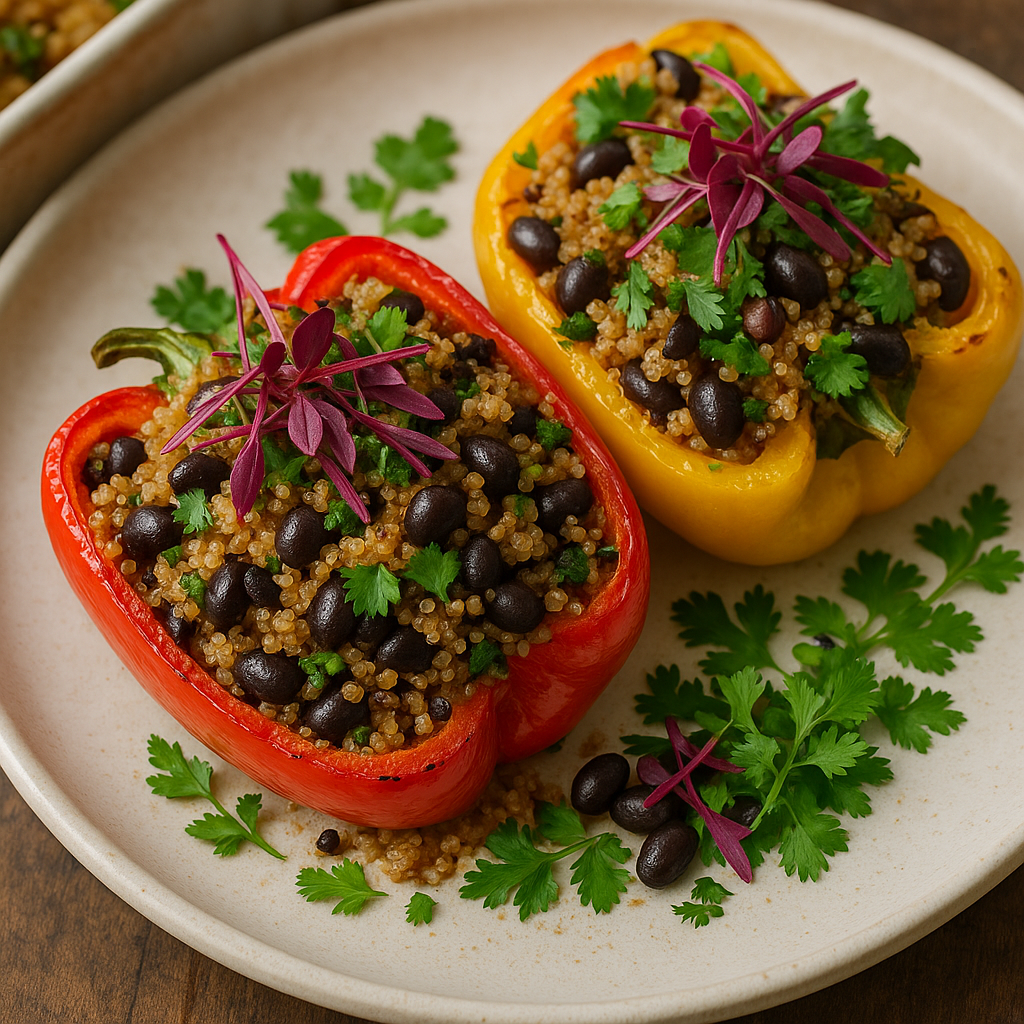
These stuffed peppers are bursting with flavor and nutrients, showcasing amaranth microgreens alongside quinoa and spices. Inspired by the hearty dishes found at Evangeline Cafe.
ChefPax Recipes
ChefPax recipe
10 min
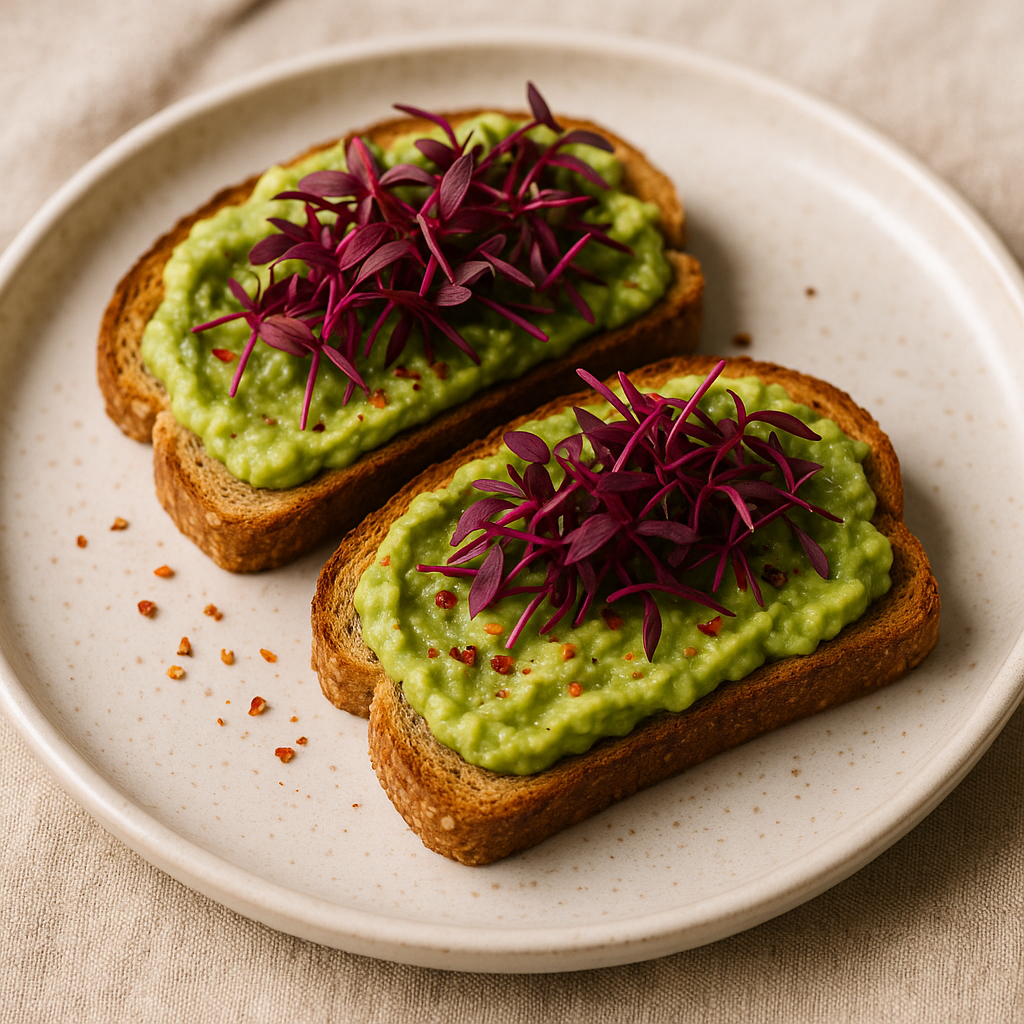
Elevate your brunch game with this creamy avocado toast topped with peppery amaranth microgreens, providing a fresh and nutritious twist.
ChefPax Recipes
ChefPax recipe
15 min
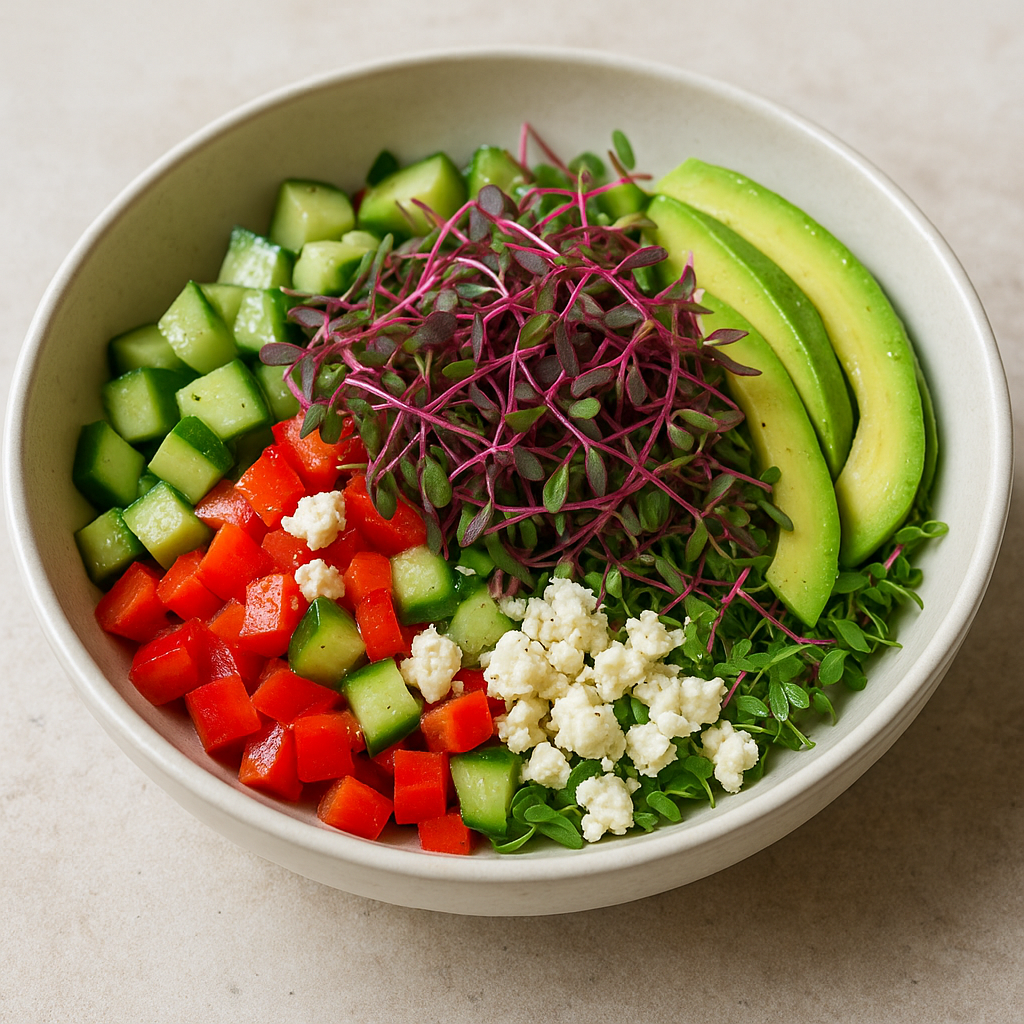
This vibrant salad highlights the nutty flavor of amaranth microgreens, paired with fresh veggies and a zesty dressing. It's a nutritious meal inspired by the colorful offerings at Fonda San Miguel.
ChefPax Recipes
ChefPax recipe
25 min
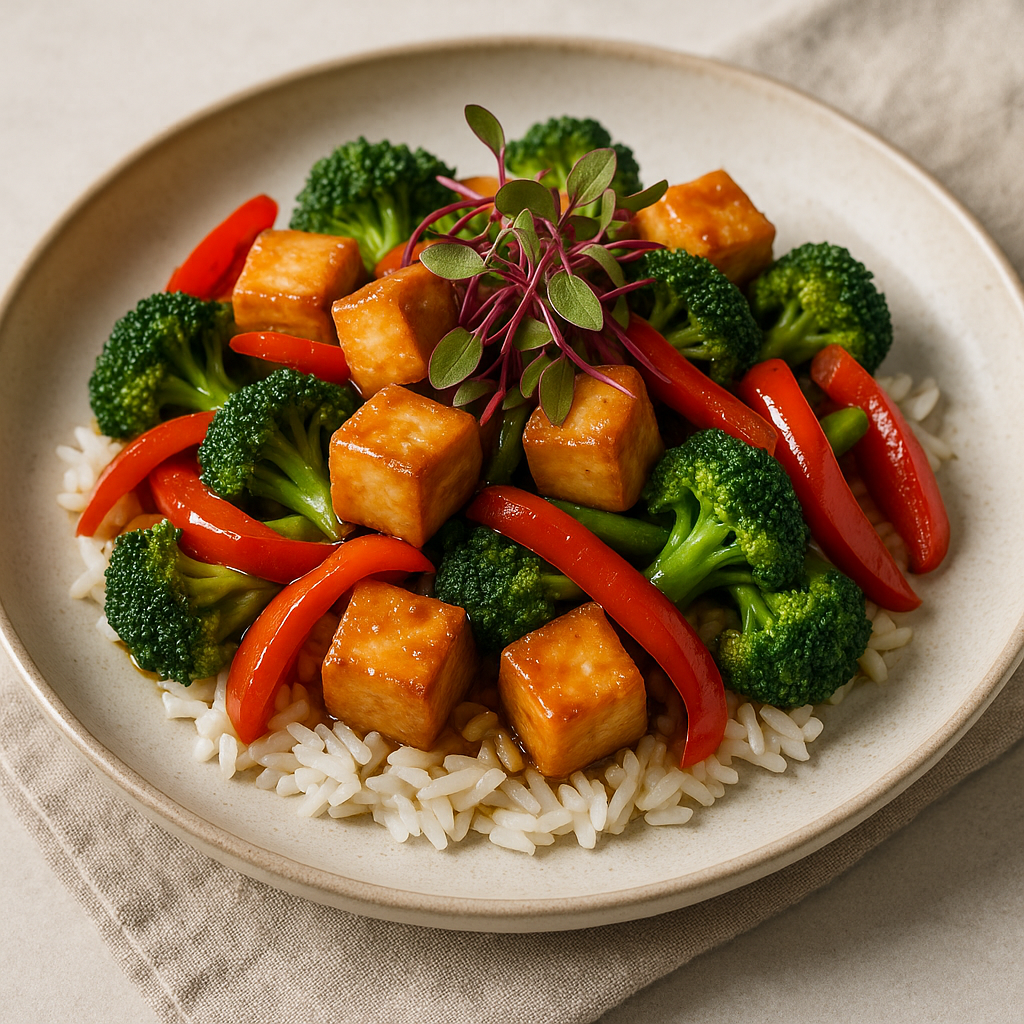
This quick and colorful stir-fry features crispy tofu and a medley of vegetables, finished with fresh amaranth microgreens for a nutritious crunch.
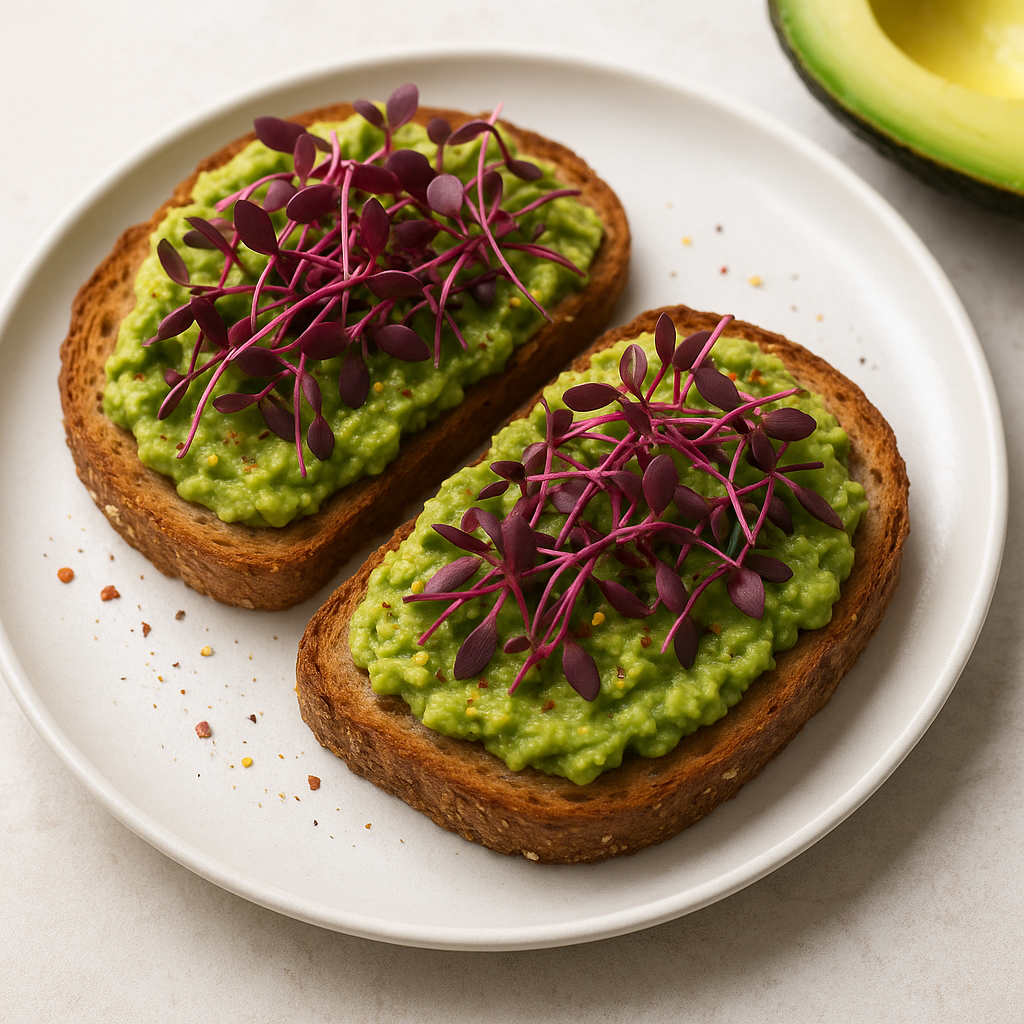
ChefPax Recipes
ChefPax recipe
10 min
Elevate your breakfast with creamy avocado and nutrient-rich amaranth microgreens on perfectly toasted bread.
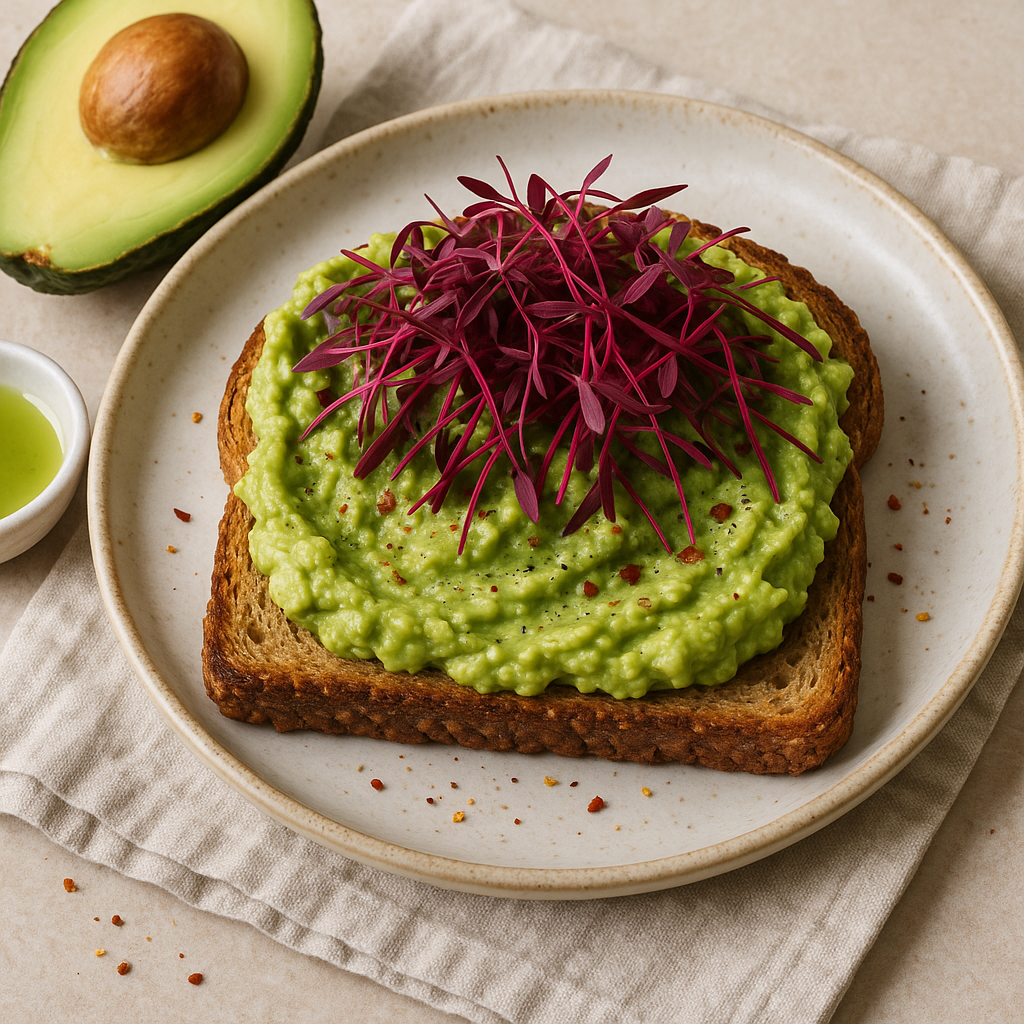
ChefPax Recipes
ChefPax recipe
10 min
This delightful avocado toast is topped with amaranth microgreens, adding a fresh crunch and nutritional boost. A simple yet elegant dish inspired by the flavors of Leo’s Italian Grill.
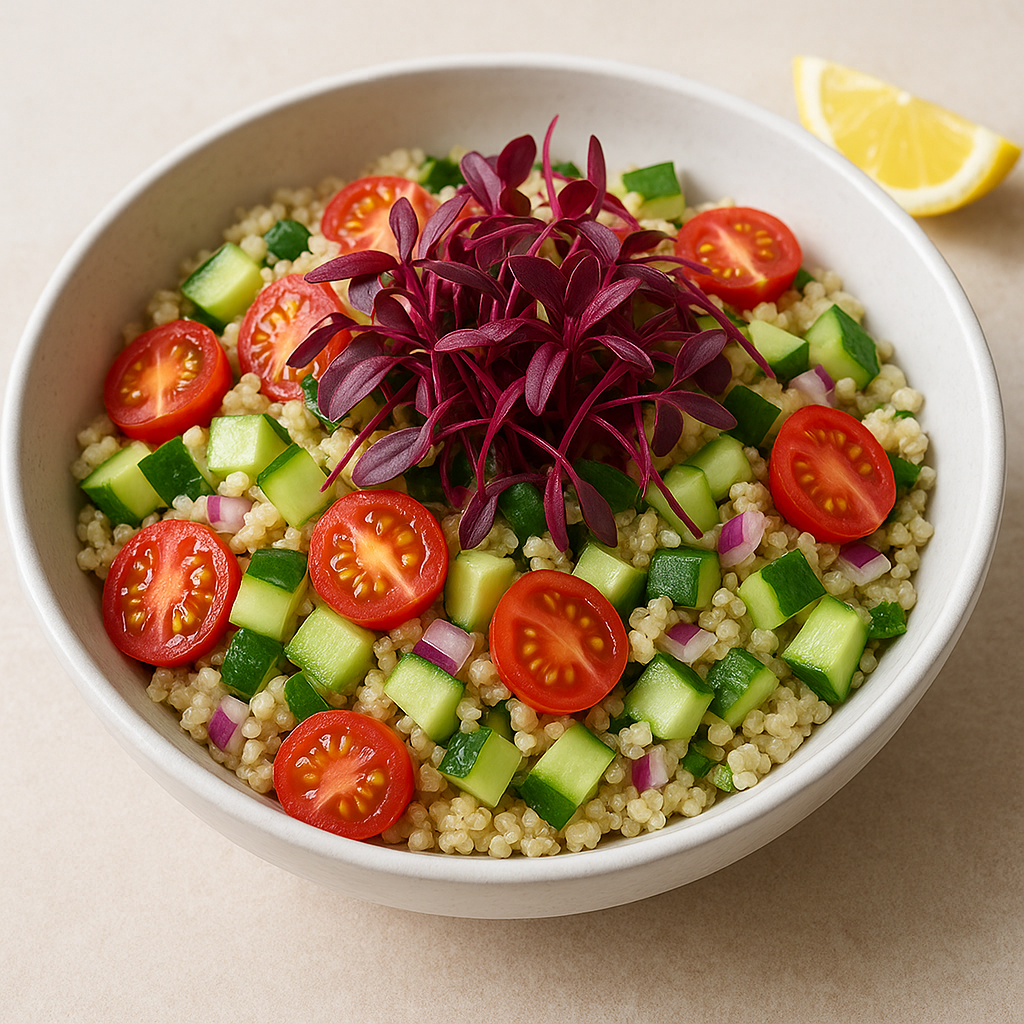
ChefPax Recipes
ChefPax recipe
25 min
This vibrant quinoa salad features amaranth microgreens for a nutrient-rich boost, beautifully complemented by fresh vegetables and a zesty lemon dressing.
It can tinge light-colored dressings slightly pink, especially if acidic dressing is added and left to sit. For the cleanest presentation, dress the plate or bowl and add amaranth microgreens on top at the last moment before serving.
They come from the same plant family, but are different products. Amaranth grain is the mature seed used in cereals and baking. Amaranth microgreens are the seedling stage — harvested at 12–16 days — with a completely different texture, flavor, and nutritional profile skewed toward vitamins rather than carbohydrates.
Amaranth seeds are light-sensitive and require light exposure to germinate properly. Unlike most microgreens that start in a blackout period, amaranth goes under lights immediately — which is also what drives the early development of the vibrant red pigmentation.
Amaranth microgreens are distinguished by their vibrant magenta and gold pigments, which come from betalain compounds. They are chosen by chefs primarily for visual impact and mild, earthy flavor. Amaranth grain has a stronger evidence base than amaranth microgreens specifically.
• Amaranth species have been studied for betalain pigment content, the same class of pigments found in beets and some other plants.
moderate evidence• Pigment intensity and flavor in amaranth microgreens vary significantly by variety and light exposure during growing.
strong evidence1. Yield performance, mineral profile, and nitrate content in a selection of seventeen microgreen species — Frontiers in Plant Science, 2023
2. Specialty Greens Pack a Nutritional Punch — USDA Agricultural Research Service, 2014
Pick a plating goal and ChefPax will shape a tasting set around flavor, texture, and service use.
I'm plating seafood
Aromatic, citrus-friendly herbs for crudo, oysters, salmon, white fish, and raw bar plates.
Bronze Fennel
anise aroma and feathery heightCurled Chervil
soft French-herb liftPea Shoots
sweet height and clean stemsShiso
Japanese aromatic contrastWhat are you making? Get a reviewed pairing grounded in what ChefPax can actually supply.
Browse ChefPax by the way chefs actually choose garnish: dish, service context, and flavor job.
Best microgreens for seafood
The best microgreens for seafood are bronze fennel, curled chervil, pea shoots, and shiso because they add aroma, height, and freshness without overwhelming delicate fish.
Best microgreens for steak
The best microgreens for steak are Chinese Mahogany, radish, wasabi mustard, and nasturtium because they cut richness with savory depth, pepper, or mustard-like heat.
Best garnish crops for cocktails
The best garnish crops for cocktails are bronze fennel, lemon basil, nasturtium, and shiso because they bring aroma and visual precision to the rim or glass.
Best mild microgreens for sandwiches
The best mild sandwich greens are alfalfa sprouts, broccoli microgreens, sunflower, and pea shoots because they add texture without dominating the filling.
Best specialty crops for chefs
The best ChefPax specialty crops for chefs are Chinese Mahogany, bronze fennel, curled chervil, shiso, nasturtium, and red amaranth.
Best herbs for French plating
The best microgreen herbs for French plating are curled chervil, bronze fennel, parsley, and sorrel because they bring restrained aroma and clean finishing flavor.
Best crops for spicy dishes
The best crops for spicy dishes are Rambo radish, wasabi mustard, nasturtium, and cilantro because they add heat, brightness, or fresh herbal contrast.
Looking for something else?
All ChefPax recipes →