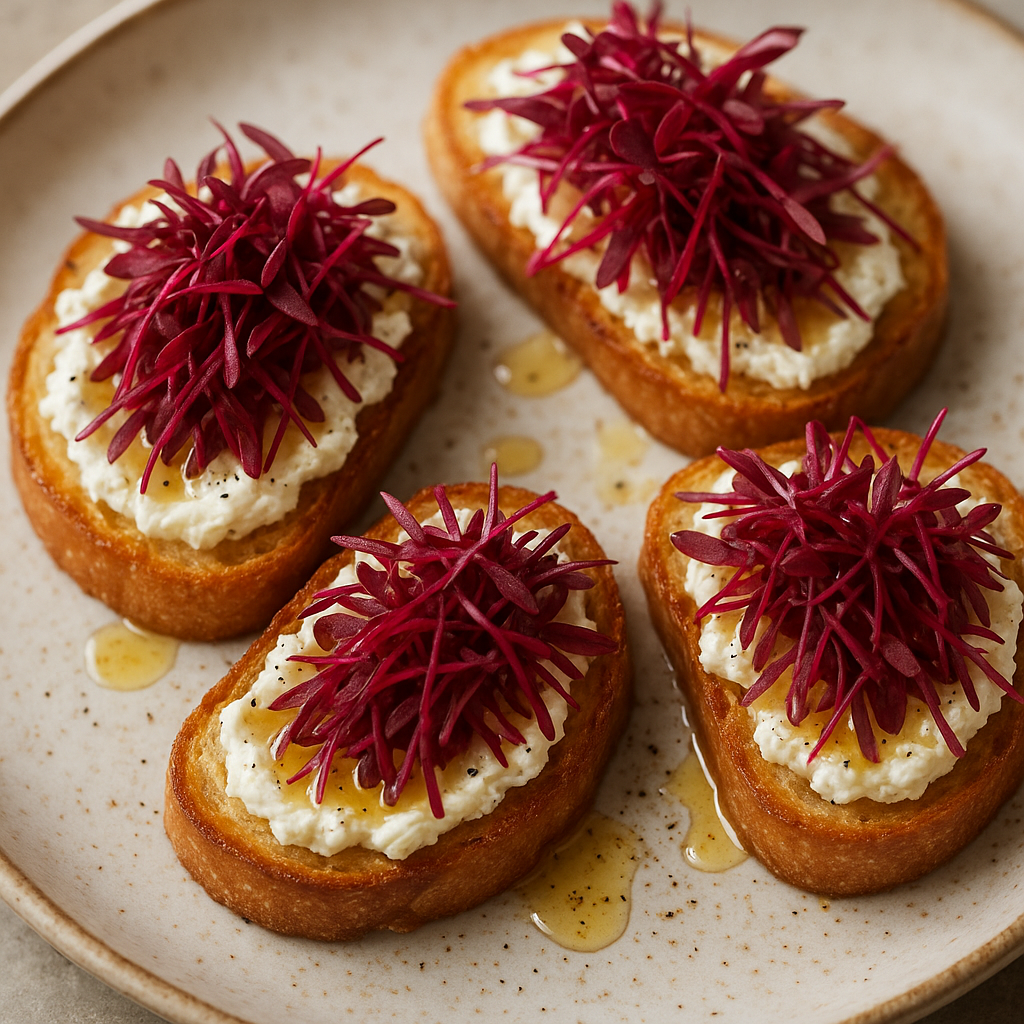
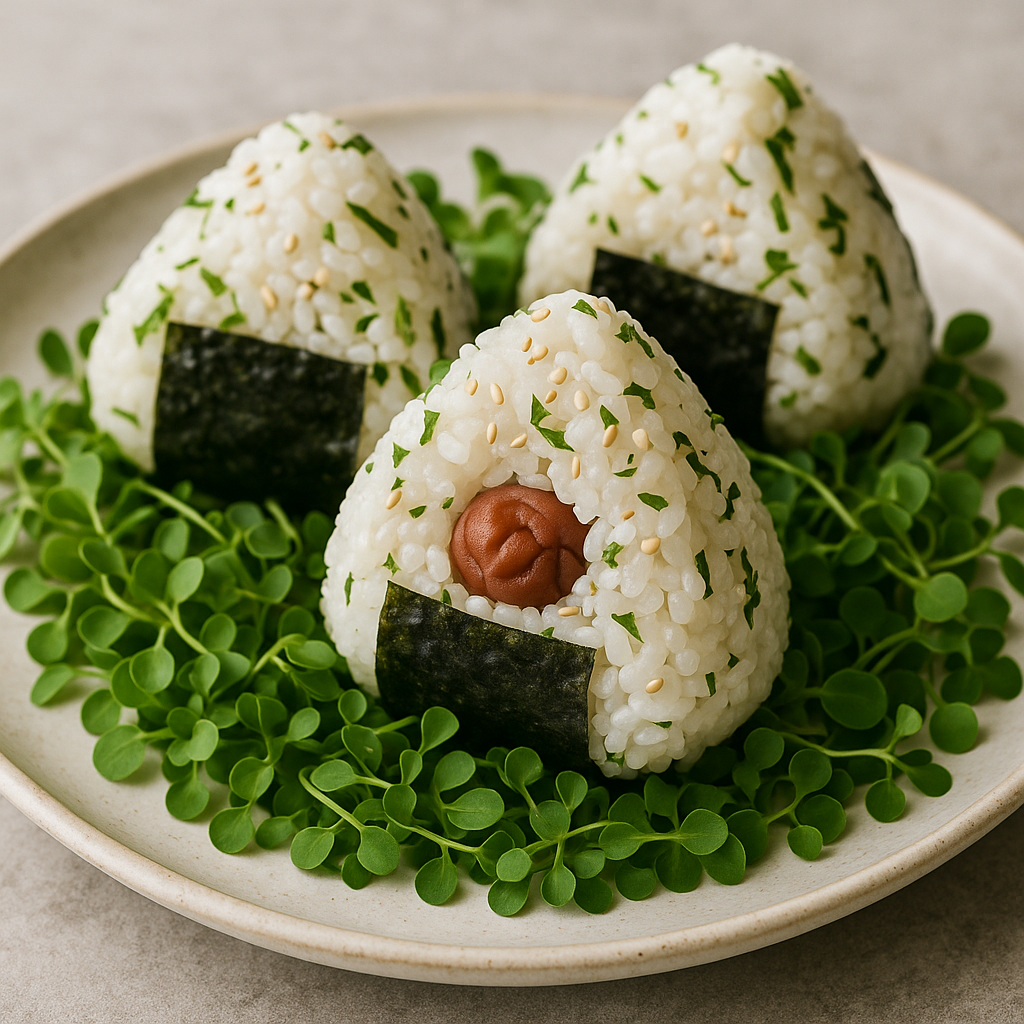
Edible flowers and flower-like microgreens are used when a dish needs color, aroma, texture, and a clear visual signal that the plate was finished with intention. Nasturtium is the strongest edible-flower choice for savory food: the leaves and blooms bring a peppery, watercress-like bite, vivid orange and yellow color, and enough structure to sit cleanly on salads, soft cheeses, seafood, cocktails, and plated proteins. Dark opal basil microgreens play a different role, adding deep purple color with sweet basil aroma and a light anise note that works with tomato, citrus, gin, and pasta. Shiso brings a Japanese, herbal profile — mint, basil, and anise together — making it useful on sushi, sashimi, ramen, crudo, and chef-driven composed plates. Red amaranth is mostly about visual contrast: magenta stems, fine texture, and a mild earthy flavor that adds drama without overpowering. For chefs, the goal is usually one precise cluster, rim garnish, or salad accent rather than a handful of greens. Austin restaurants and market shoppers use these varieties as finishing ingredients, usually cut from live 5x5 specialty trays immediately before service so the color stays upright and the aroma is still fresh.
What are edible flowers used for?
Edible flowers and flower-like microgreens are used when a dish needs color, aroma, texture, and a clear visual signal that the plate was finished with intention. Nasturtium is the strongest edible-flower choice for savory food: the leaves and blooms bring a peppery, watercress-like bite, vivid orange and yellow color, and enough structure to sit cleanly on salads, soft cheeses, seafood, cocktails, and plated proteins. Dark opal basil microgreens play a different role, adding deep purple color with sweet basil aroma and a light anise note that works with tomato, citrus, gin, and pasta. Shiso brings a Japanese, herbal profile — mint, basil, and anise together — making it useful on sushi, sashimi, ramen, crudo, and chef-driven composed plates. Red amaranth is mostly about visual contrast: magenta stems, fine texture, and a mild earthy flavor that adds drama without overpowering. For chefs, the goal is usually one precise cluster, rim garnish, or salad accent rather than a handful of greens. Austin restaurants and market shoppers use these varieties as finishing ingredients, usually cut from live 5x5 specialty trays immediately before service so the color stays upright and the aroma is still fresh.
Do edible flowers have flavor?
Edible flower flavors vary by variety: nasturtium is peppery and fresh, dark opal basil is sweet and aromatic with anise notes, shiso is herbal and Japanese-inspired, and amaranth is mild and earthy with more visual impact than flavor intensity.
Which edible flowers does ChefPax grow?
ChefPax grows nasturtium as the primary edible flower variety, plus dark opal basil, shiso, and red amaranth as specialty microgreens that serve the same plating role: vivid color, concentrated aroma, and a delicate finishing texture for chef dishes and home entertaining.
How do Austin chefs use edible microgreens in plated dishes?
Austin chefs use edible microgreens as a final pass ingredient on composed salads, crudo, seafood, steak, cocktails, and tasting-menu plates. Nasturtium adds peppery edible-flower impact, shiso signals Japanese or modern American influence, dark opal basil lifts citrus and tomato dishes, and amaranth gives magenta contrast. ChefPax sees this demand directly from chef clients across Austin as farm-to-table menus keep moving toward local, visually distinctive garnishes.
Where can I buy edible microgreens in Austin?
You can buy edible microgreens in Austin from ChefPax online through the shop for local delivery or pickup, or through a wholesale standing account for restaurants. Specialty 5x5 trays like nasturtium, shiso, and dark opal basil are best for garnish-scale use because chefs can cut only what they need right before service.
Edible flowers in professional kitchens
Professional chefs use edible flowers primarily for visual impact and aroma. A well-placed nasturtium or shiso leaf on a composed plate signals technique and attention to detail. Unlike most garnishes, edible flowers also contribute genuine flavor — nasturtium's mild pepper note, shiso's anise complexity — which is why fine-dining kitchens prize them over purely decorative garnishes.
Nasturtium is ChefPax's primary edible flower variety. Both the leaves and flowers are edible, with a distinctly peppery flavor that pairs well with soft cheeses, seafood, salads, and cocktails. Nasturtium adds a vivid orange and yellow color contrast to almost any dish. The flavor is subtle enough that it works in both sweet and savory applications without overpowering.
Shiso, amaranth, and basil microgreens as edible flower alternatives
While not technically flowers, shiso, red amaranth, and dark opal basil serve a similar role in professional plating — vivid color, concentrated aroma, and visual distinction. Shiso provides burgundy color with herbal anise notes. Red amaranth contributes deep magenta with an earthy beet-like undertone. Dark opal basil delivers deep purple with sweet aromatic flavor. All three are available as ChefPax 5×5 specialty trays.
How to use edible flowers at home
Edible flowers are easiest to use as a finishing element — placed on a dish immediately before serving to preserve color and texture. Common home applications include:
Scattered over salads for visual interest and flavor
Placed on soft cheeses or charcuterie boards
Floating on cocktails and mocktails
Layered on desserts and cakes for decoration
Used as a finishing element on composed pasta and protein dishes
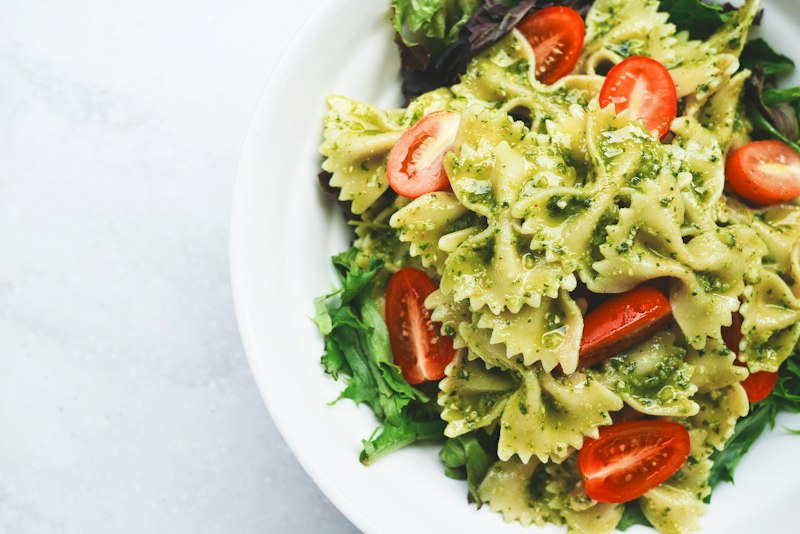
Basil microgreens make a better pesto than mature basil leaves — the flavor is more concentrated, the color is vivid green without blanching, and the texture blends silky-smooth in under 60 seconds. This no-cook pesto comes together while your pasta water heats, which is why this dish reliably lands on the table in 15 minutes. The key technique is reserving pasta water before draining: that starchy liquid emulsifies the olive oil into the pesto and turns it from a thick paste into a sauce that coats every strand. ChefPax Dark Opal Basil or standard basil microgreens both work here — Dark Opal adds a subtle anise note and a slight purple tint to the finished pasta.