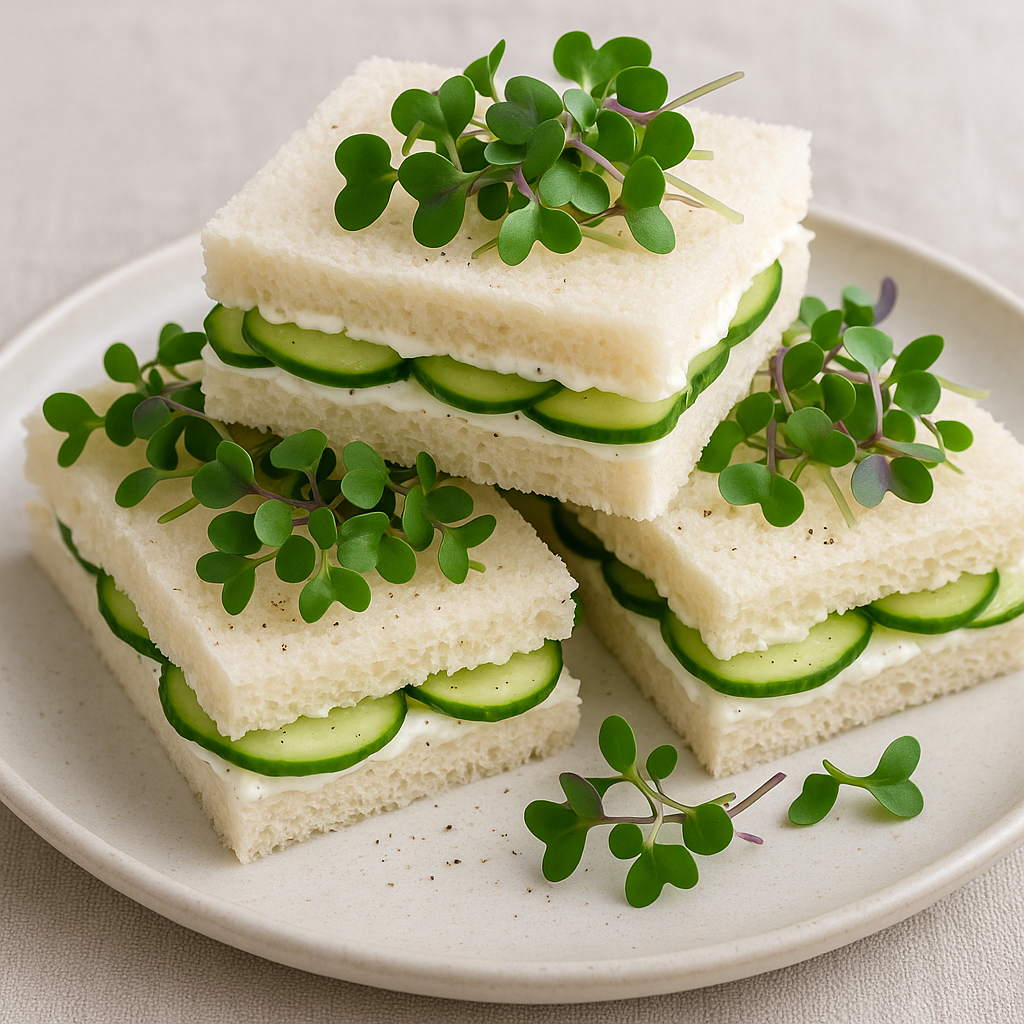
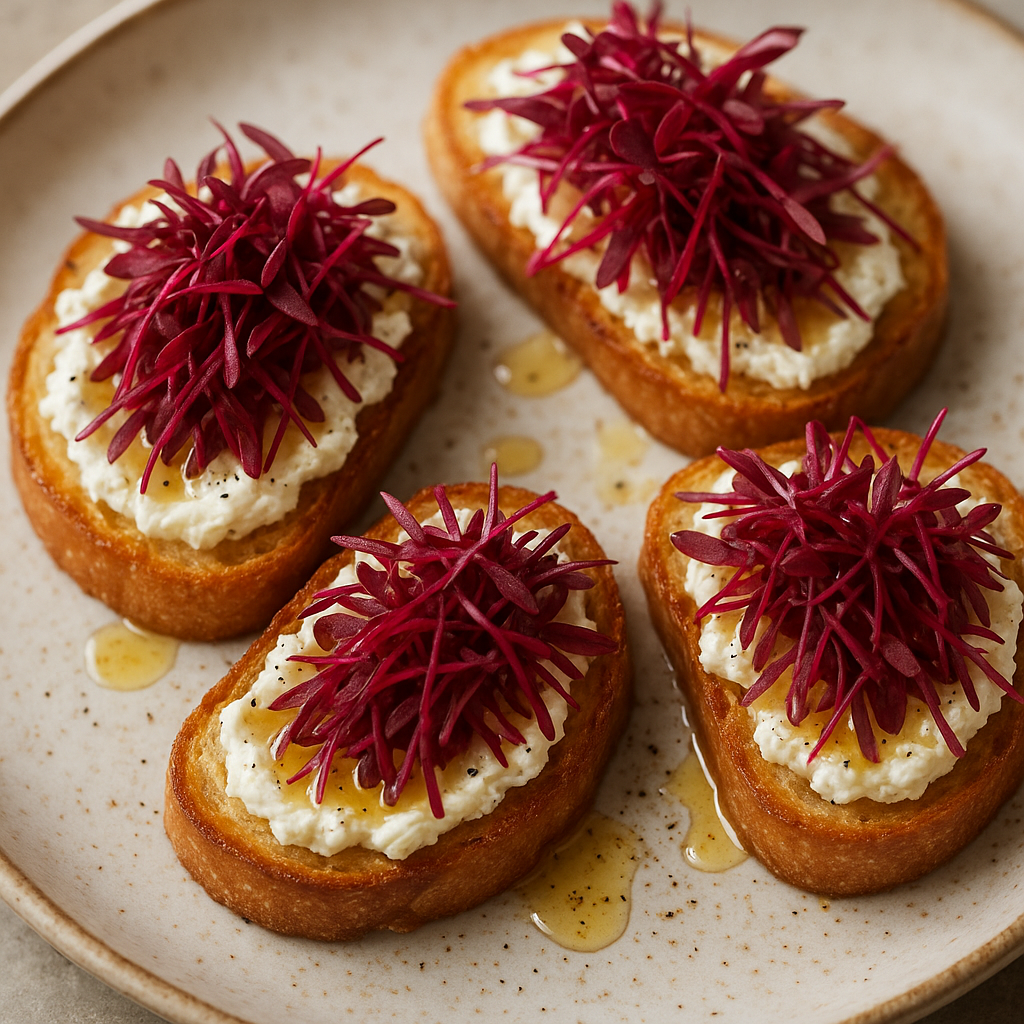
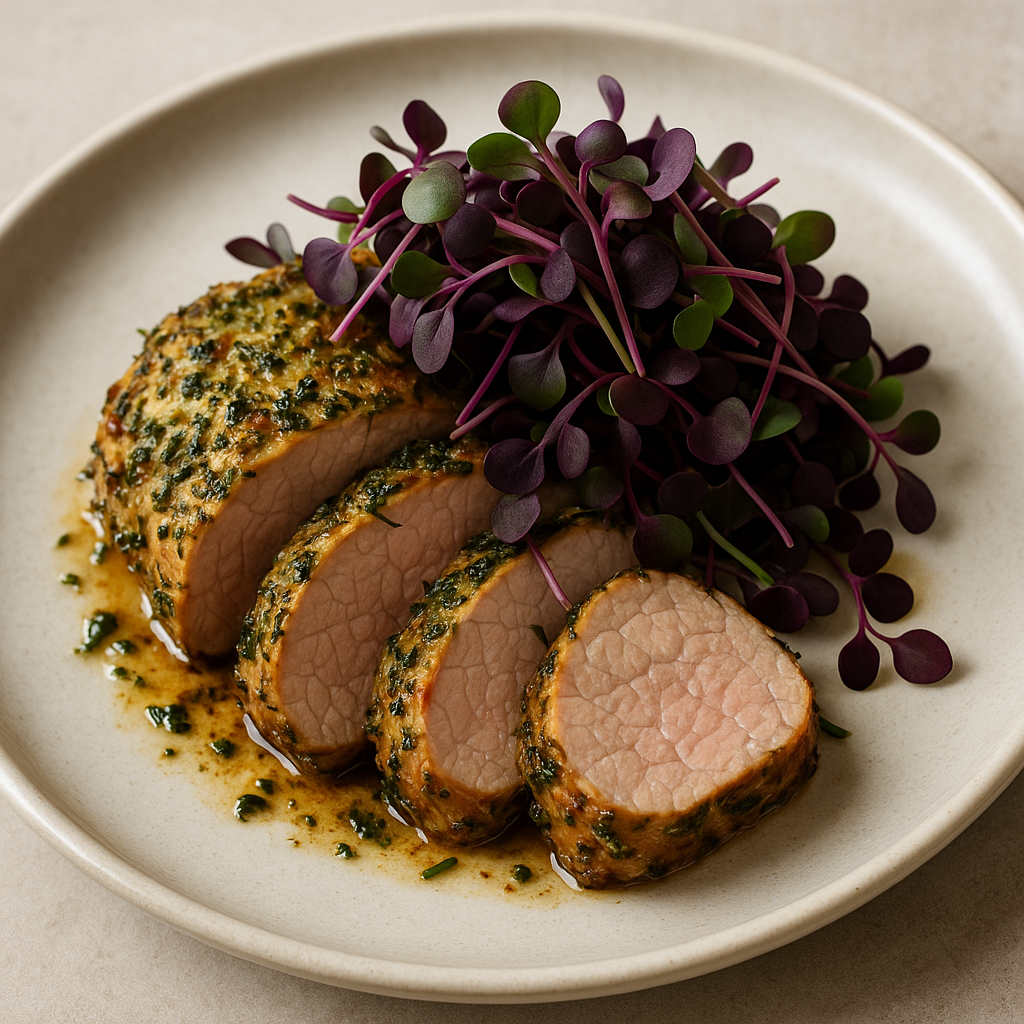
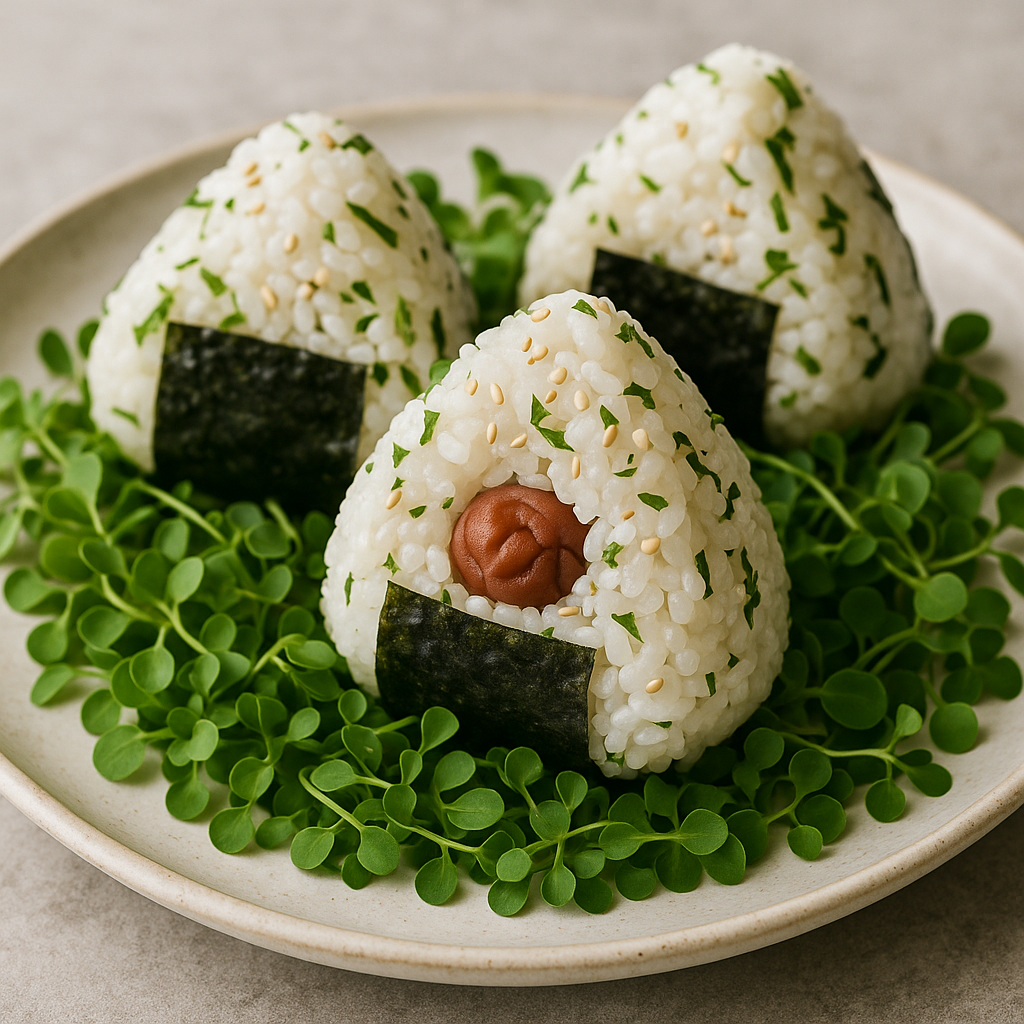
Chefs most commonly use radish microgreens from ChefPax for bold spice and color, sunflower for texture, pea shoots for sweetness, and shiso and nasturtium for specialty plating and garnish work.
Which microgreens do chefs use most?
Chefs most commonly use radish microgreens from ChefPax for bold spice and color, sunflower for texture, pea shoots for sweetness, and shiso and nasturtium for specialty plating and garnish work.
Why do chefs prefer live microgreen trays?
Chefs prefer live microgreen trays because they remain at peak freshness until harvested — eliminating waste, allowing kitchen staff to cut per-service quantities, and ensuring consistent texture and flavor.
Which microgreens are best for fine-dining garnish?
Nasturtium, shiso, red amaranth, and specialty basil varieties are the most popular garnish microgreens for fine-dining kitchens — chosen for visual impact, aromatic complexity, and edible flower options.
Which microgreens are best for steaks and proteins?
Radish microgreens add peppery heat that cuts through rich proteins, while sunflower provides textural contrast. Both are used by chefs to finish beef, pork, and salmon dishes.
Do restaurants in Austin use ChefPax microgreens?
ChefPax supplies local Austin restaurants, private chefs, and pop-up dining operations with weekly recurring tray orders — with options for custom variety selection and delivery scheduling.
Why chefs prefer live microgreen trays
Professional kitchens have adopted live microgreen trays as the standard over pre-cut packaged greens for a straightforward operational reason: live trays stay at peak quality until cut. A chef can harvest exactly what is needed per service without the waste or wilting associated with pre-packaged options.
This matches documented professional kitchen behavior: the University of Minnesota Extension notes that microgreen adoption in restaurant kitchens accelerated as growers began offering recurring live tray subscriptions that match kitchen order cadence (Tong, 2013).
Radish microgreens — bold spice, strong color
Rambo radish microgreens are a chef staple for their visual impact (deep magenta stems) and bold peppery heat. Chefs use them as a finishing element on beef, salmon, and pork dishes — the spice cuts through rich fats and provides a clean visual accent.
Flavor profile (ChefPax grow data): bold, spicy, horseradish-like with a clean finish. Botanical: Raphanus sativus. Harvest: 6–8 days.
Sunflower microgreens — texture and versatility
Sunflower microgreens are the most versatile variety in professional kitchens. Their nutty flavor and thick, crunchy stems hold up under sauces and dressings without wilting. Chefs use them in composed salads, grain bowls, and as a substantial garnish layer that adds bulk and texture.
At the fine-dining and tasting-menu level, chefs prioritize microgreens with visual complexity and aromatic distinctiveness. The most commonly requested varieties for garnish work:
Shiso:Shiso microgreens — herbal, anise-forward, visually distinctive with ruffled leaves. Common in Japanese-influenced and modern American cuisine.
Red amaranth:Amaranth microgreens — vivid magenta color, mild beet-like flavor. Popular for plating contrast on white or cream-sauced dishes.
Specialty basil:Dark opal basil, Thai basil, and lemon basil — used for aromatic complexity and varietal flavor differentiation in Italian, Thai, and contemporary dishes.
Salmon/seafood: Pea shoots (sweetness), shiso (citrus/anise lift)
Pork: Radish or wasabi mustard (heat), broccoli (earthy balance)
Chicken/poultry: Sunflower, pea shoots, or broccoli (mild complement)
Vegetarian plates: Amaranth, nasturtium, or basil (visual and aromatic)
ChefPax restaurant and private chef service in Austin
ChefPax supplies Austin-area restaurants, private chefs, and catering operations through recurring weekly tray subscriptions. Delivery includes a curated selection of high-demand varieties with options to specify which trays are included each week.