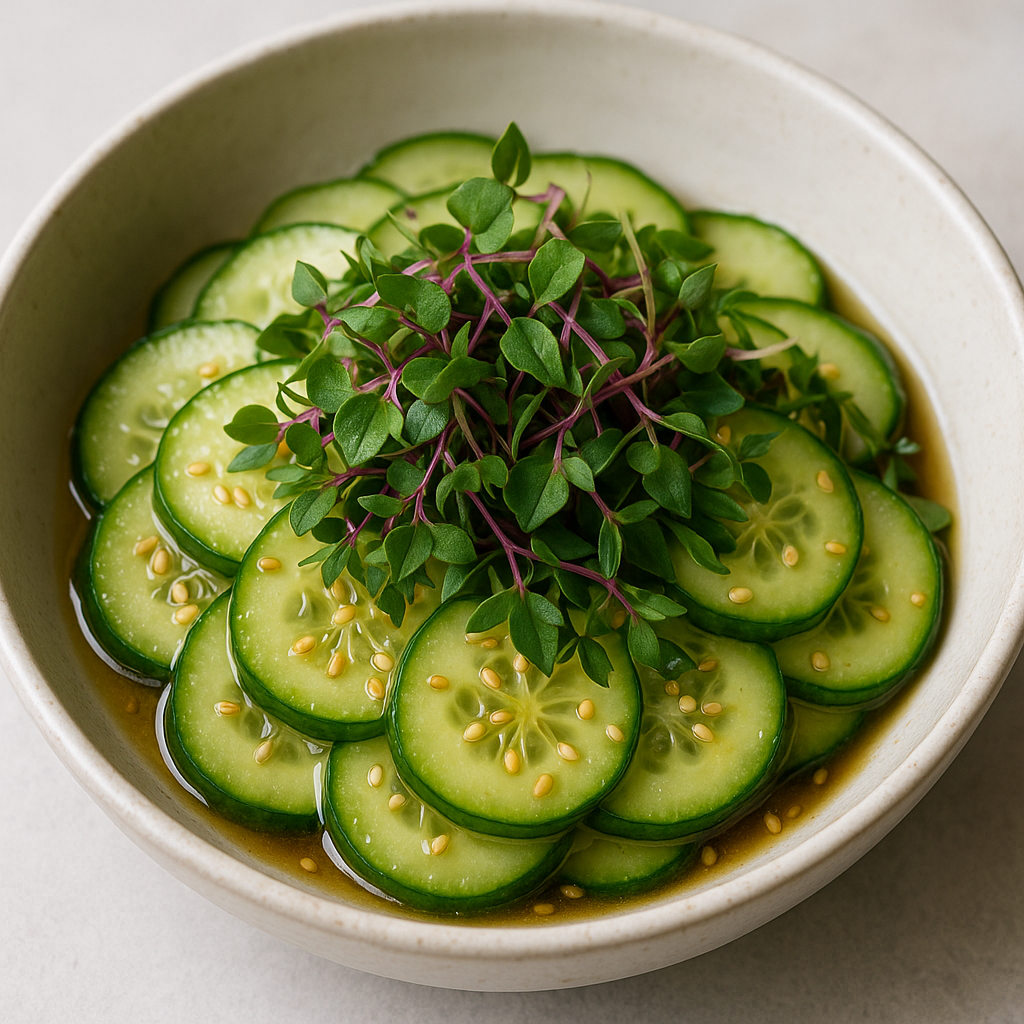
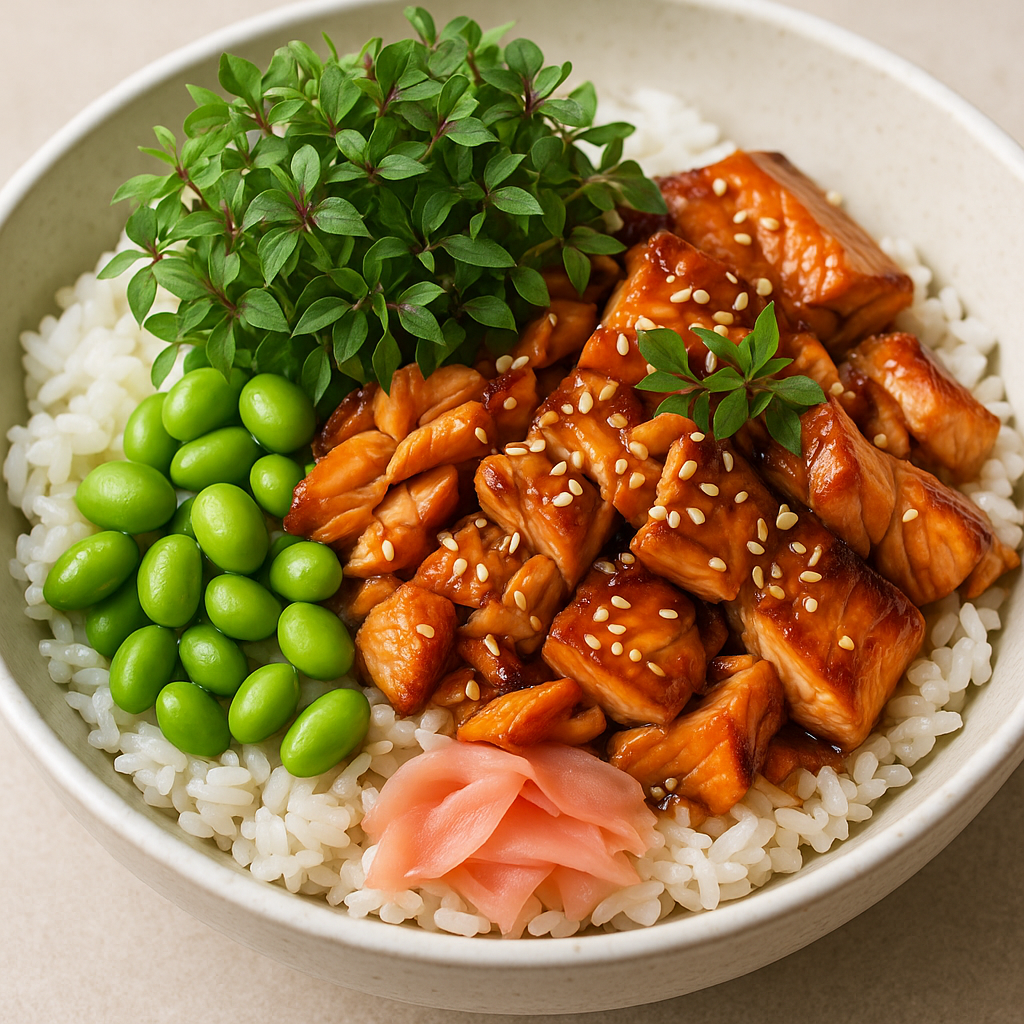
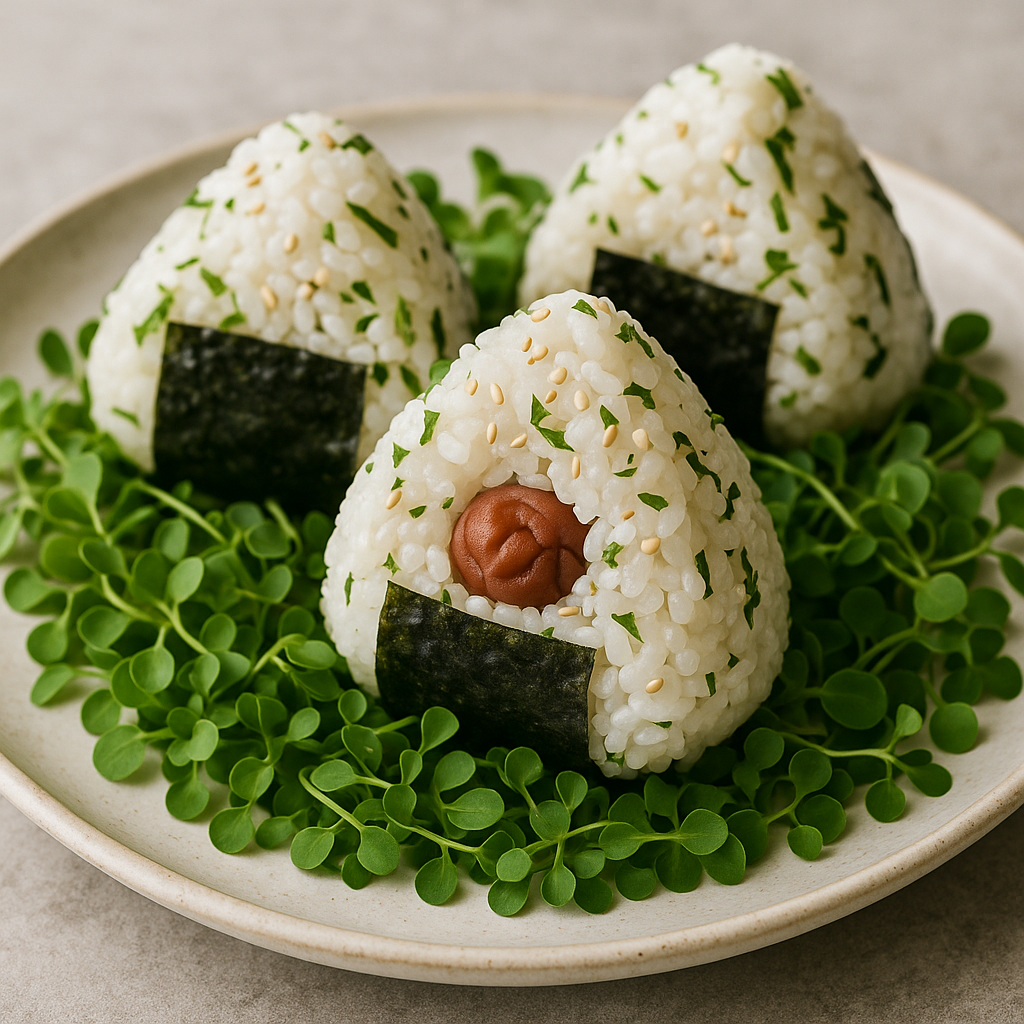
Shiso microgreens provide a burgundy-herbal element for composed plates, red amaranth delivers deep magenta color with earthy undertones, and Rambo radish adds a spicy accent — all three are finishing decisions, not afterthoughts.
Why these microgreens work for plated dishes
Plated dishes in fine dining and chef-driven kitchens treat microgreens as the final edit — the element that signals intentionality and separates a composed plate from a casual one. The choice of variety communicates something specific: shiso says Japanese influence or herbal refinement; red amaranth says visual precision and color theory; Rambo radish says bold spice with a chef's confidence in contrast. Austin's chef community, from East Austin tasting menus to Westlake private chef programs, uses specialty microgreens as a primary finishing tool because they add height, color, aroma, and flavor at the same time. The plating technique is different from casual garnish. Use one deliberate cluster to create height near the protein, a second smaller anchor to pull the eye across the plate, or a sparse line to echo a sauce swipe. Most plates only need 1-2 grams of microgreens; more than that turns a composed dish into a salad and hides the center-of-plate work. Color contrast matters: amaranth is strongest on white plates, pale fish, cream sauces, and risotto; shiso reads best against salmon, tuna, beef, and dark glazes; radish works when the plate needs magenta stems and peppery lift. Live-cut microgreens behave differently than pre-cut clamshell greens because they retain stem tension, aroma, and moisture until the last second. That matters at the pass: cut after the sauce is down, place after the protein rests, and keep delicate leaves away from direct steam. ChefPax grows 5×5 specialty trays specifically for composed plate use, with smaller cuts suited to tweezers and precise placement rather than broad scatter. These trays fit the Michelin-influenced techniques Austin chefs borrow from modern tasting menus: negative space, asymmetric clusters, edible color contrast, and garnish that tastes like part of the dish.