Petroselinum crispum

Parsley microgreens (Petroselinum crispum) are the quiet achiever of the ChefPax lineup — less flashy than amaranth, less spicy than radish, but consistently useful across more cuisines than almost any other microgreen we grow. We grow Dark Green Italian Flat Leaf parsley, seeded at 6–8 g per 5×5 tray with a 5–7 day blackout period and patient light exposure from Day 7 onward. Total harvest time is 18–25 days.
The result is a microgreen that tastes unmistakably like fresh, bright parsley — grassy, clean, slightly bitter in the most appealing way, with that distinctive fresh-herb quality that lifts any dish it touches. In culinary terms, parsley is a foundation herb — it appears in French, Italian, Middle Eastern, and Greek cooking as a background element that makes other flavors pop.
Parsley microgreens are the microgreen equivalent of that foundation herb, with the added advantage of being visually appealing as a garnish in their own right. The dark green flat leaves distinguish them immediately from curly parsley, and their fresh, uncooked flavor profile makes them ideal for finishing dishes where you want herb presence without the assertiveness of basil or the complexity of shiso.
Parsley Microgreens are a ChefPax microgreen crop grown near Austin for mediterranean dishes, chef plating, and home cooking. They are selected for concentrated flavor, texture, and cut-to-order freshness.
Parsley Microgreens are part of the ChefPax crop library for chefs, restaurants, and home cooks in Austin, Texas. Parsley microgreens taste fresh, grassy, and mildly bitter with a clean, bright herb finish. The flavor is classic flat-leaf parsley — more complex and less one-dimensional than curly parsley — with a fresh garden quality that enhances savory dishes without competing. There's a slight peppery note at the finish, and the aroma when you snip them is immediately recognizable as fresh herb. In the kitchen, they work especially well with Mediterranean dishes, Finishing herb for pasta, risotto, and grain dishes, Sauces and chimichurri as a fresh herb base, Garnish for soups and stews. ChefPax focuses on crop-specific handling, fresh delivery, and practical culinary use so buyers can choose the right tray by flavor, texture, and service context.
1 Parsley Microgreens tray is ready right now in Austin. Reserve one today →
Move from recipe inspiration to ordering: choose a smaller chef tray for trials or a 10x20 format for service volume.
Parsley (Dark Flat Leaf) (5×5)
fresh, grassy, slightly bitter flavor
Parsley (Dark Flat Leaf) (10×20)
fresh, grassy, slightly bitter flavor
Parsley provide a more concentrated crop-specific flavor and a smaller finishing format than standard salad greens.
Parsley microgreens taste fresh, grassy, and mildly bitter with a clean, bright herb finish. The flavor is classic flat-leaf parsley — more complex and less one-dimensional than curly parsley — with a fresh garden quality that enhances savory dishes without competing. There's a slight peppery note at the finish, and the aroma when you snip them is immediately recognizable as fresh herb.
Parsley microgreens are one of the most nutritionally dense herbs available, with exceptionally high vitamin K content. They're also rich in vitamin C, vitamin A, folate, and iron. The flavonoids luteolin and apigenin in parsley have been studied for their anti-inflammatory properties, and the essential oils (myristicin, limonene, eugenol) are the source of the characteristic aroma.
For a deeper look at vitamins and phytonutrients studied across varieties, see the microgreens nutrition guide.
Use the flavor wheel as a chef-facing shortcut from taste to products, recipes, and pairings.
Anise / licorice
Flavor pathSweet aromatic herbs for seafood, cocktails, eggs, and cream sauces.
Parsley microgreens are available in 5×5 and 10×20 live tray formats. The live tray is excellent for parsley — you get 7–10 days of fresh herb access from a single order, far longer than a grocery store bunch. Keep in indirect light at room temperature and snip as needed. If you're using the 5×5 cut format, refrigerate and use within 4–5 days.
Full storage tips — container types, fridge placement, and shelf life by crop — are in the microgreens storage guide.
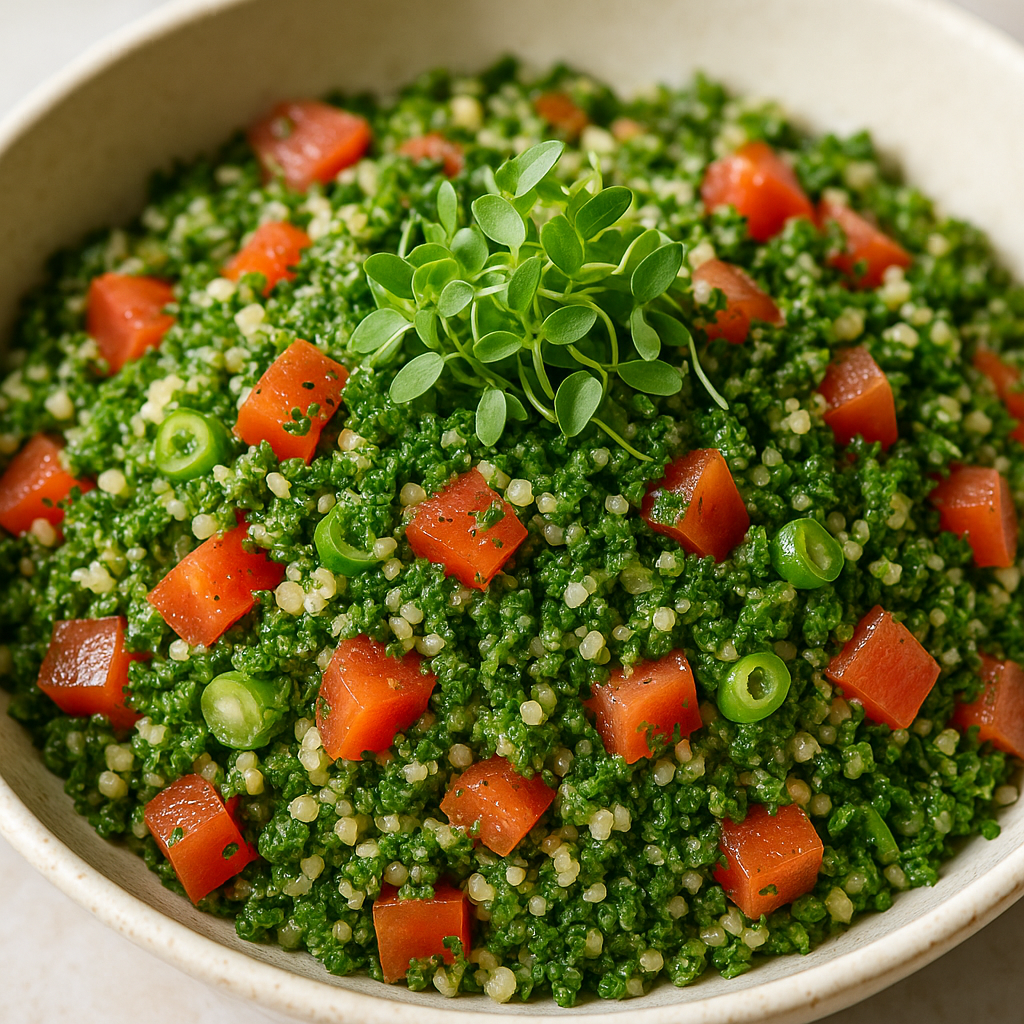
ChefPax Recipes
ChefPax recipe
15 min
Classic Lebanese tabbouleh made with fine bulgur, tomatoes, and parsley microgreens instead of whole-leaf parsley for an ultra-concentrated herb flavor.
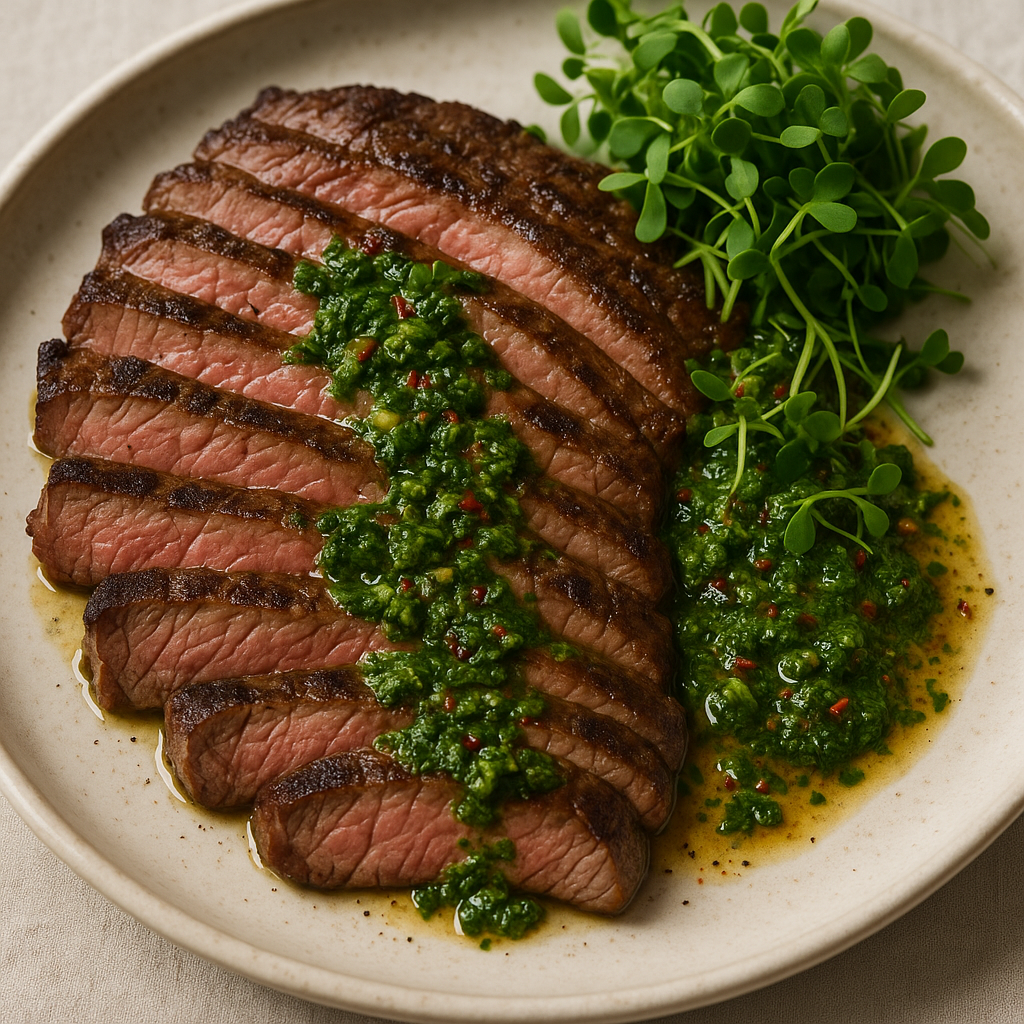
ChefPax Recipes
ChefPax recipe
20 min
Grilled flank steak with a fresh chimichurri made from parsley microgreens — a faster, more intensely flavored take on the classic sauce.
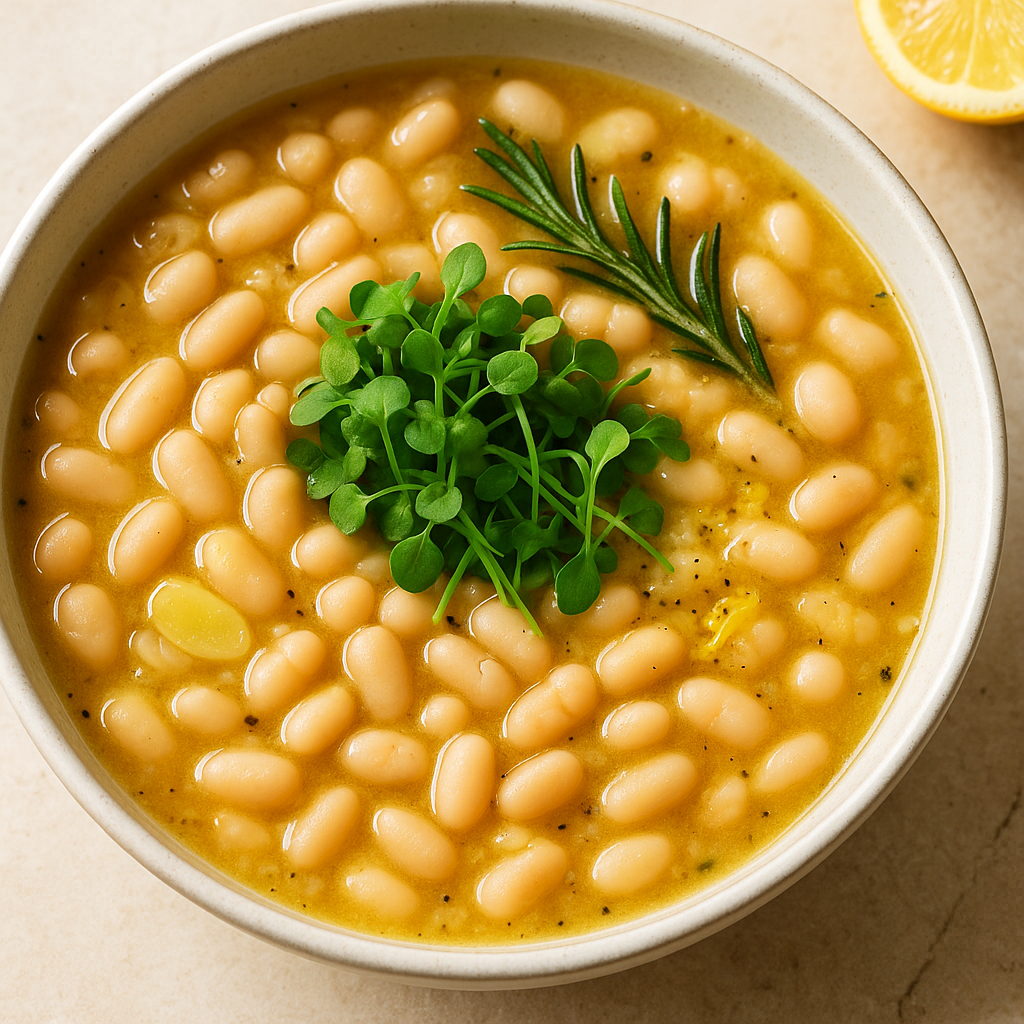
ChefPax Recipes
ChefPax recipe
25 min
Hearty Tuscan-style white bean soup with garlic, rosemary, and lemon, finished with a handful of raw parsley microgreens for freshness.
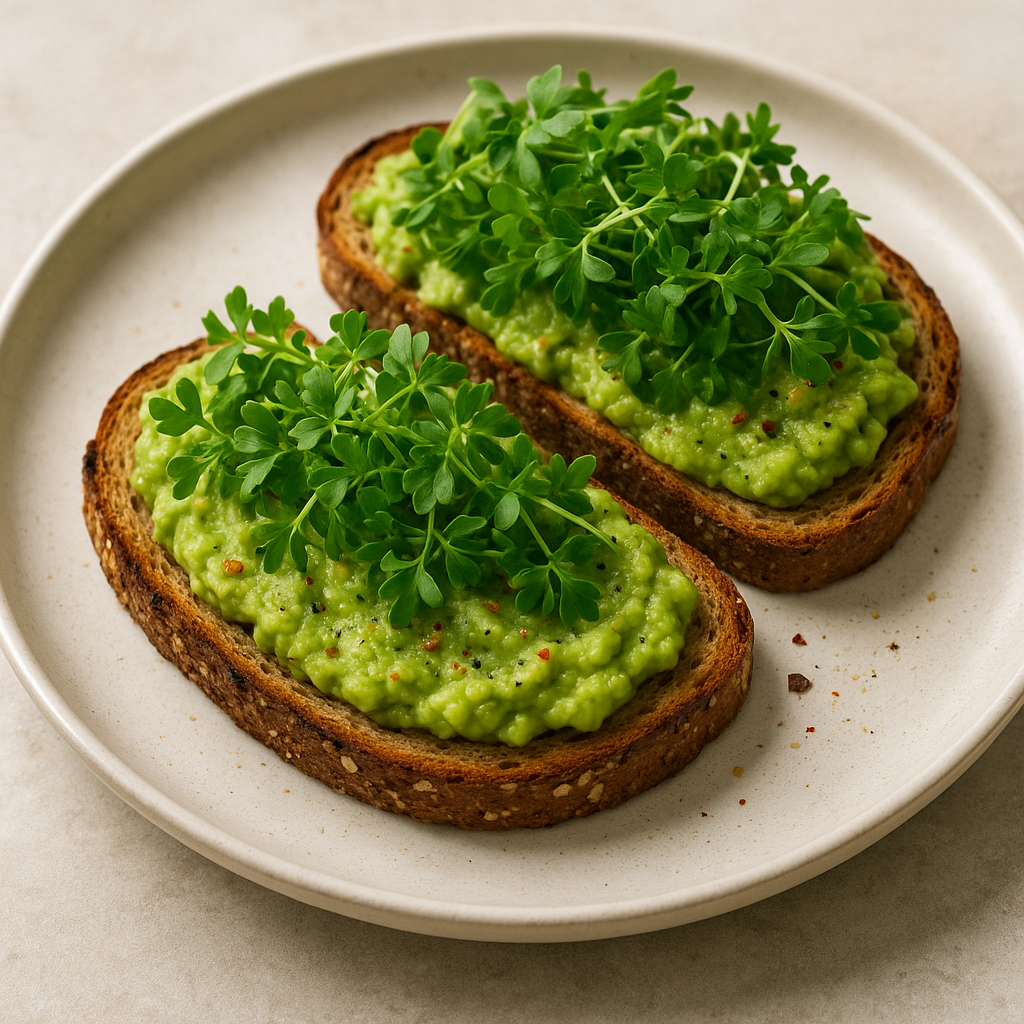
ChefPax Recipes
ChefPax recipe
10 min
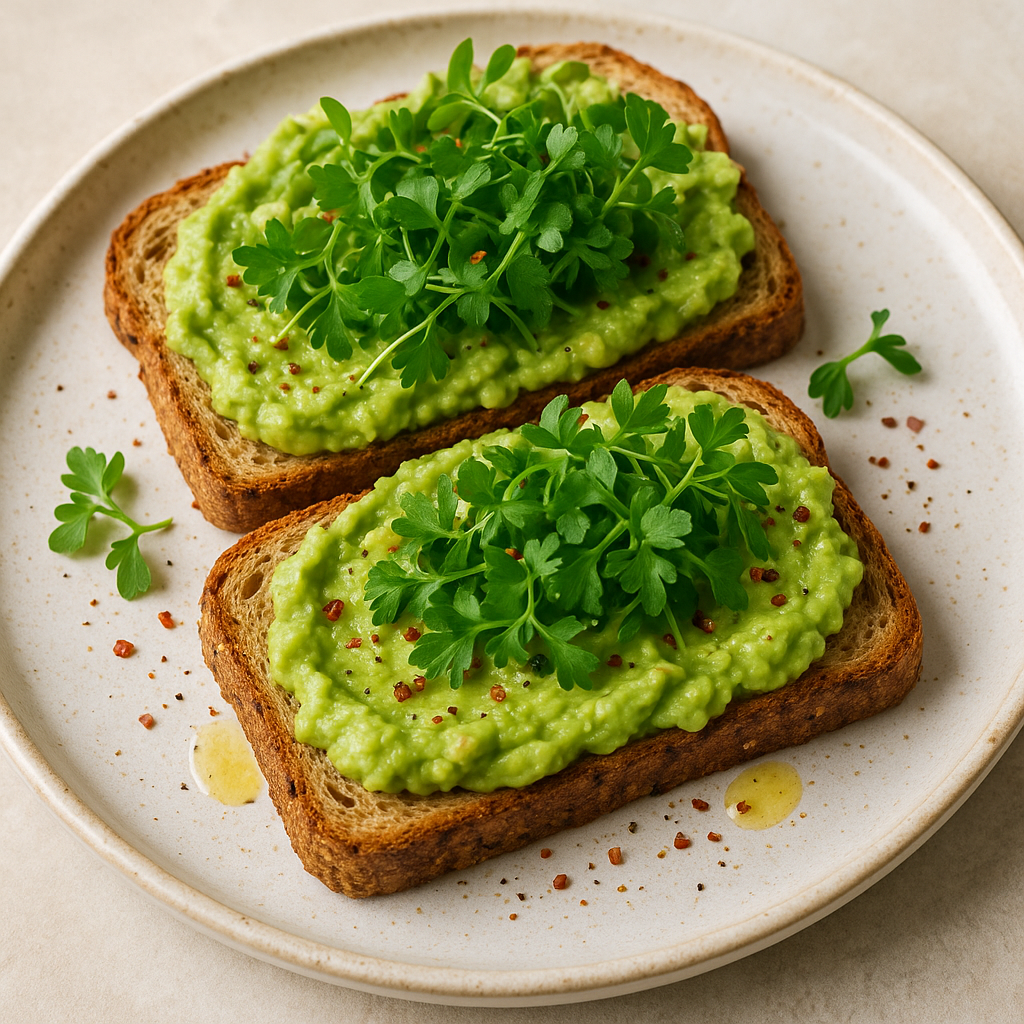
A trendy, nutrient-rich avocado toast topped with parsley microgreens that brings freshness and flavor to your breakfast or snack. Inspired by the fresh ingredients celebrated at The Lighthouse Restaurant & Lounge.
ChefPax Recipes
ChefPax recipe
10 min
This trendy avocado toast is elevated with the addition of parsley microgreens for a burst of flavor and nutrition.
ChefPax Recipes
ChefPax recipe
25 min
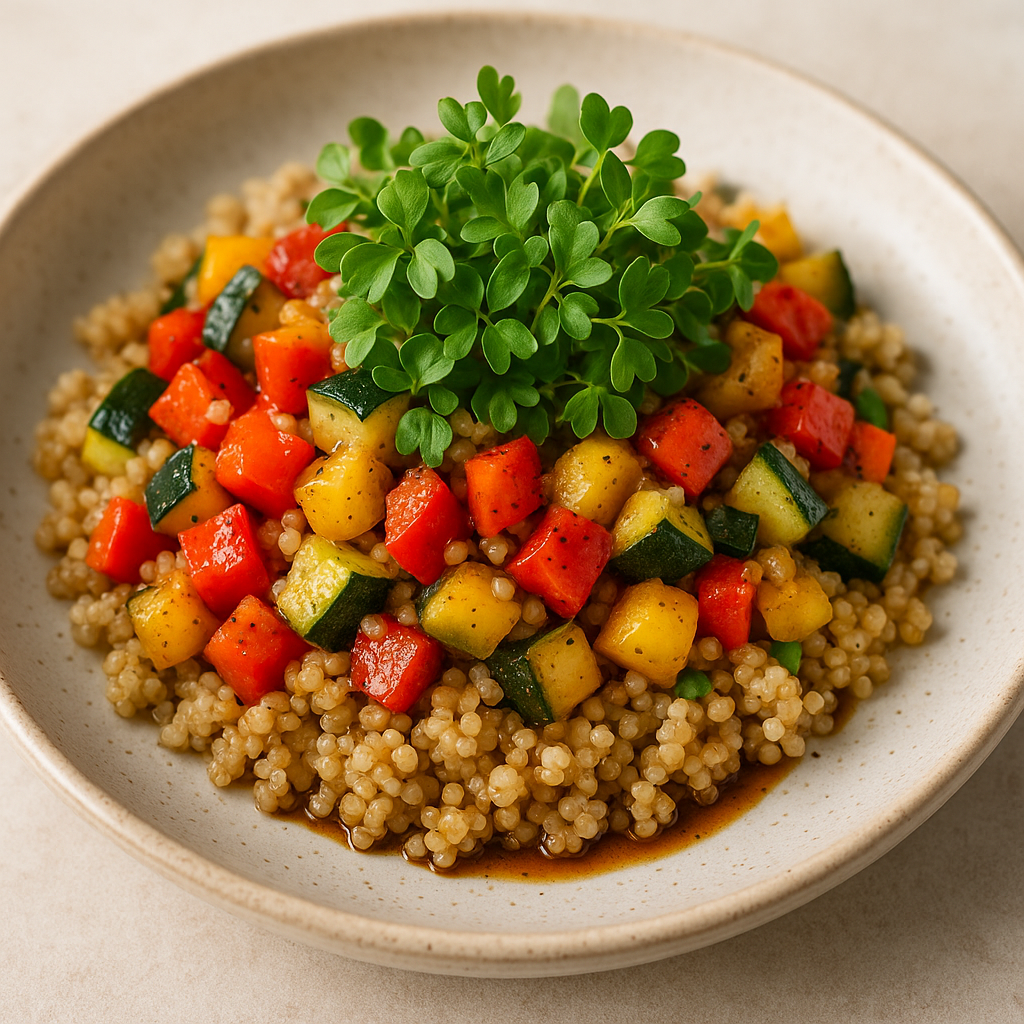
A wholesome quinoa bowl featuring parsley microgreens, roasted veggies, and a tasty dressing for a nutritious meal.
ChefPax Recipes
ChefPax recipe
25 min
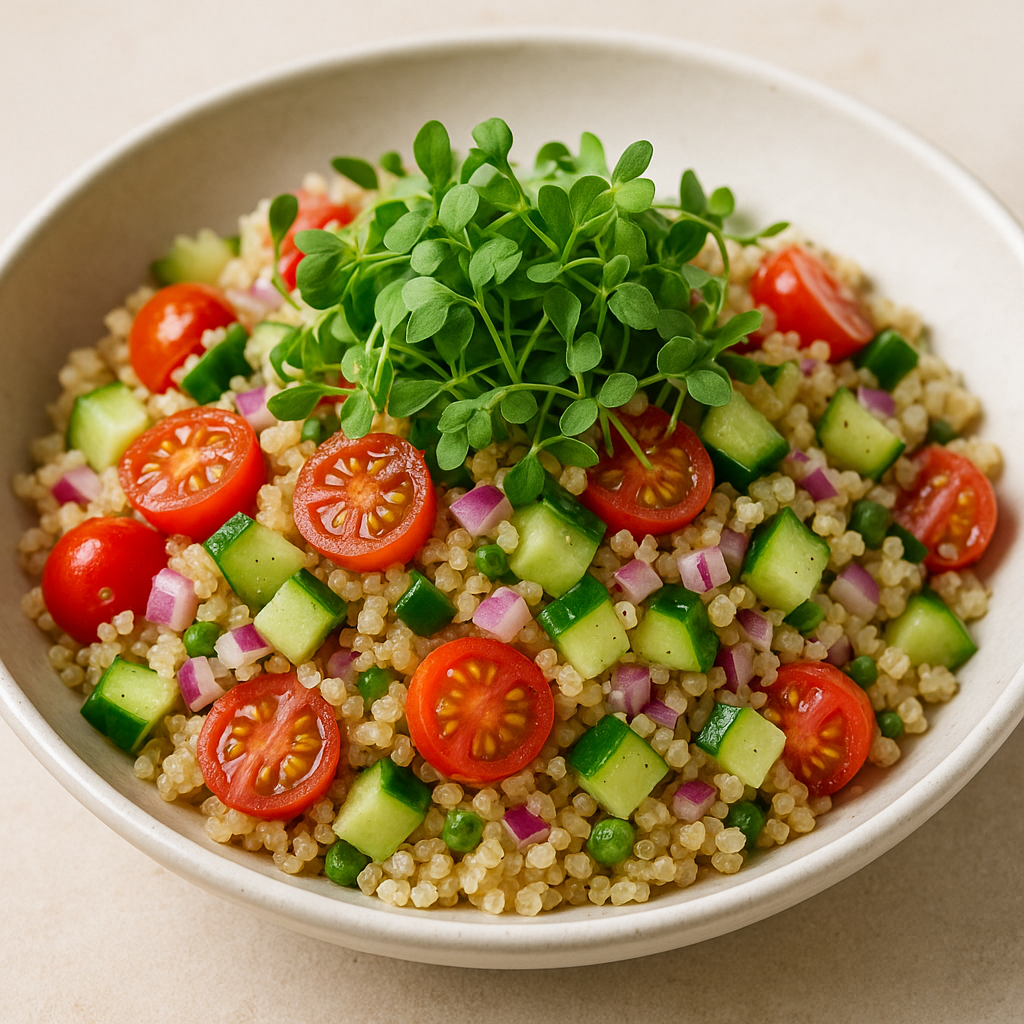
This colorful quinoa salad combines the nutty flavor of quinoa with the freshness of parsley microgreens, perfect for a nutritious lunch or light dinner.
ChefPax Recipes
ChefPax recipe
10 min
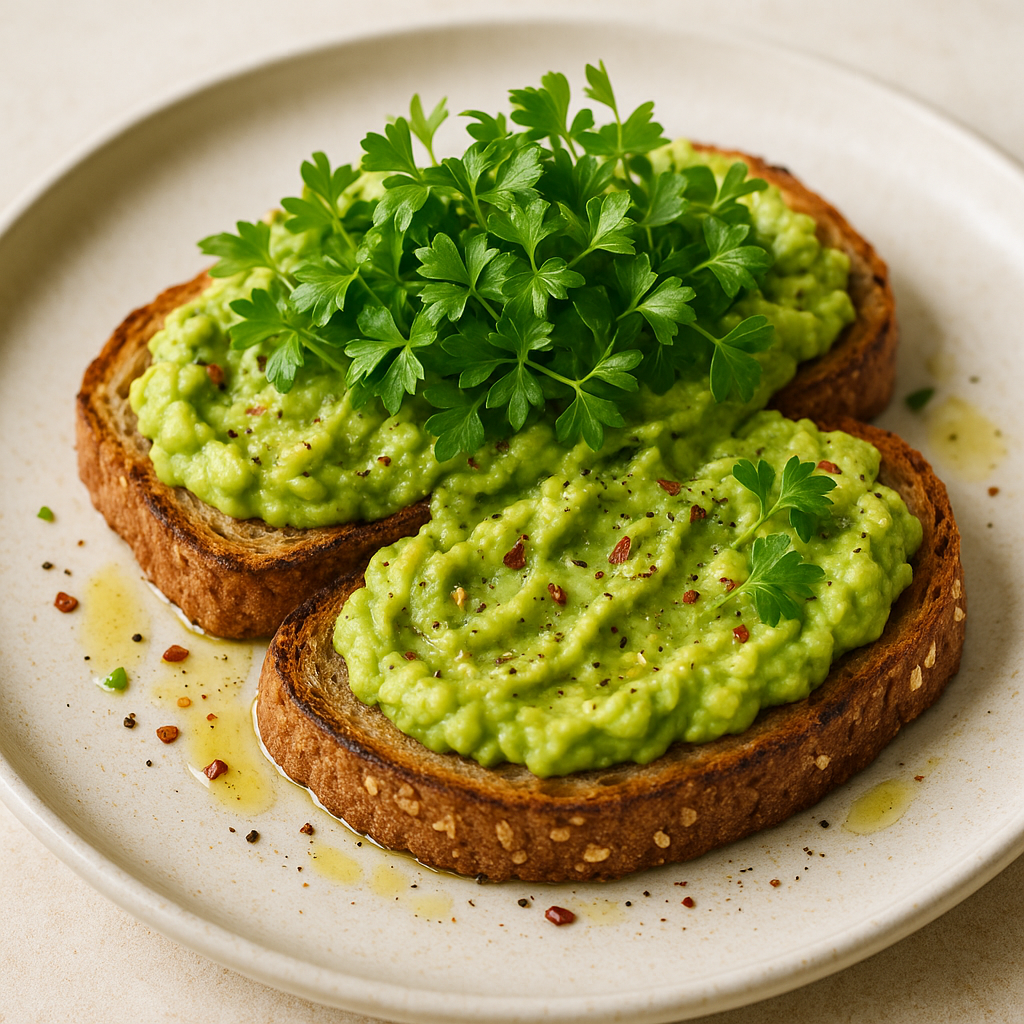
This simple yet gourmet avocado toast is elevated with the addition of parsley microgreens, offering a fresh and nutritious start to your day.
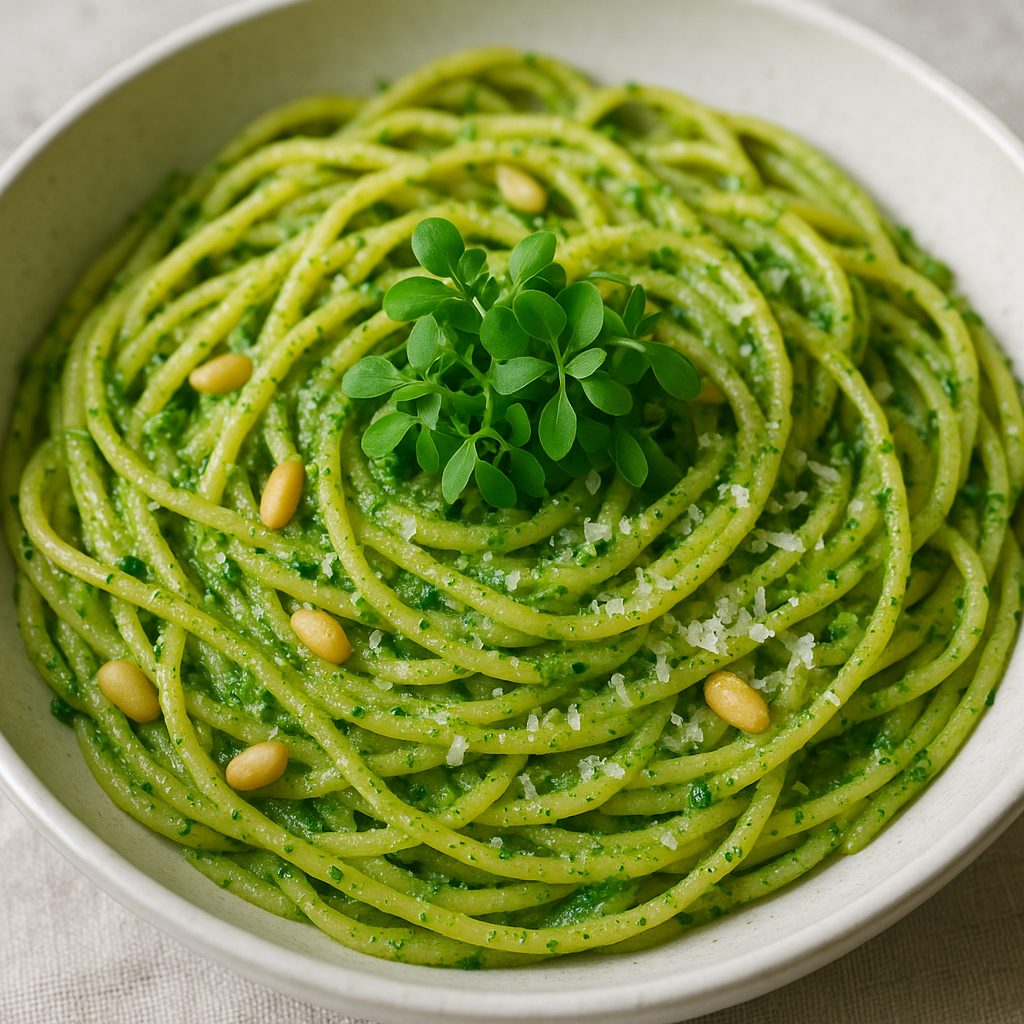
ChefPax Recipes
ChefPax recipe
20 min
This vibrant pasta dish brings a fresh twist to traditional pesto by highlighting the bright flavors of parsley microgreens, creating a healthy and delicious meal.
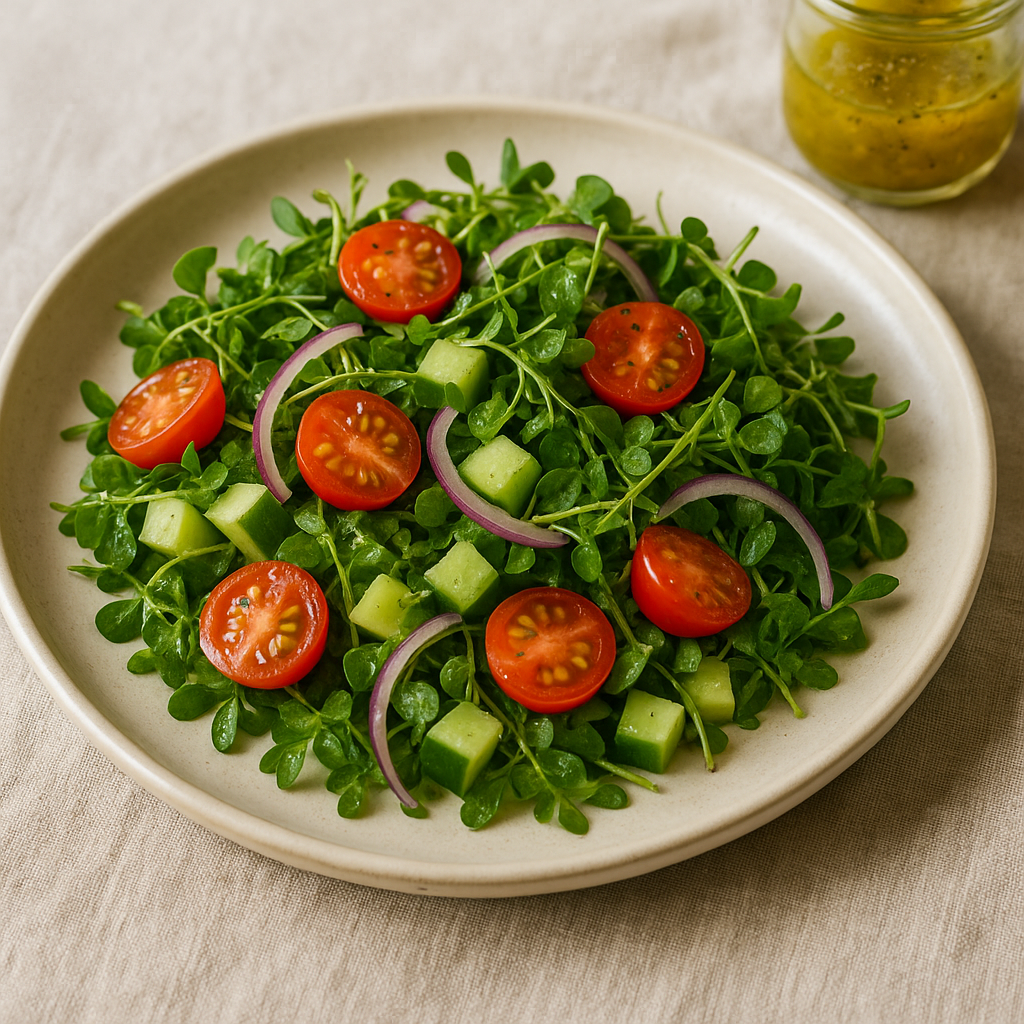
ChefPax Recipes
ChefPax recipe
15 min
This refreshing salad highlights the bright flavors of parsley microgreens, paired with a tangy lemon vinaigrette for a burst of freshness. Inspired by seasonal ingredients celebrated at The Lighthouse Restaurant & Lounge.
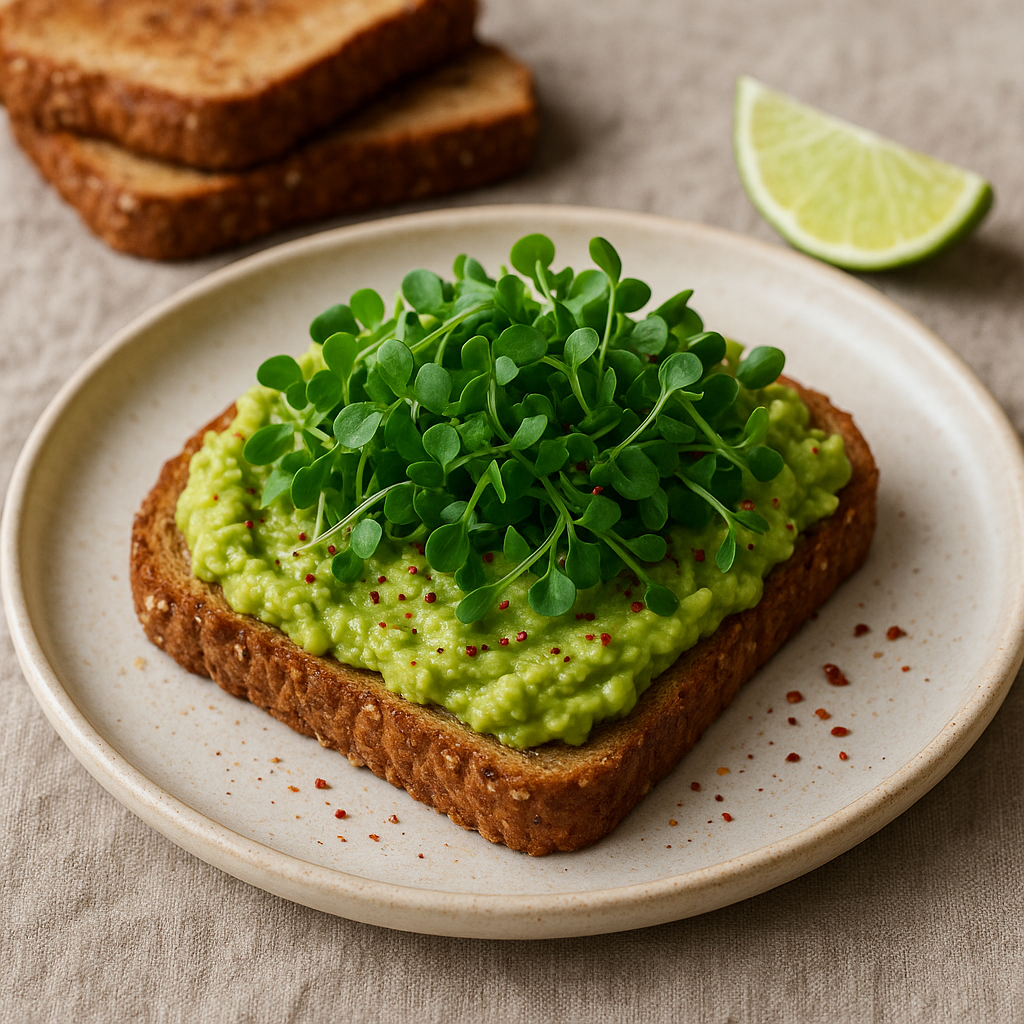
ChefPax Recipes
ChefPax recipe
10 min
This open-faced toast combines creamy avocado with fresh parsley microgreens, creating a nutritious and satisfying breakfast or snack option. A nod to the fresh ingredients highlighted at Verde's Mexican Parrilla.
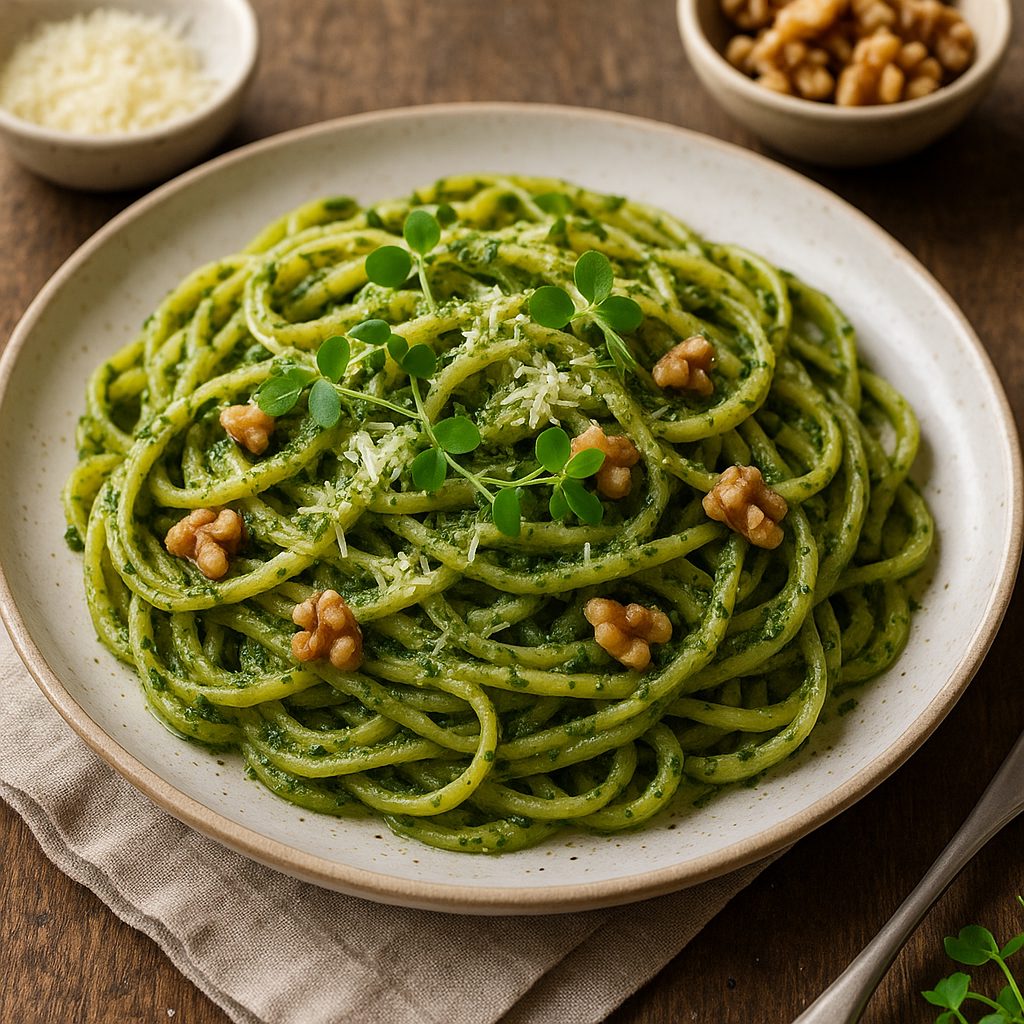
ChefPax Recipes
ChefPax recipe
25 min
This pasta dish features a unique pesto made with parsley microgreens, offering a fresh twist on a classic favorite. Inspired by the vibrant flavors of Italian cuisine found at Trattoria Lisina.
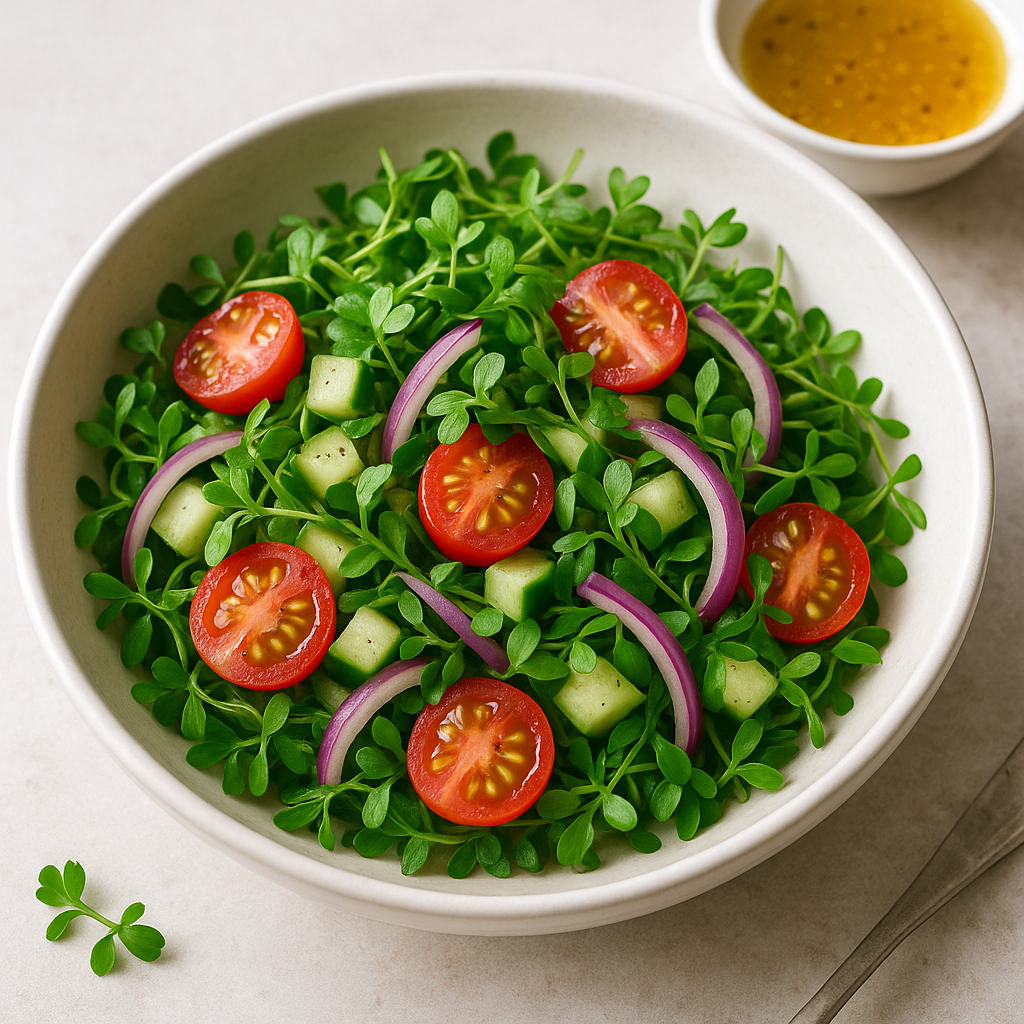
ChefPax Recipes
ChefPax recipe
15 min
This refreshing salad combines the vibrant flavor of parsley microgreens with a tangy citrus dressing, perfect for a light lunch or side dish.
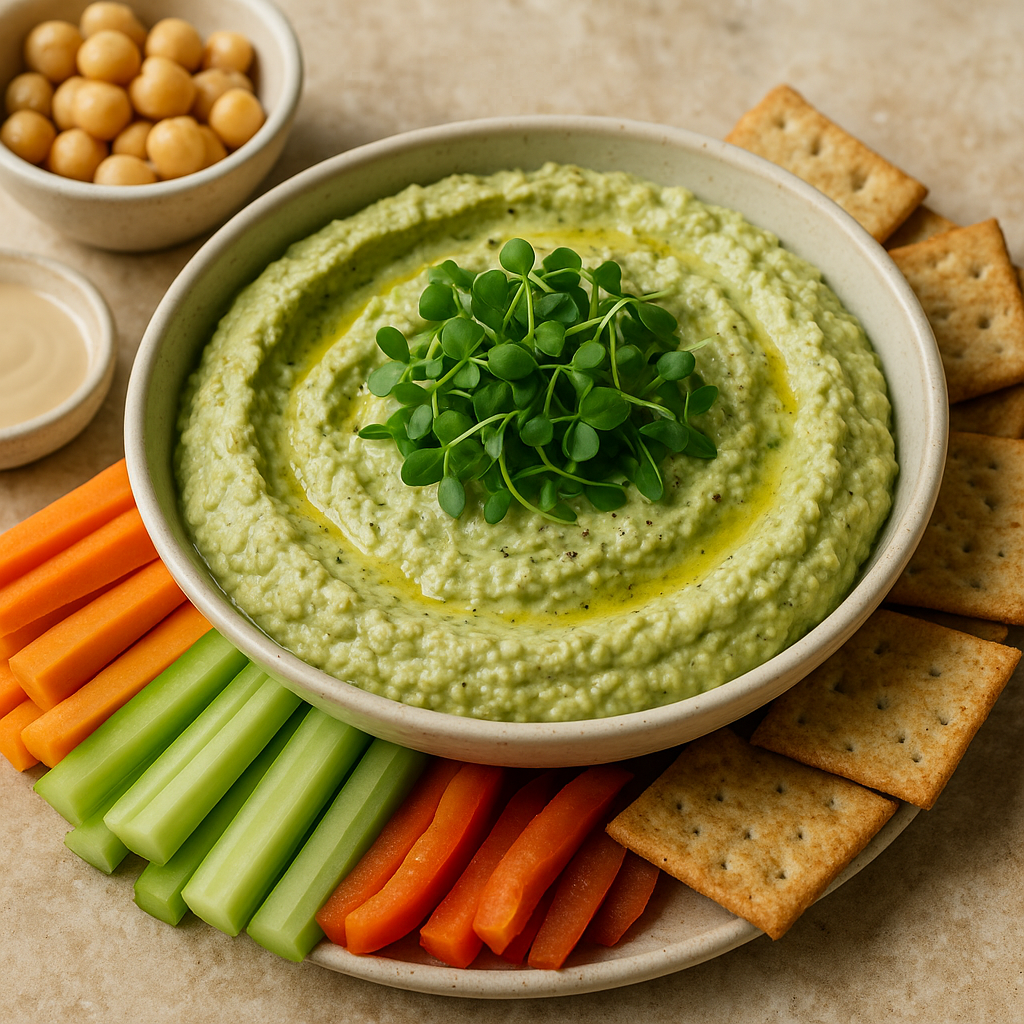
ChefPax Recipes
ChefPax recipe
15 min
This creamy dip combines chickpeas and parsley microgreens for a nutritious snack that's perfect for gatherings. Inspired by the vibrant flavors seen at Verde's Mexican Parrilla.
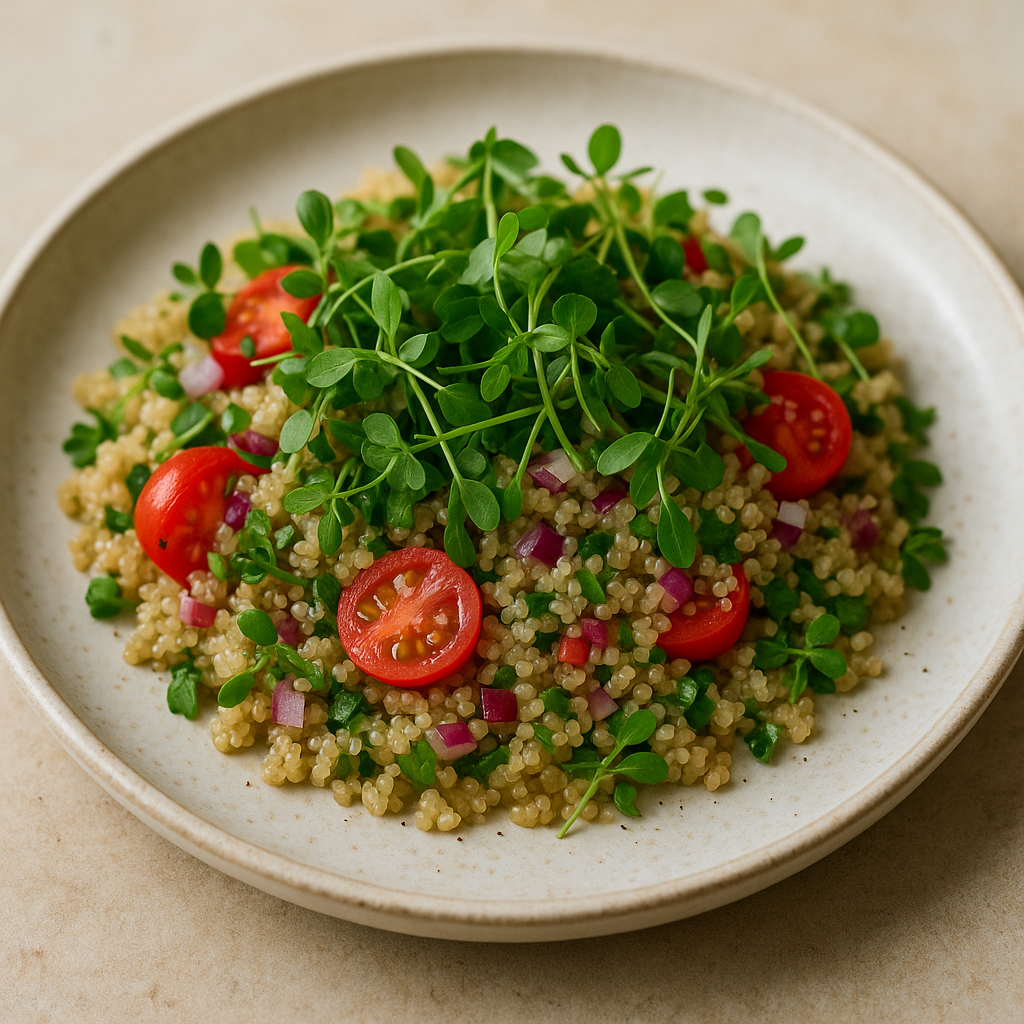
ChefPax Recipes
ChefPax recipe
20 min
This vibrant quinoa salad is packed with fresh parsley microgreens, offering a zesty, nutritious twist perfect for any occasion. Inspired by the fresh flavors found at Trattoria Lisina.
Slightly stronger — the essential oil concentration is higher in microgreens than in mature leaves, so you get more aromatic intensity per gram. Use a little less than you would mature flat-leaf parsley and adjust to taste. Most people find the flavor very clean and bright — less flat than store-bought bunches.
Yes, but cooking degrades the volatile oils that make parsley aromatic. Use parsley microgreens raw as a finishing garnish for maximum flavor impact. If adding to a sauce, add them right at the end, off the heat.
Parsley microgreens work in any recipe calling for fresh flat-leaf parsley. Try them in a grain bowl with lemon and olive oil, as a garnish on shakshuka, or blended into a quick chimichurri. Our broccoli microgreens recipes are a good starting point for Mediterranean-style applications.
Parsley and parsley microgreens share the same aromatic and phytochemical profile, with research focused on the flavonoid apigenin, vitamin K content, and folate. They are used as a fresh finishing element on proteins, pastas, and composed plates.
• Parsley and parsley microgreens have been studied for flavonoid content, particularly apigenin, which is present in both mature and microgreen forms.
moderate evidence• Parsley is a recognized dietary source of vitamin K and folate, with microgreen concentrations studied in the broader microgreens nutrition literature.
moderate evidence• Aromatic and flavor characteristics in parsley microgreens vary by variety and harvest stage.
strong evidence1. Assessment of Vitamin and Carotenoid Concentrations of Emerging Food Products: Edible Microgreens — Journal of Agricultural and Food Chemistry, 2012
2. Microgreens: Production, Shelf Life, and Bioactive Components — Critical Reviews in Food Science and Nutrition, 2017
3. Yield performance, mineral profile, and nitrate content in a selection of seventeen microgreen species — Frontiers in Plant Science, 2023
4. Specialty Greens Pack a Nutritional Punch — USDA Agricultural Research Service, 2014
Pick a plating goal and ChefPax will shape a tasting set around flavor, texture, and service use.
I'm plating seafood
Aromatic, citrus-friendly herbs for crudo, oysters, salmon, white fish, and raw bar plates.
Bronze Fennel
anise aroma and feathery heightCurled Chervil
soft French-herb liftPea Shoots
sweet height and clean stemsShiso
Japanese aromatic contrastWhat are you making? Get a reviewed pairing grounded in what ChefPax can actually supply.
Browse ChefPax by the way chefs actually choose garnish: dish, service context, and flavor job.
Best microgreens for seafood
The best microgreens for seafood are bronze fennel, curled chervil, pea shoots, and shiso because they add aroma, height, and freshness without overwhelming delicate fish.
Best microgreens for steak
The best microgreens for steak are Chinese Mahogany, radish, wasabi mustard, and nasturtium because they cut richness with savory depth, pepper, or mustard-like heat.
Best garnish crops for cocktails
The best garnish crops for cocktails are bronze fennel, lemon basil, nasturtium, and shiso because they bring aroma and visual precision to the rim or glass.
Best mild microgreens for sandwiches
The best mild sandwich greens are alfalfa sprouts, broccoli microgreens, sunflower, and pea shoots because they add texture without dominating the filling.
Best specialty crops for chefs
The best ChefPax specialty crops for chefs are Chinese Mahogany, bronze fennel, curled chervil, shiso, nasturtium, and red amaranth.
Best herbs for French plating
The best microgreen herbs for French plating are curled chervil, bronze fennel, parsley, and sorrel because they bring restrained aroma and clean finishing flavor.
Best crops for spicy dishes
The best crops for spicy dishes are Rambo radish, wasabi mustard, nasturtium, and cilantro because they add heat, brightness, or fresh herbal contrast.
Looking for something else?
All ChefPax recipes →