Cucumis melo

Cantaloupe microgreens are among the rarest and most visually striking varieties in the microgreen world. Grown from Cucumis melo — the same species as the cantaloupe you eat in slices — these thick-stemmed, fleshy cotyledon-stage greens carry a mild, fresh sweetness with subtle melon and cucumber undertones. They're harvested in 10–14 days, making them one of our longer-growing specialty varieties.
At ChefPax, we offer cantaloupe in both 5×5 and 10×20 live trays. Seeds are pre-soaked for 4–6 hours and germinated under a weighted dome at 75–80°F — warmer than most microgreens require — to coax even germination from the large seeds. We maintain strong airflow through the light phase to help the seed hulls release cleanly.
Cantaloupe microgreens have become a favorite among Austin chefs for fine dining applications — a few stems on a dessert plate or fish crudo transform the visual entirely. Their mild flavor means they don't compete with the dish; they frame it. For home cooks, they're a conversation starter at dinner parties and a genuinely novel ingredient that's hard to find anywhere else in Austin.
Cantaloupe Microgreens are a ChefPax microgreen crop grown near Austin for dessert plates, chef plating, and home cooking. They are selected for concentrated flavor, texture, and cut-to-order freshness.
Cantaloupe Microgreens are part of the ChefPax crop library for chefs, restaurants, and home cooks in Austin, Texas. Cantaloupe microgreens taste mild, fresh, and subtly sweet with melon and cucumber undertones. The flavor is far more delicate than a ripe cantaloupe — think of the clean, cool quality of cucumber with a whisper of melon in the background. The stems are thick and fleshy with soft cotyledons, giving a unique texture that's more substantial than most microgreens. In the kitchen, they work especially well with Dessert plates, Fish crudo and ceviche, Charcuterie boards wrapped with prosciutto or serrano ham, Fruit salads as a fresh microgreen accent. ChefPax focuses on crop-specific handling, fresh delivery, and practical culinary use so buyers can choose the right tray by flavor, texture, and service context.
Move from recipe inspiration to ordering: choose a smaller chef tray for trials or a 10x20 format for service volume.
Melon — 5×5 Tray
mild, fresh flavor with subtle melon and cucumber notes
Melon — 10×20 Tray
mild, fresh flavor with subtle melon and cucumber notes
Cantaloupe provide a more concentrated crop-specific flavor and a smaller finishing format than standard salad greens.
Cantaloupe microgreens taste mild, fresh, and subtly sweet with melon and cucumber undertones. The flavor is far more delicate than a ripe cantaloupe — think of the clean, cool quality of cucumber with a whisper of melon in the background. The stems are thick and fleshy with soft cotyledons, giving a unique texture that's more substantial than most microgreens.
Cantaloupe microgreens contain cucurbitacins — bioactive compounds found in the Cucurbit family with studied antioxidant properties. They're also a source of vitamins A and C, potassium, and beta-carotene. The microgreen form concentrates these nutrients at a stage when the seedling's energy reserves are highest.
For a deeper look at vitamins and phytonutrients studied across varieties, see the microgreens nutrition guide.
Use the flavor wheel as a chef-facing shortcut from taste to products, recipes, and pairings.
Anise / licorice
Flavor pathSweet aromatic herbs for seafood, cocktails, eggs, and cream sauces.
Your ChefPax cantaloupe tray arrives with living roots intact. Keep at room temperature in indirect light. Cantaloupe microgreens are more delicate than brassicas — handle gently when snipping. Water sparingly at the base; these are moisture-sensitive. Trays stay harvest-ready for 5–7 days. If you're using the 5×5 tray for garnish, snip to order — cantaloupe microgreens are best the moment they're cut.
Full storage tips — container types, fridge placement, and shelf life by crop — are in the microgreens storage guide.

ChefPax Recipes
ChefPax recipe
20 min
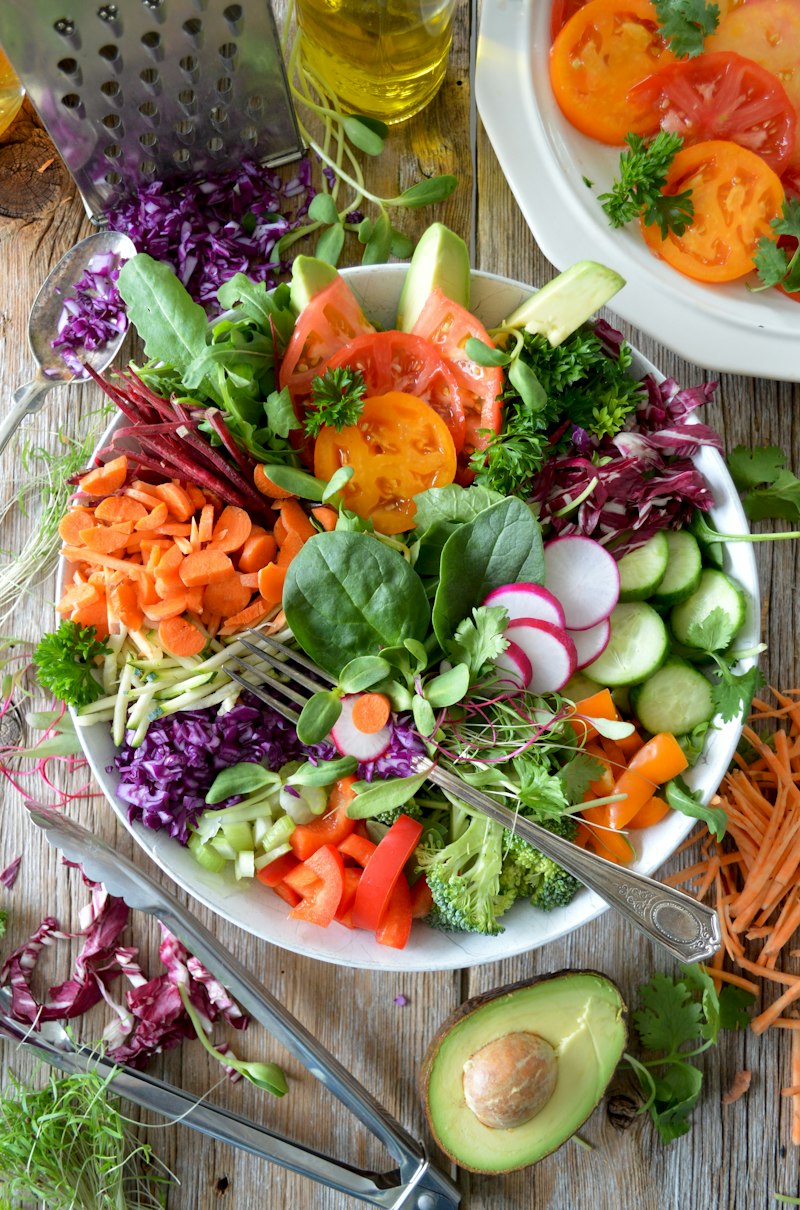
Sweet cantaloupe, prosciutto, fresh mozzarella, basil, mint, and pistachios with cantaloupe microgreens — an Italian summer salad that needs no cooking.
ChefPax Recipes
ChefPax recipe
20 min
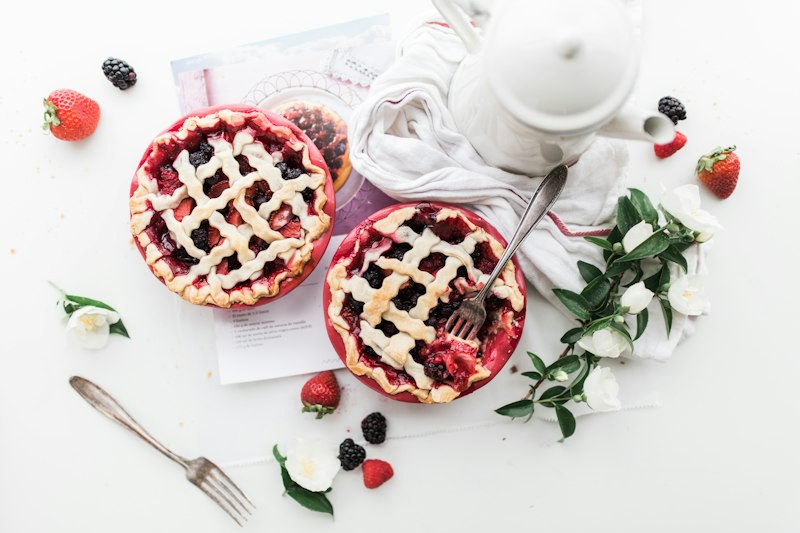
Crispy prosciutto with sweet cantaloupe, buttery avocado, creamy goat cheese, and candied pecans — cantaloupe microgreens added as a sweet garnish.
ChefPax Recipes
ChefPax recipe
10 min
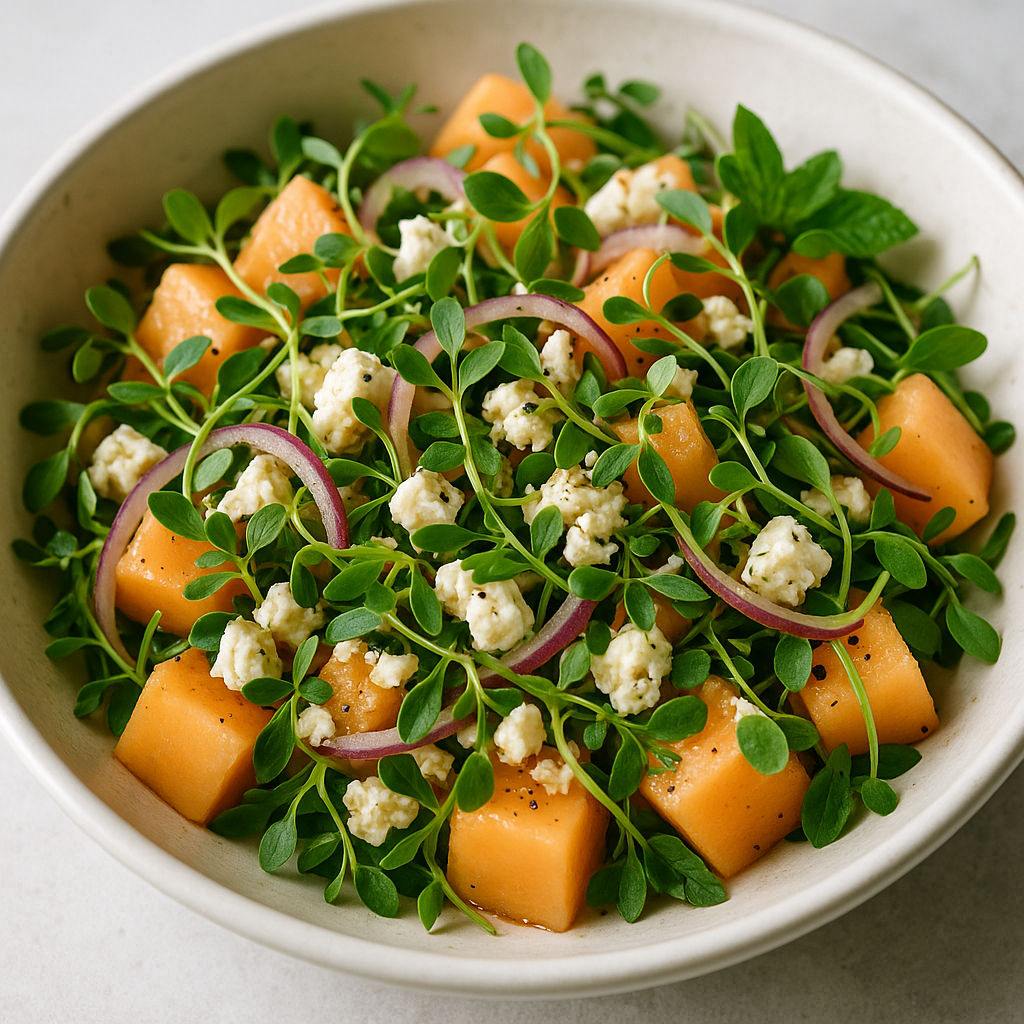
Three cups of sweet cantaloupe microgreens tossed with fresh strawberries, candied walnuts, and a blended strawberry-balsamic dressing.
ChefPax Recipes
ChefPax recipe
15 min
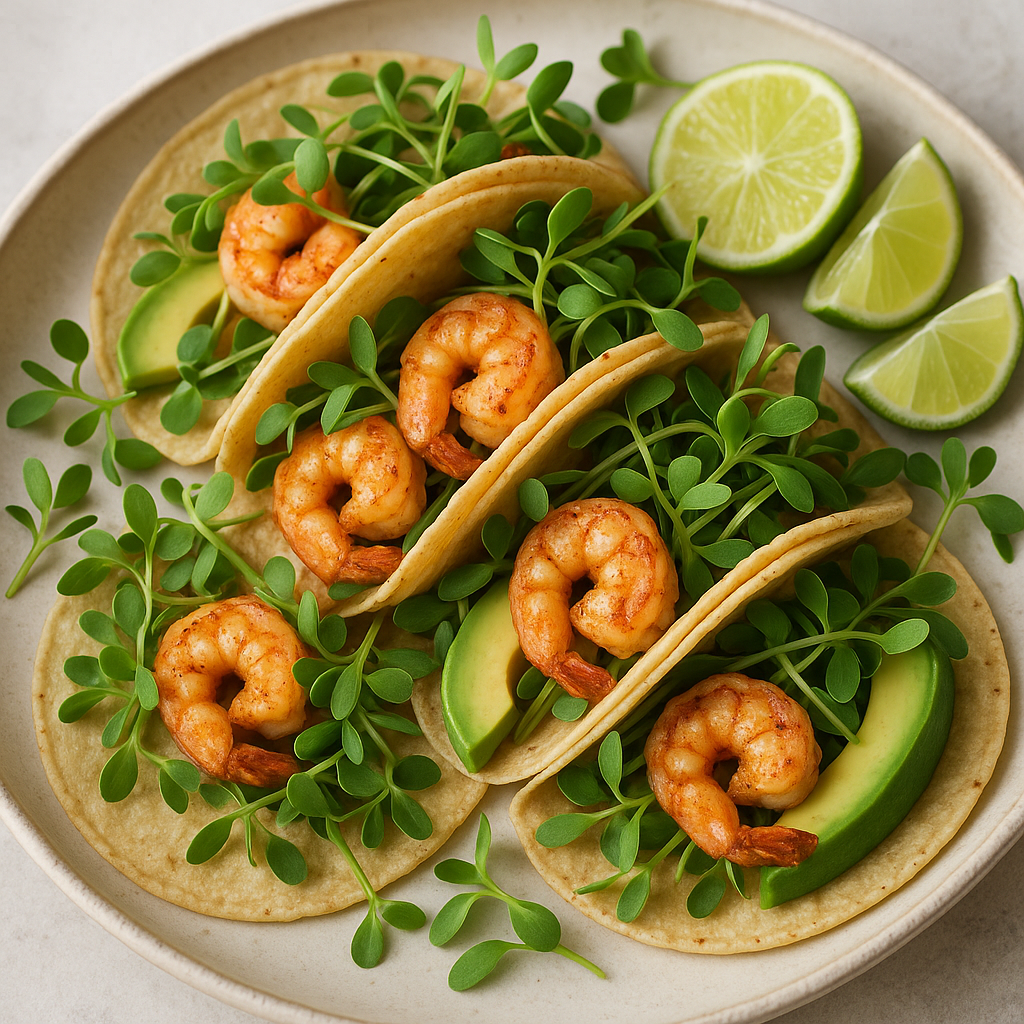
This refreshing salad combines the sweetness of cantaloupe with tangy feta, highlighting the unique flavor of cantaloupe microgreens. Inspired by the vibrant menus at Kome Austin.
ChefPax Recipes
ChefPax recipe
25 min
These vibrant shrimp tacos are topped with cantaloupe microgreens for a fresh twist, blending sweet and spicy flavors beautifully.
ChefPax Recipes
ChefPax recipe
20 min
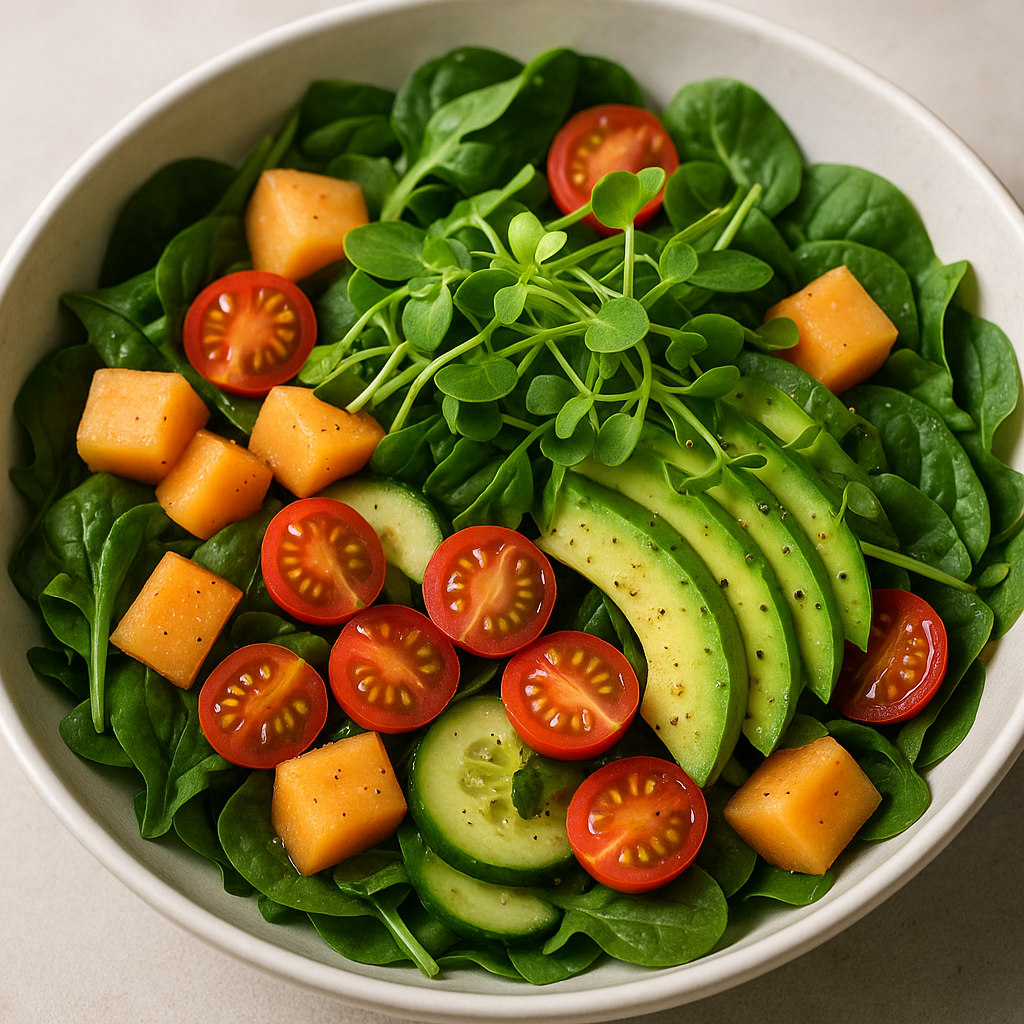
This colorful salad showcases cantaloupe microgreens paired with vibrant seasonal vegetables, creating a dish that is as nutritious as it is delicious. Inspired by the seasonal offerings at Komé Austin.
ChefPax Recipes
ChefPax recipe
15 min
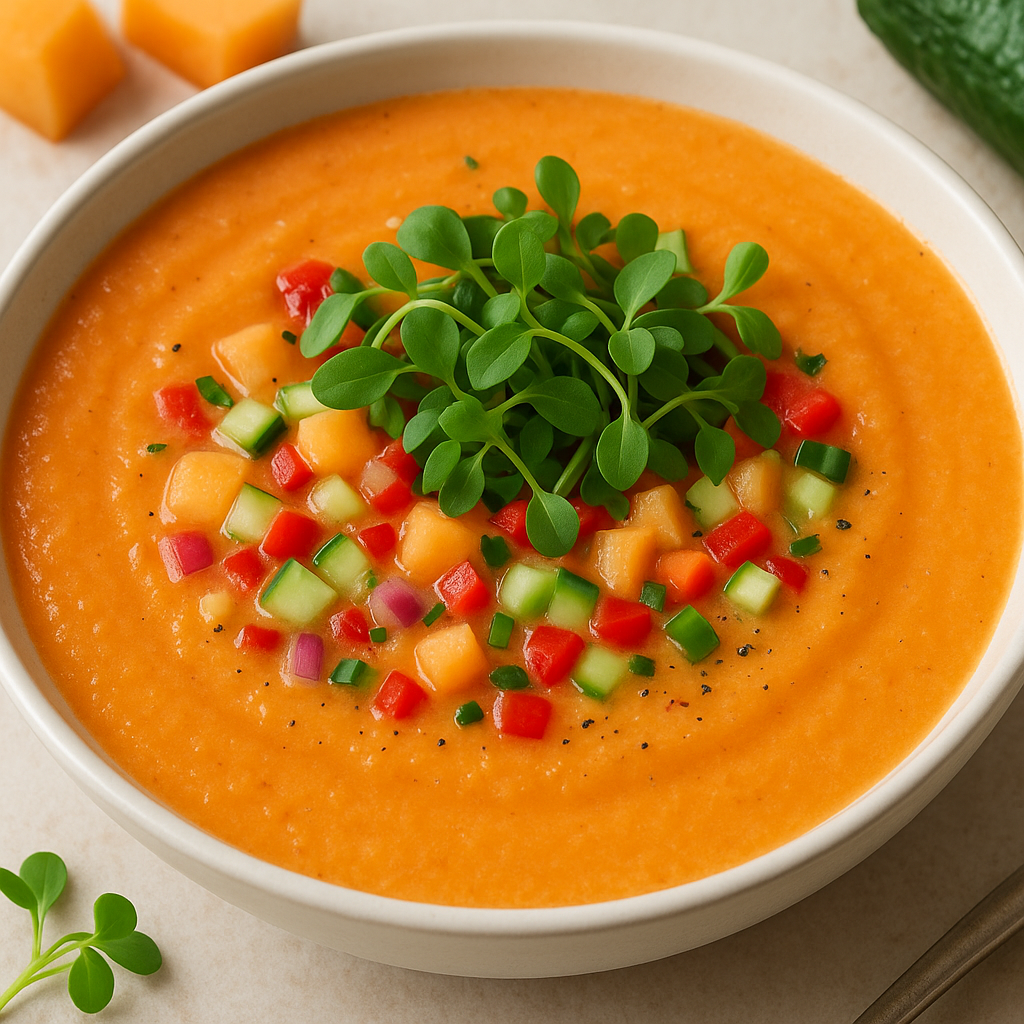
This refreshing gazpacho highlights the sweet and peppery notes of cantaloupe microgreens, inspired by the vibrant flavors often found at Komé Austin. Perfect for a hot day!
ChefPax Recipes
ChefPax recipe
15 min
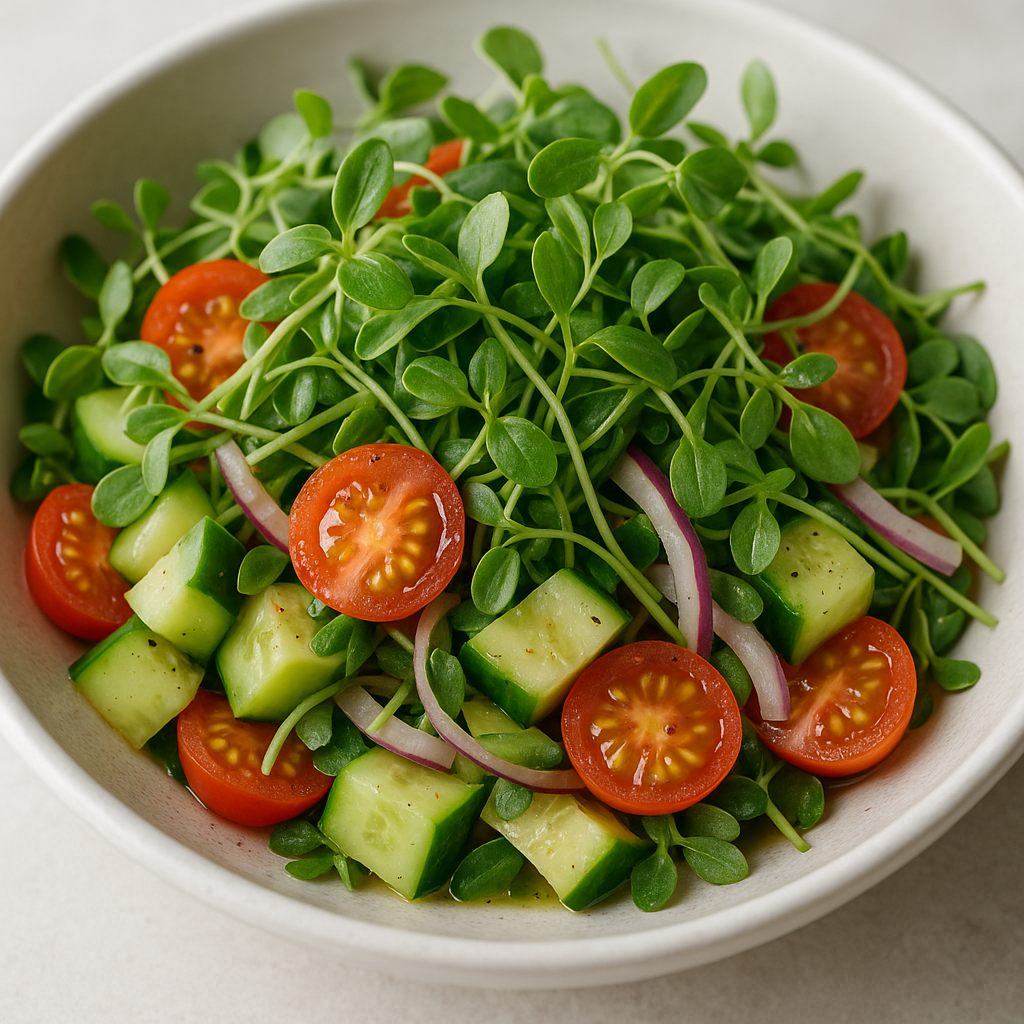
This vibrant salad combines the sweet flavor of cantaloupe microgreens with a zesty citrus dressing, inspired by fresh and modern culinary techniques.
ChefPax Recipes
ChefPax recipe
10 min
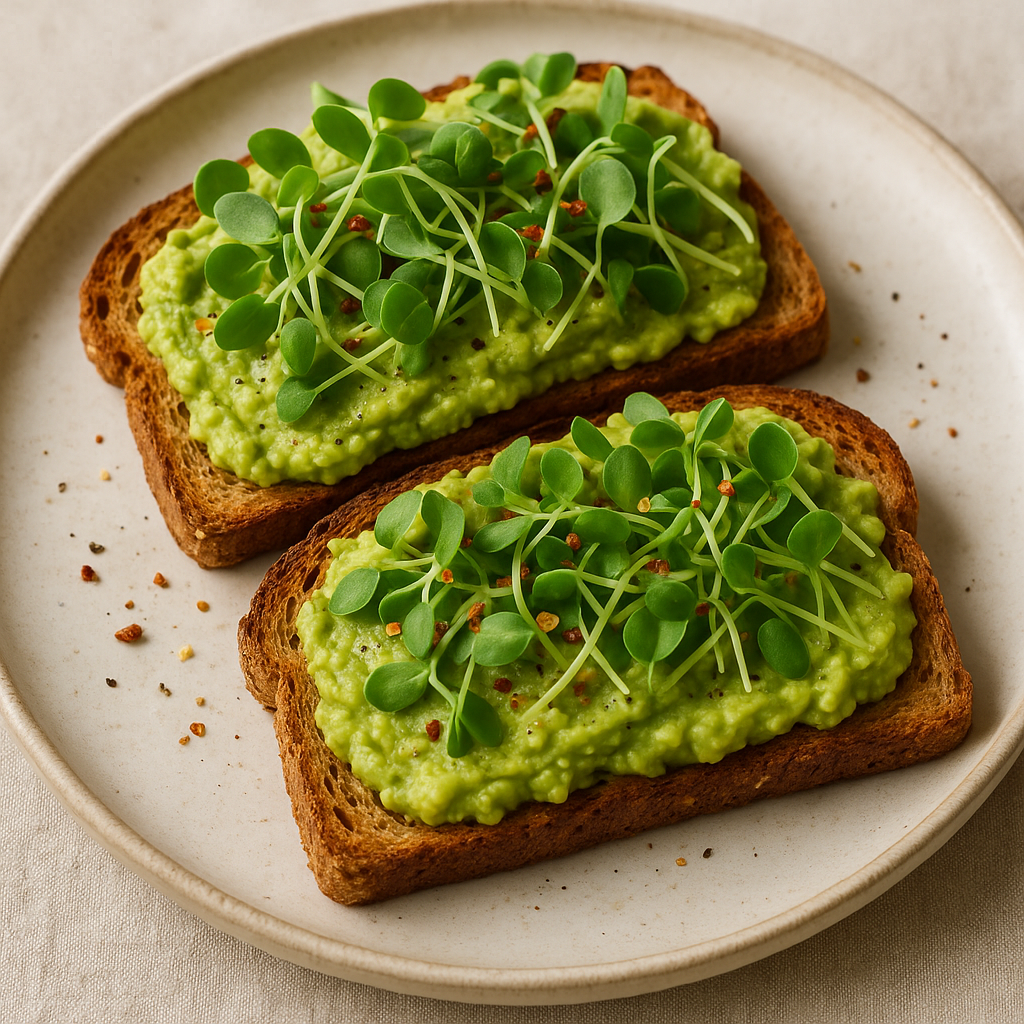
This trendy toast features creamy avocado and fresh cantaloupe microgreens for a delightful twist on a classic dish.
ChefPax Recipes
ChefPax recipe
10 min
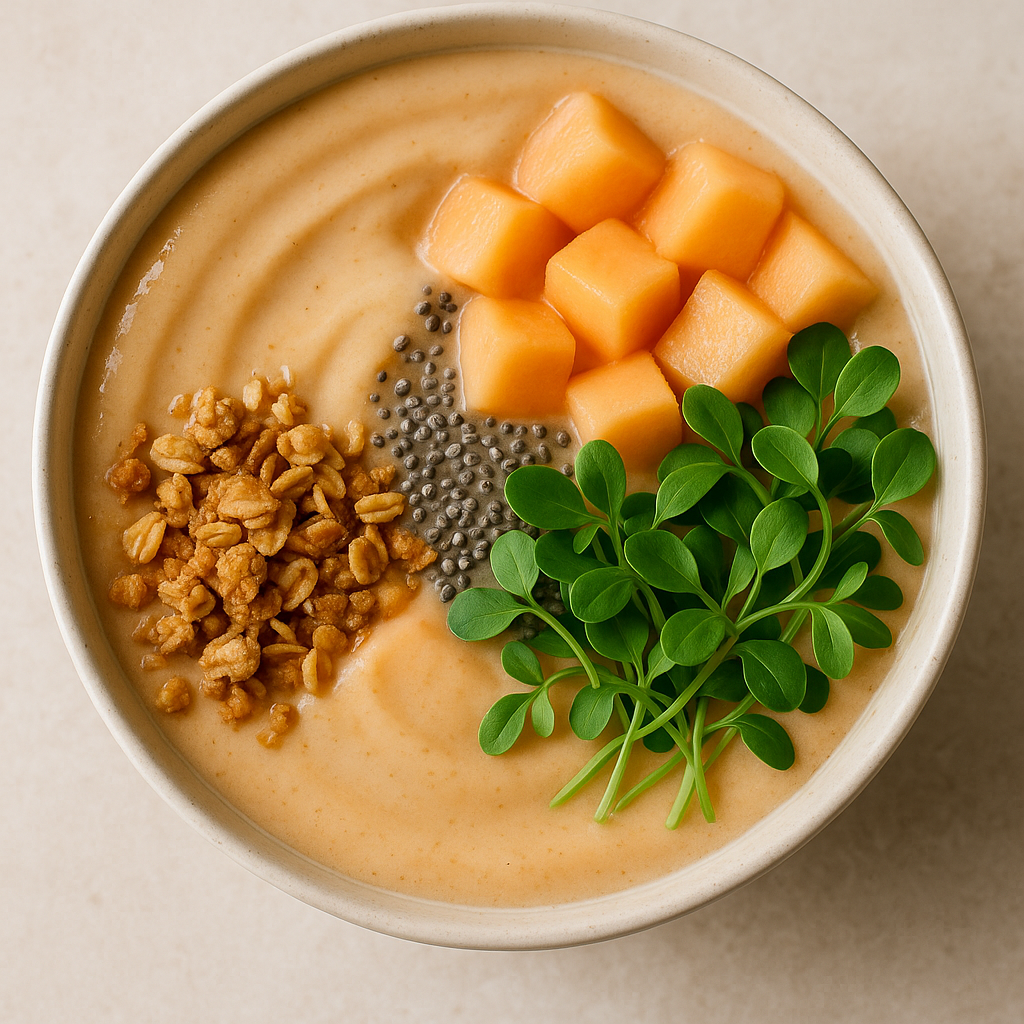
A refreshing and nutritious smoothie bowl topped with cantaloupe microgreens, offering a delightful blend of flavors and textures.
ChefPax Recipes
ChefPax recipe
25 min
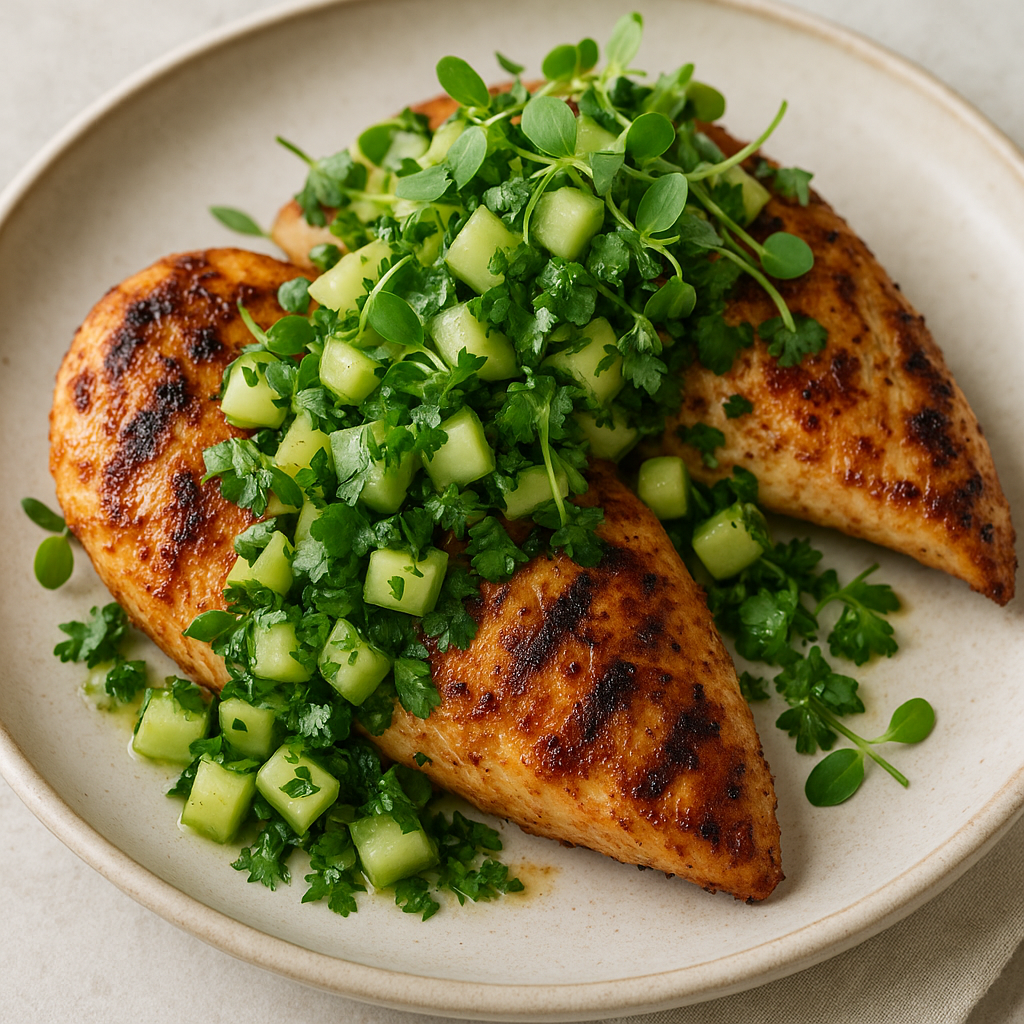
This dish features grilled chicken topped with a refreshing salsa made from cantaloupe microgreens, highlighting their delicate flavor and vibrant color.
ChefPax Recipes
ChefPax recipe
15 min
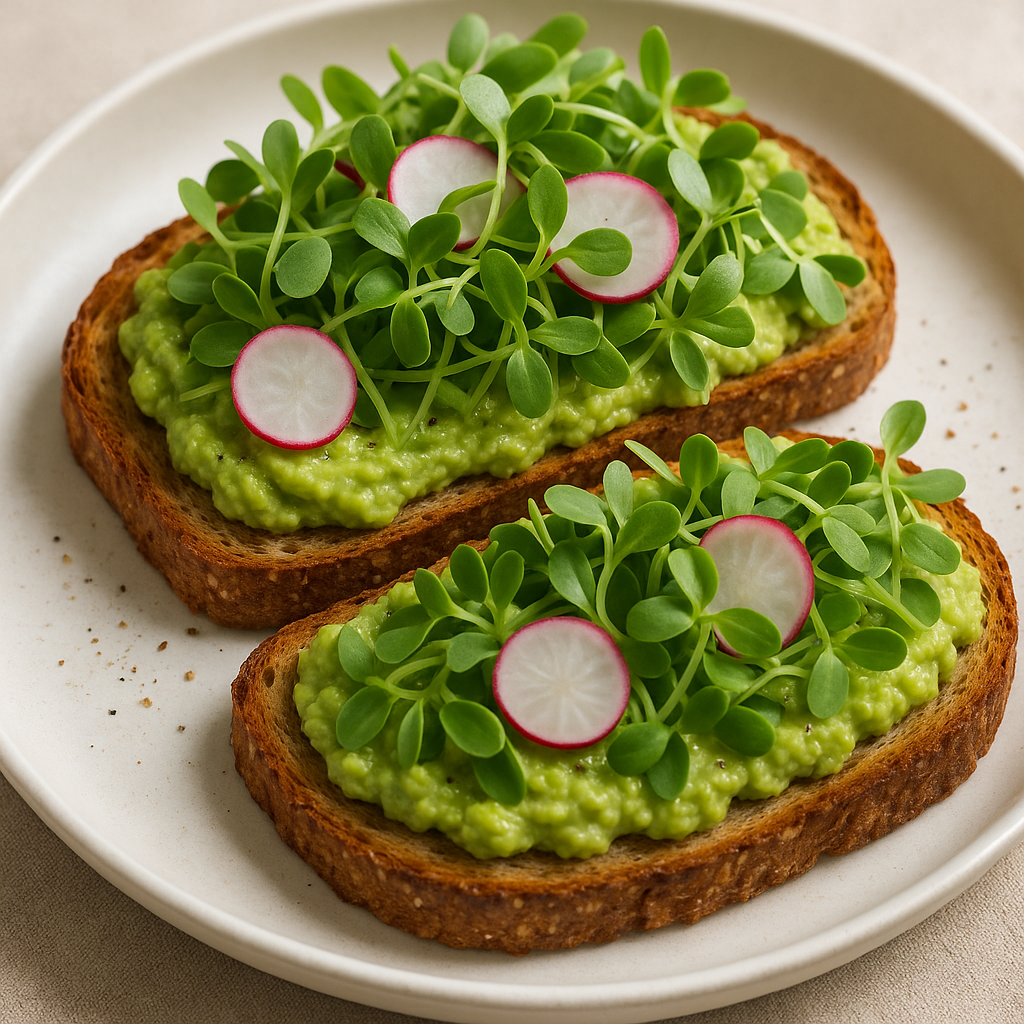
Elevate your breakfast with this creamy avocado toast topped with vibrant cantaloupe microgreens, providing a unique flavor and a nutritional boost.
ChefPax Recipes
ChefPax recipe
20 min
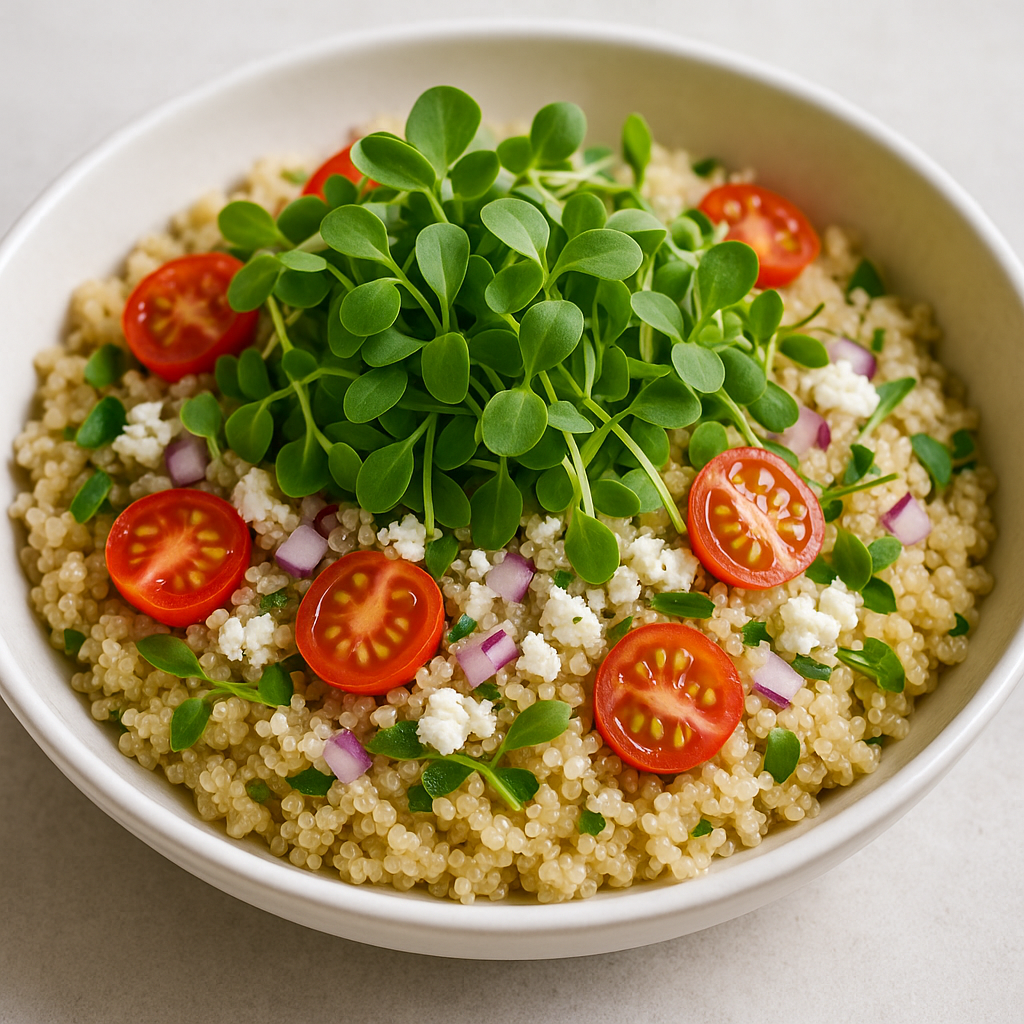
This vibrant salad combines the sweetness of cantaloupe microgreens with hearty quinoa, making it a refreshing and nutritious dish. Inspired by the modern, fresh approach seen at Kome Austin.
Cantaloupe microgreens taste mild, fresh, and subtly sweet — similar to cucumber with a gentle melon undertone. They're far more delicate than a ripe cantaloupe. The flavor is clean and neutral enough to pair with both sweet and savory dishes.
Yes — ChefPax offers cantaloupe microgreens in both 5×5 (ideal for restaurant garnish and small household use) and 10×20 (for larger production kitchens or households that use microgreens daily). The 5×5 is our most popular option for chef accounts who use them as a plating accent.
Cantaloupe microgreens are best used raw, snipped fresh right before plating. They shine on dessert plates (with chocolate, cream, or stone fruit), fish and seafood dishes, charcuterie boards wrapped in prosciutto, and as a cocktail garnish. Avoid heat — the delicate flavor and texture are lost quickly when cooked.
Microgreens are young edible plants harvested shortly after germination. Published research reports that nutrient and phytochemical concentrations vary substantially by species, seed source, growing conditions, harvest stage, and storage, so crop-specific health claims should be interpreted cautiously.
• Microgreens have been studied as sources of vitamins, carotenoids, minerals, and other bioactive plant compounds.
moderate evidence• Nutrient composition cannot be assumed to be identical across microgreen varieties or production systems.
strong evidence• ChefPax presents this crop primarily for culinary flavor, texture, freshness, and menu variety rather than as a treatment or medical product.
strong evidence1. Assessment of Vitamin and Carotenoid Concentrations of Emerging Food Products: Edible Microgreens — Journal of Agricultural and Food Chemistry, 2012
2. Microgreens: Production, Shelf Life, and Bioactive Components — Critical Reviews in Food Science and Nutrition, 2017
3. Yield performance, mineral profile, and nitrate content in a selection of seventeen microgreen species — Frontiers in Plant Science, 2023
4. Specialty Greens Pack a Nutritional Punch — USDA Agricultural Research Service, 2014
Pick a plating goal and ChefPax will shape a tasting set around flavor, texture, and service use.
I'm plating seafood
Aromatic, citrus-friendly herbs for crudo, oysters, salmon, white fish, and raw bar plates.
Bronze Fennel
anise aroma and feathery heightCurled Chervil
soft French-herb liftPea Shoots
sweet height and clean stemsShiso
Japanese aromatic contrastWhat are you making? Get a reviewed pairing grounded in what ChefPax can actually supply.
Browse ChefPax by the way chefs actually choose garnish: dish, service context, and flavor job.
Best microgreens for seafood
The best microgreens for seafood are bronze fennel, curled chervil, pea shoots, and shiso because they add aroma, height, and freshness without overwhelming delicate fish.
Best microgreens for steak
The best microgreens for steak are Chinese Mahogany, radish, wasabi mustard, and nasturtium because they cut richness with savory depth, pepper, or mustard-like heat.
Best garnish crops for cocktails
The best garnish crops for cocktails are bronze fennel, lemon basil, nasturtium, and shiso because they bring aroma and visual precision to the rim or glass.
Best mild microgreens for sandwiches
The best mild sandwich greens are alfalfa sprouts, broccoli microgreens, sunflower, and pea shoots because they add texture without dominating the filling.
Best specialty crops for chefs
The best ChefPax specialty crops for chefs are Chinese Mahogany, bronze fennel, curled chervil, shiso, nasturtium, and red amaranth.
Best herbs for French plating
The best microgreen herbs for French plating are curled chervil, bronze fennel, parsley, and sorrel because they bring restrained aroma and clean finishing flavor.
Best crops for spicy dishes
The best crops for spicy dishes are Rambo radish, wasabi mustard, nasturtium, and cilantro because they add heat, brightness, or fresh herbal contrast.
Looking for something else?
All ChefPax recipes →