Tropaeolum majus
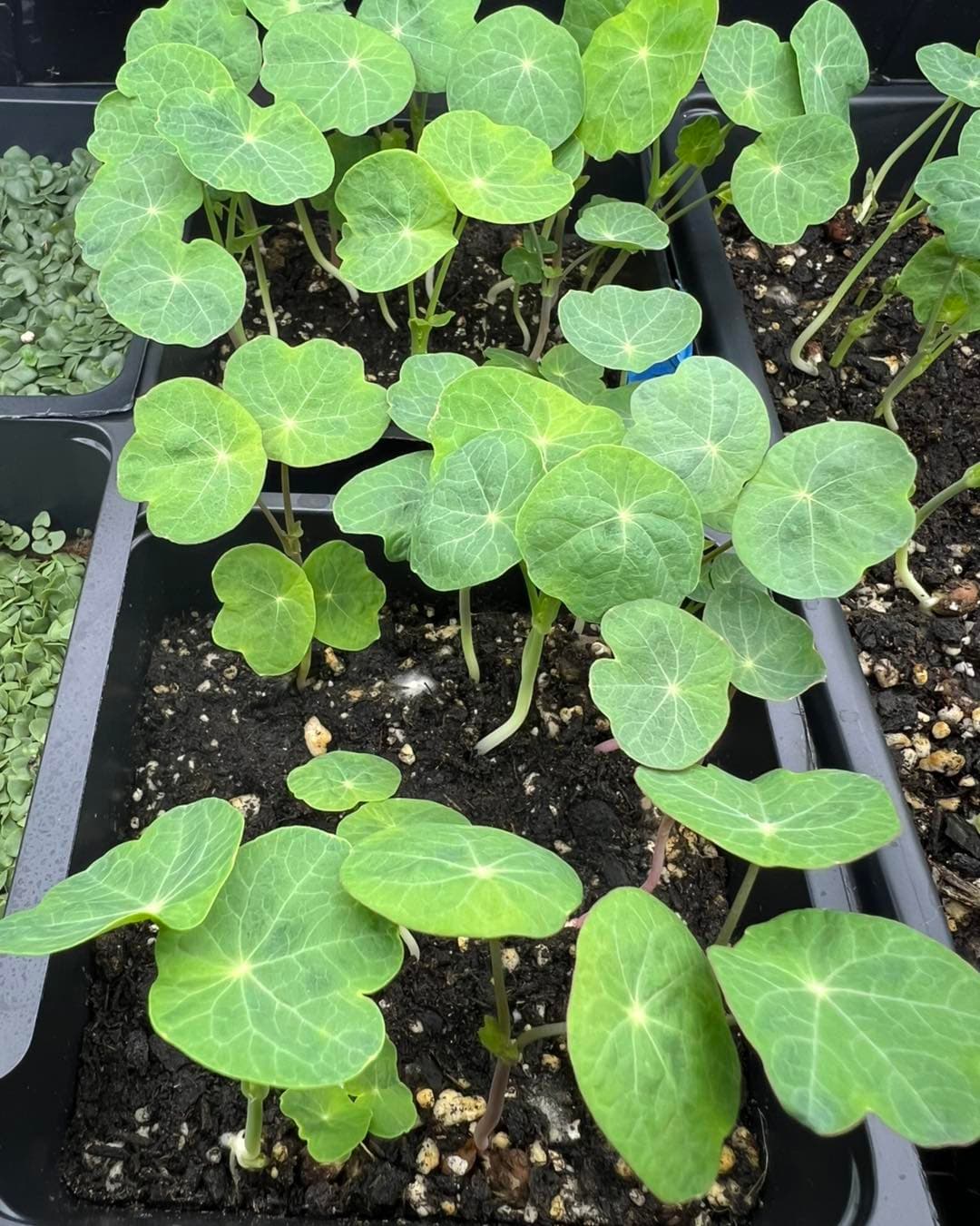
Nasturtium microgreens (Tropaeolum majus) are among the most visually dramatic and flavorfully interesting greens in the ChefPax lineup — and among the most demanding to grow. We use Whirlybird Organic seeds, scarified and soaked for 8–12 hours before sowing on a 70/30 soil-to-coco-coir blend. The process takes 10–14 days for the 5×5 and up to 21 days for the 10×20 — patience required, results rewarded.
The payoff is a microgreen with large, distinctive round leaves that carry a peppery, mustard-like bite with a faint sweetness underneath. Unlike the sharp horseradish heat of radish, nasturtium's heat is broader and more rounded — spicy but garden-fresh, with floral undertones from the plant's edible flower relationship. The whole nasturtium plant is edible (leaves, stems, flowers), making these microgreens part of a long culinary tradition of using nasturtium in European and South American cuisines.
In Austin, nasturtium microgreens have earned a place in the city's farm-to-table and edible garden culture. They're visually impressive enough for high-end catering, yet casual enough for a backyard salad. The round leaf shape is distinctive and instantly identifiable — there's nothing quite like it in the microgreen world.
Nasturtium Microgreens are a ChefPax microgreen crop grown near Austin for garden salads where the round leaf shape adds visual interest, chef plating, and home cooking. They are selected for concentrated flavor, texture, and cut-to-order freshness.
Nasturtium Microgreens are part of the ChefPax crop library for chefs, restaurants, and home cooks in Austin, Texas. Nasturtium microgreens taste peppery and mustard-like with a fresh, slightly sweet garden quality underneath. The heat is assertive but more rounded than radish microgreens — broader and more complex, with floral notes that reflect nasturtium's relationship to edible flowers. The texture is tender and the round leaves have a pleasant, substantial bite. In the kitchen, they work especially well with Garden salads where the round leaf shape adds visual interest, Cheese boards and charcuterie as an edible garnish, Sandwiches and wraps for a peppery bite, Plating accent for fine dining and catering. ChefPax focuses on crop-specific handling, fresh delivery, and practical culinary use so buyers can choose the right tray by flavor, texture, and service context.
Move from recipe inspiration to ordering: choose a smaller chef tray for trials or a 10x20 format for service volume.
Nasturtium
peppery edible-flower style garnish
Nasturtium
larger chef tray for salads and events
Nasturtium is peppery like arugula but more floral, rounded, and visually distinctive.
Nasturtium microgreens taste peppery and mustard-like with a fresh, slightly sweet garden quality underneath. The heat is assertive but more rounded than radish microgreens — broader and more complex, with floral notes that reflect nasturtium's relationship to edible flowers. The texture is tender and the round leaves have a pleasant, substantial bite.
Nasturtium microgreens are rich in vitamin C (historically used by sailors to prevent scurvy — the plant was originally called "Indian cress"), lutein, zeaxanthin, and glucosinolates. They contain significant concentrations of isothiocyanates with known antimicrobial properties, and the vitamin C content remains high even in the microgreen form.
For a deeper look at vitamins and phytonutrients studied across varieties, see the microgreens nutrition guide.
Use the flavor wheel as a chef-facing shortcut from taste to products, recipes, and pairings.
Anise / licorice
Flavor pathSweet aromatic herbs for seafood, cocktails, eggs, and cream sauces.
Nasturtium microgreens are delivered in 5×5 or live 10×20 tray format. The 5×5 is best refrigerated and used within 3–5 days. The 10×20 live tray can be kept on the counter in indirect light and snipped as needed — the large, distinctive leaves hold up better than most microgreens after snipping.
Full storage tips — container types, fridge placement, and shelf life by crop — are in the microgreens storage guide.
ChefPax Recipes
ChefPax recipe
10 min
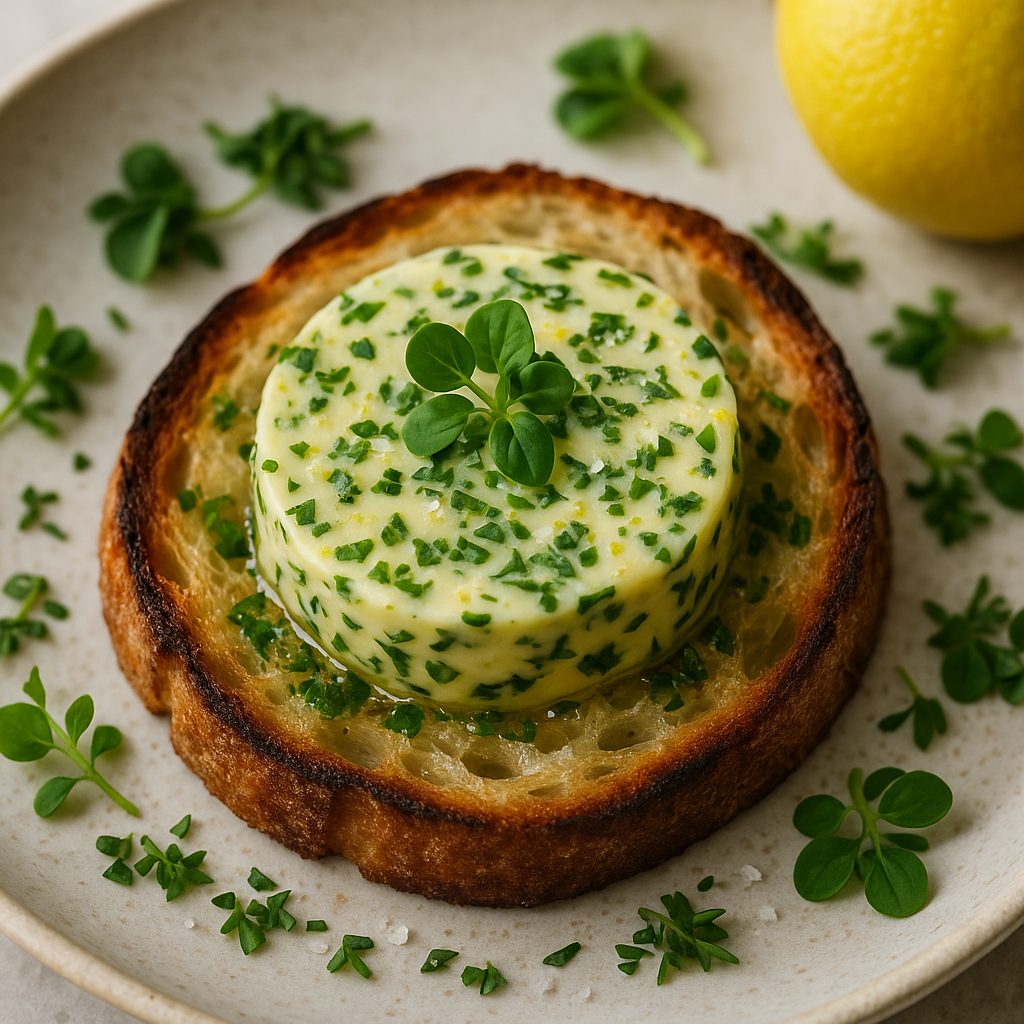
Softened butter blended with peppery nasturtium microgreens and lemon zest — melt over grilled steak, fish, or warm bread.
ChefPax Recipes
ChefPax recipe
15 min
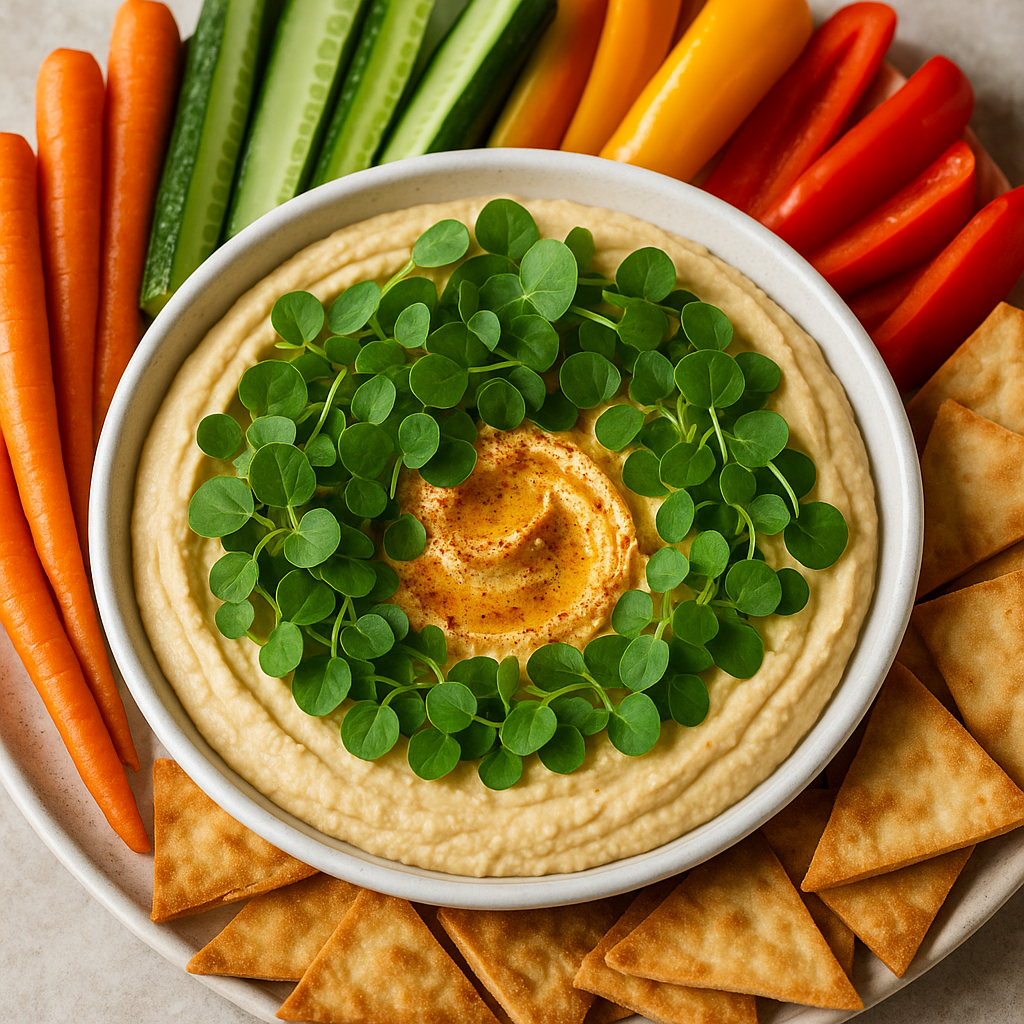
Creamy hummus drizzled with olive oil and blanketed in peppery nasturtium microgreens — a stunning party appetizer that takes 15 minutes.
ChefPax Recipes
ChefPax recipe
20 min
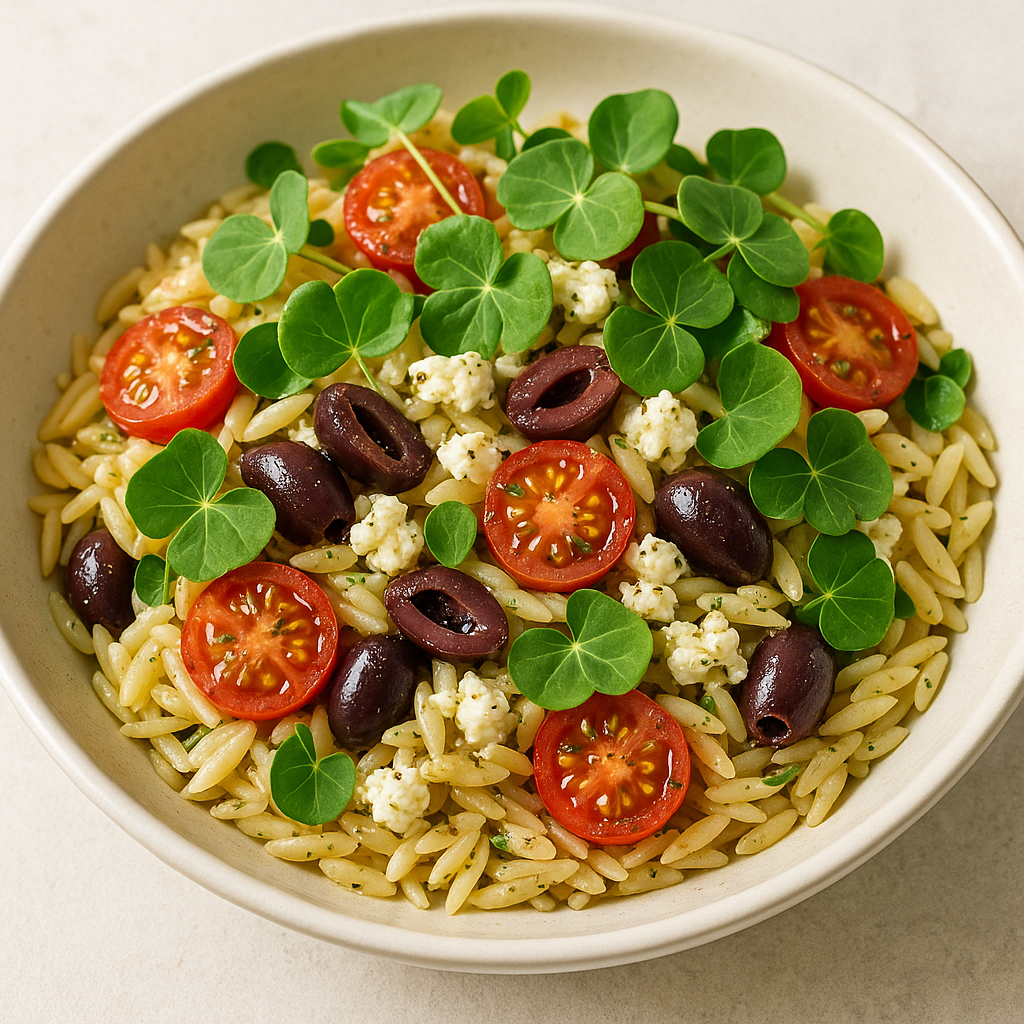
Orzo pasta salad with cherry tomatoes, olives, feta, and peppery nasturtium microgreens folded in at the last moment.
ChefPax Recipes
ChefPax recipe
15 min
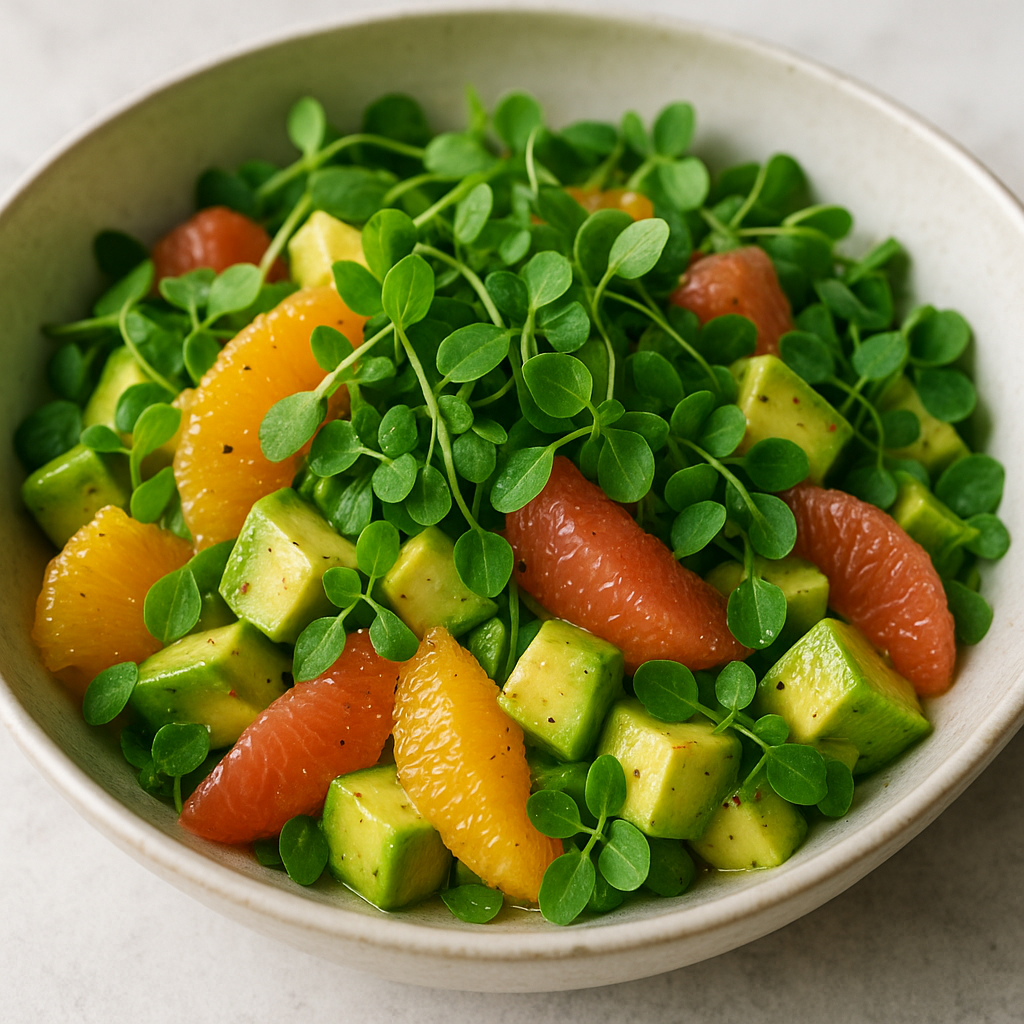
This vibrant salad combines creamy avocado with the peppery notes of nasturtium microgreens, brightened by a zesty citrus dressing.
ChefPax Recipes
ChefPax recipe
20 min
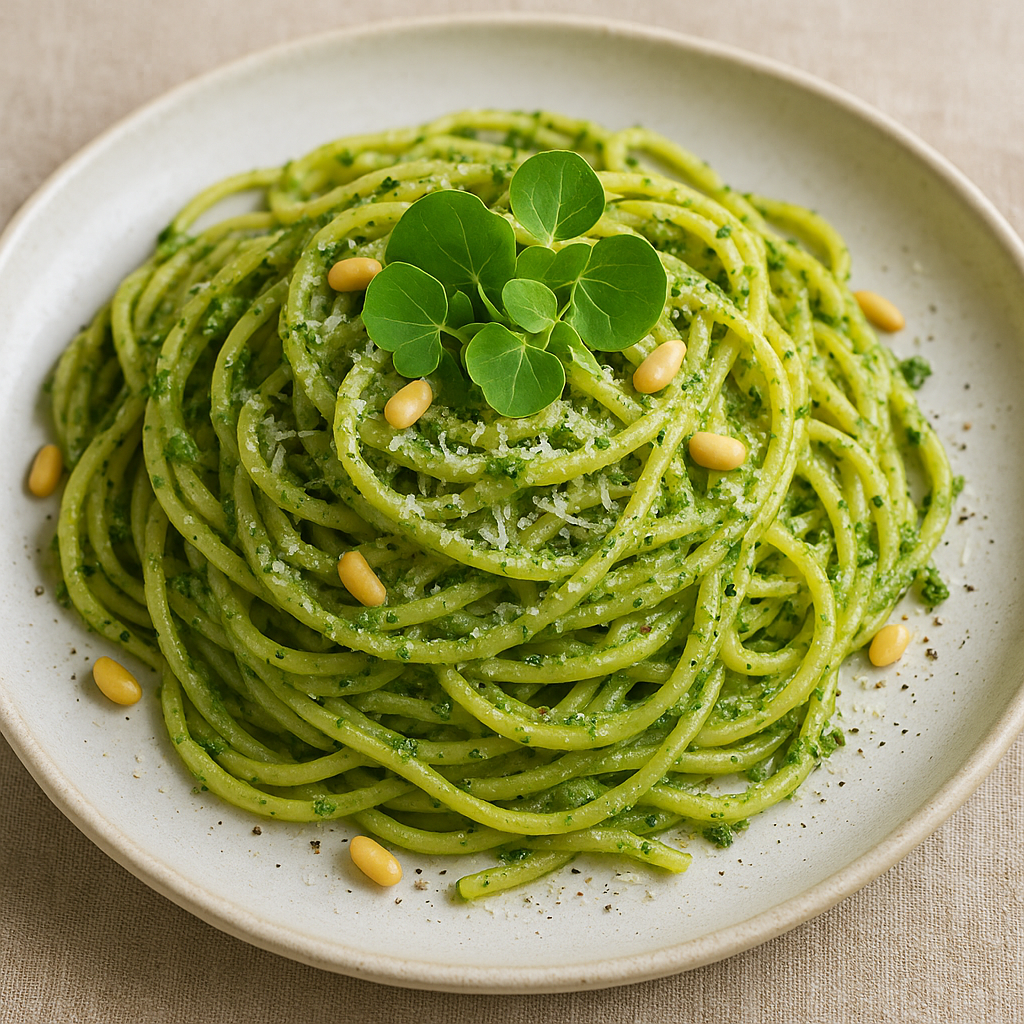
This vibrant pasta dish features a zesty nasturtium microgreen pesto, inspired by fresh herb flavors akin to those at Mag's. Enjoy a unique twist on traditional pesto that's both nutritious and delicious.
ChefPax Recipes
ChefPax recipe
20 min
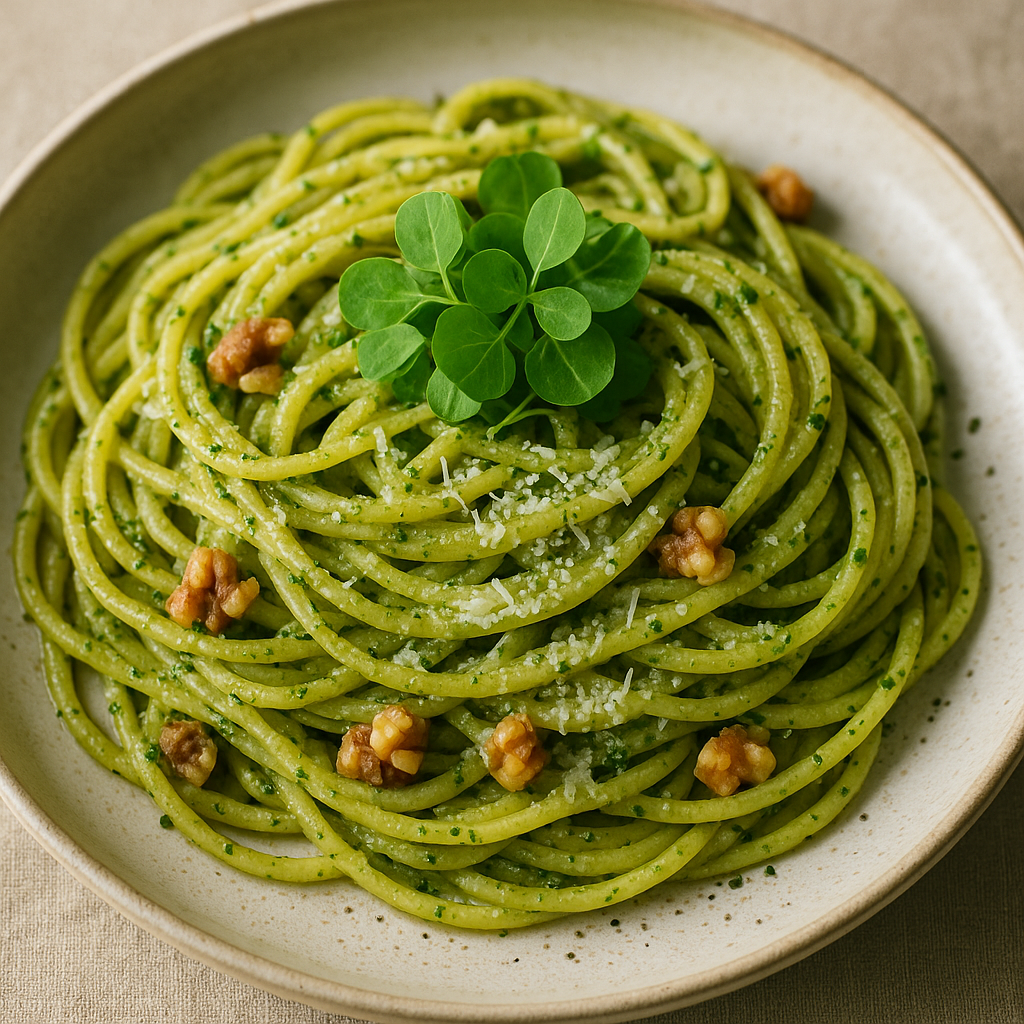
This vibrant pasta dish combines zesty nasturtium microgreens with nuts to create a unique pesto that elevates your meal with a peppery twist.
ChefPax Recipes
ChefPax recipe
10 min
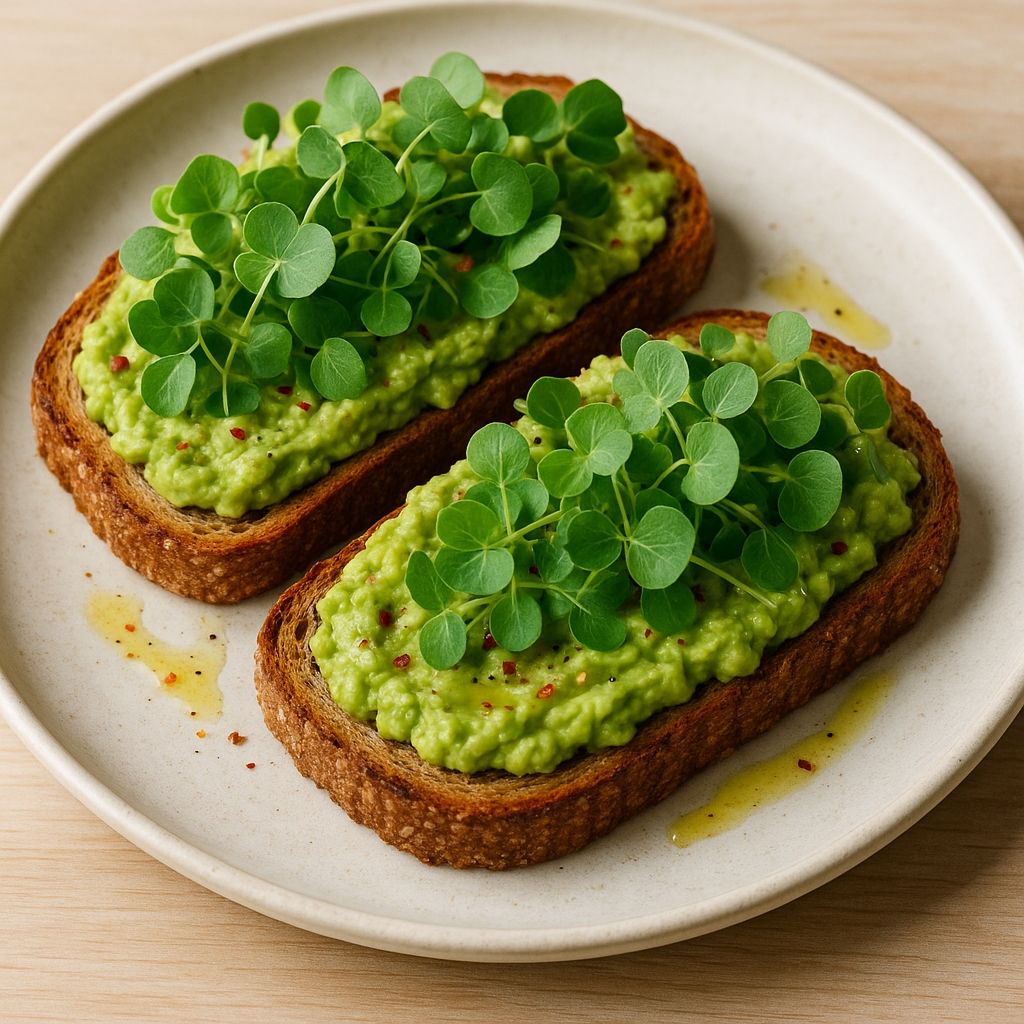
This trendy avocado toast is elevated with fresh nasturtium microgreens, offering a nutritious and flavorful addition to your breakfast or snack.
ChefPax Recipes
ChefPax recipe
30 min
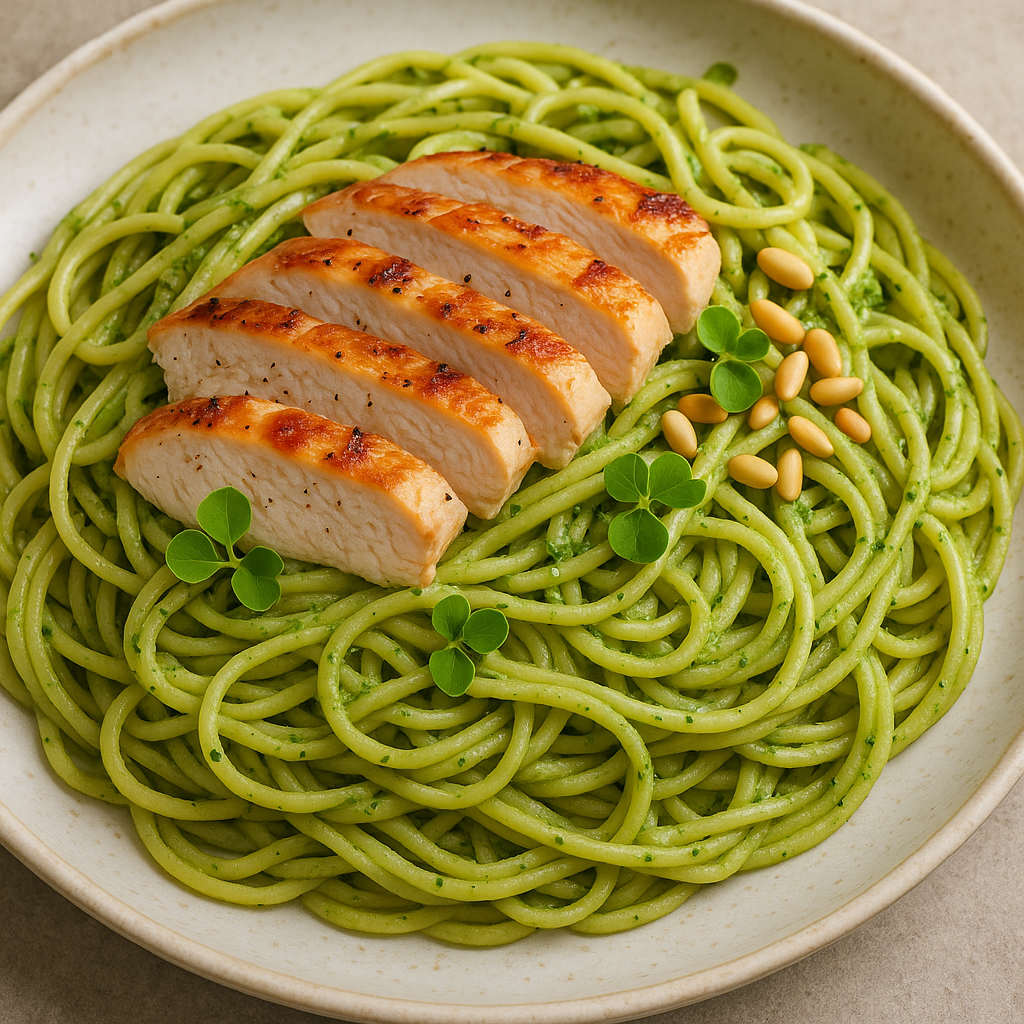
A delightful twist on traditional pesto, this dish features nasturtium microgreens blended into a savory sauce, served over pasta and grilled chicken.
ChefPax Recipes
ChefPax recipe
15 min
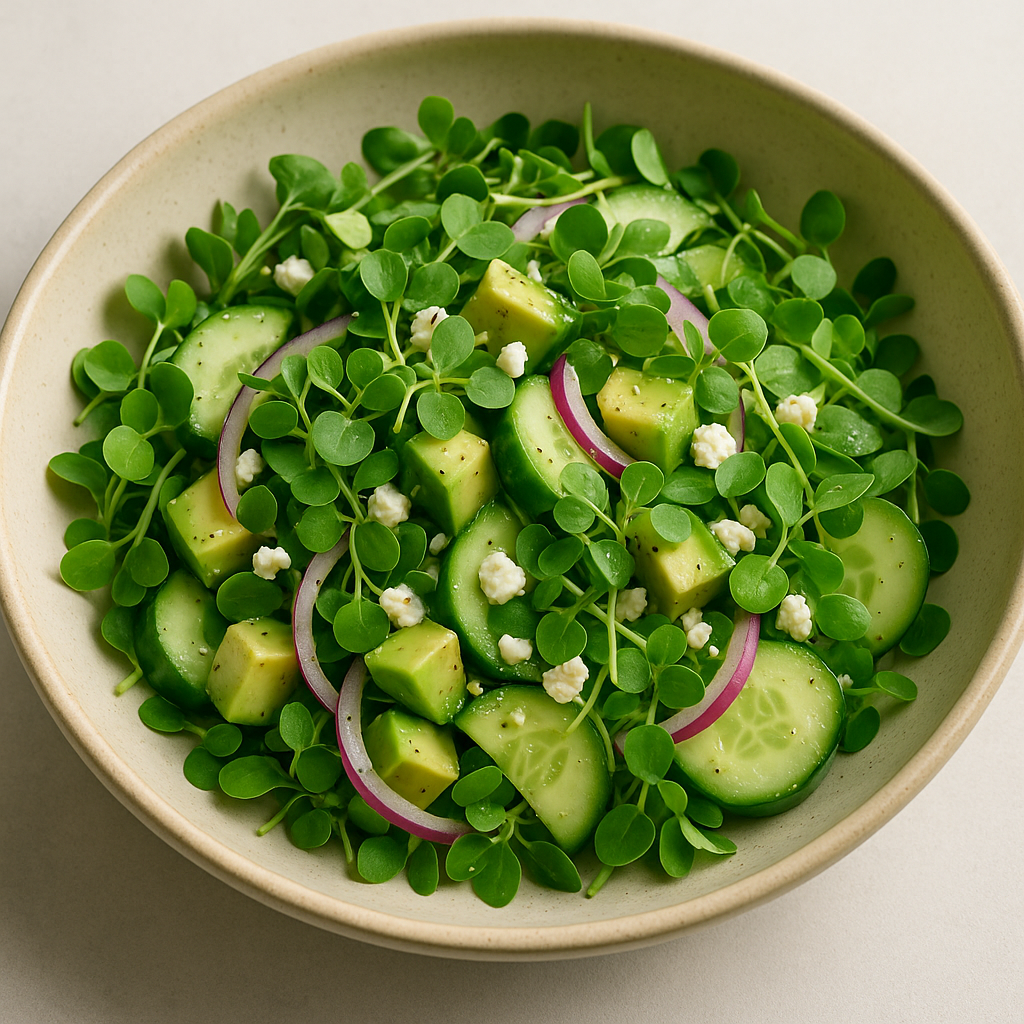
A refreshing salad that combines creamy avocado with peppery nasturtium microgreens, perfect for a light lunch or appetizer, inspired by the fresh offerings found at Tequila Bar & Grill.
ChefPax Recipes
ChefPax recipe
25 min
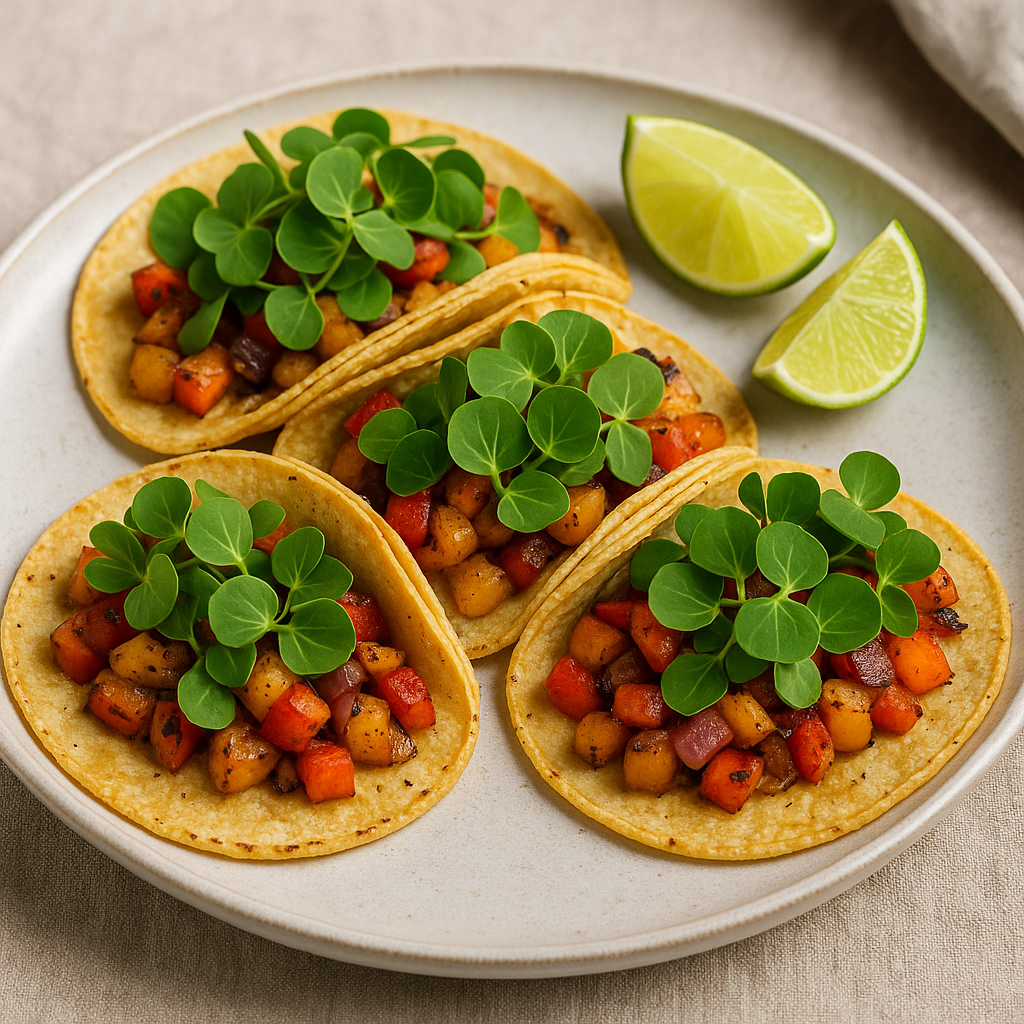
These crispy tacos are filled with a delicious mixture of roasted vegetables and topped with fresh nasturtium microgreens, offering a flavorful crunch reminiscent of vibrant Tex-Mex cuisine.
ChefPax Recipes
ChefPax recipe
25 min
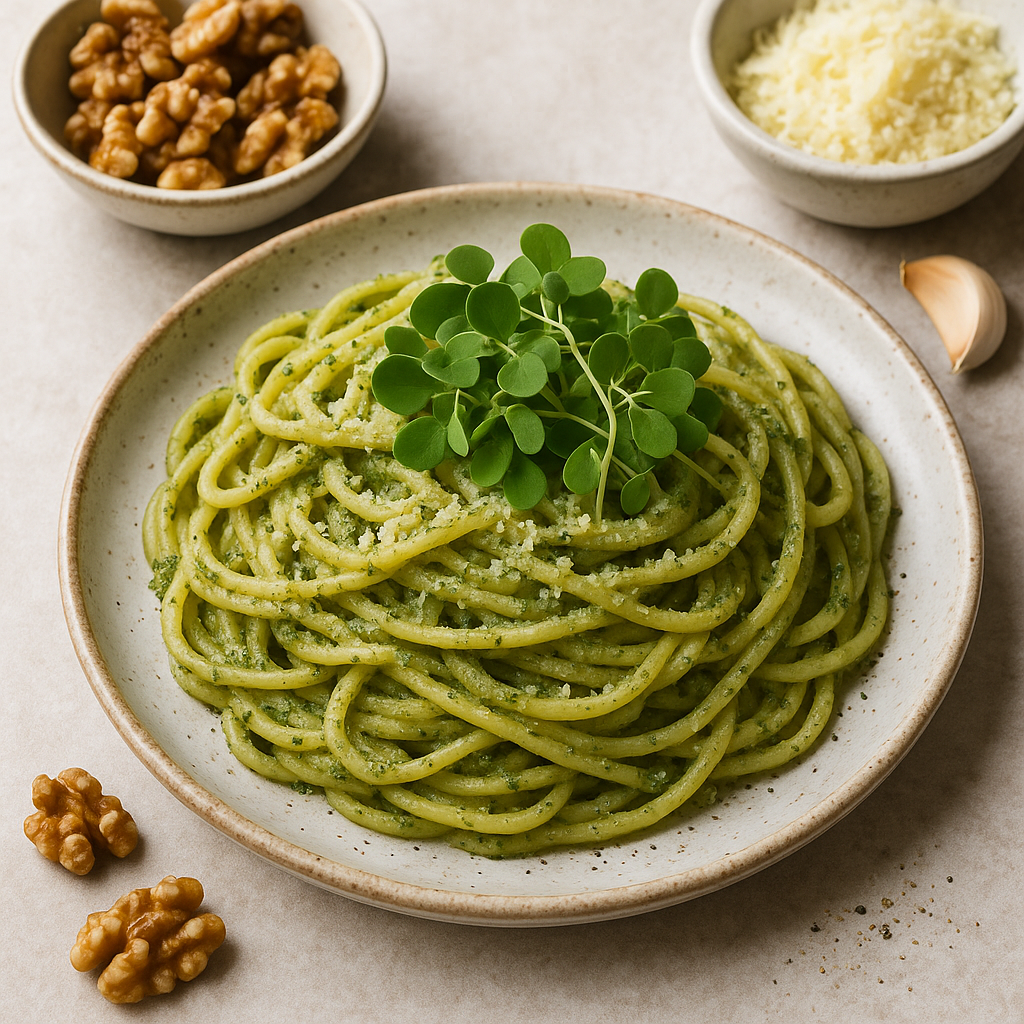
This unique twist on pesto uses nasturtium microgreens, bringing a peppery kick to your favorite pasta dish.
ChefPax Recipes
ChefPax recipe
25 min
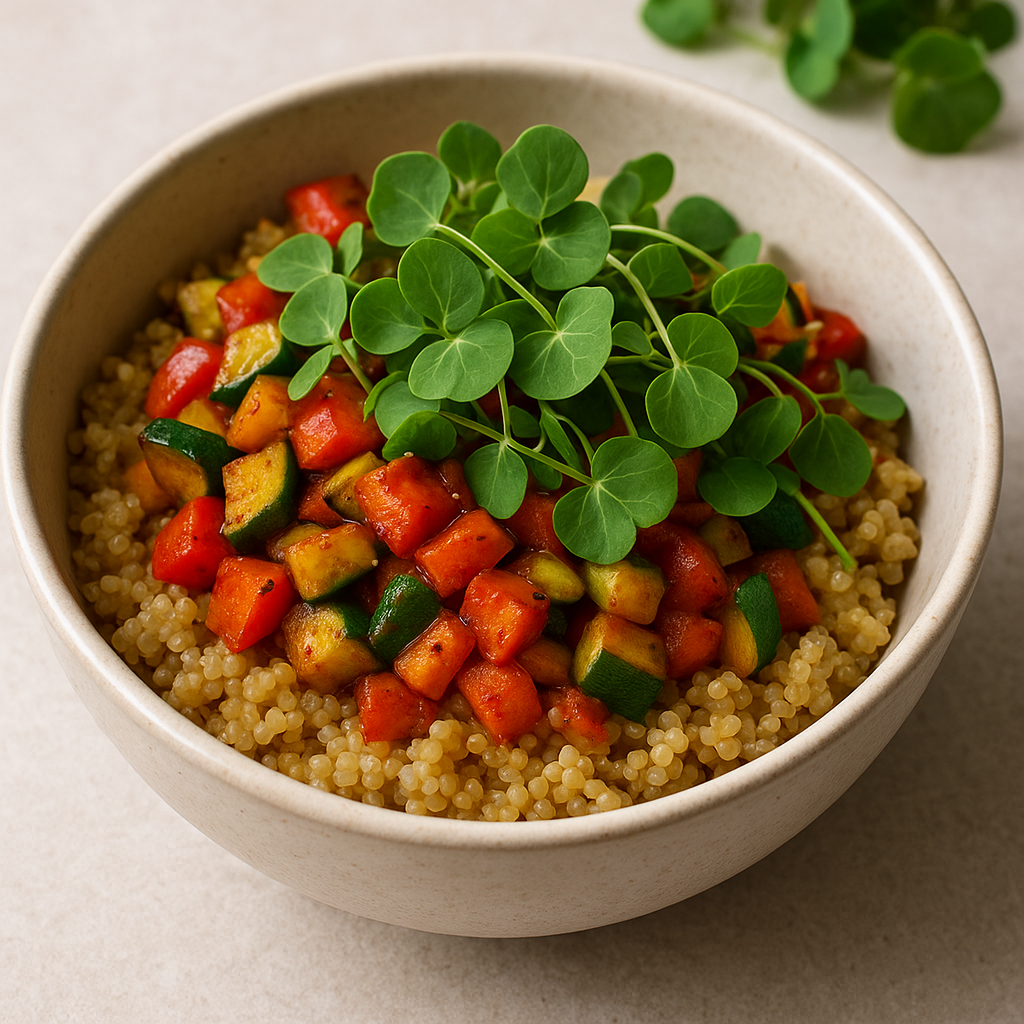
A hearty quinoa bowl topped with spicy sautéed vegetables and fresh nasturtium microgreens for added flavor and nutrition.
ChefPax Recipes
ChefPax recipe
15 min
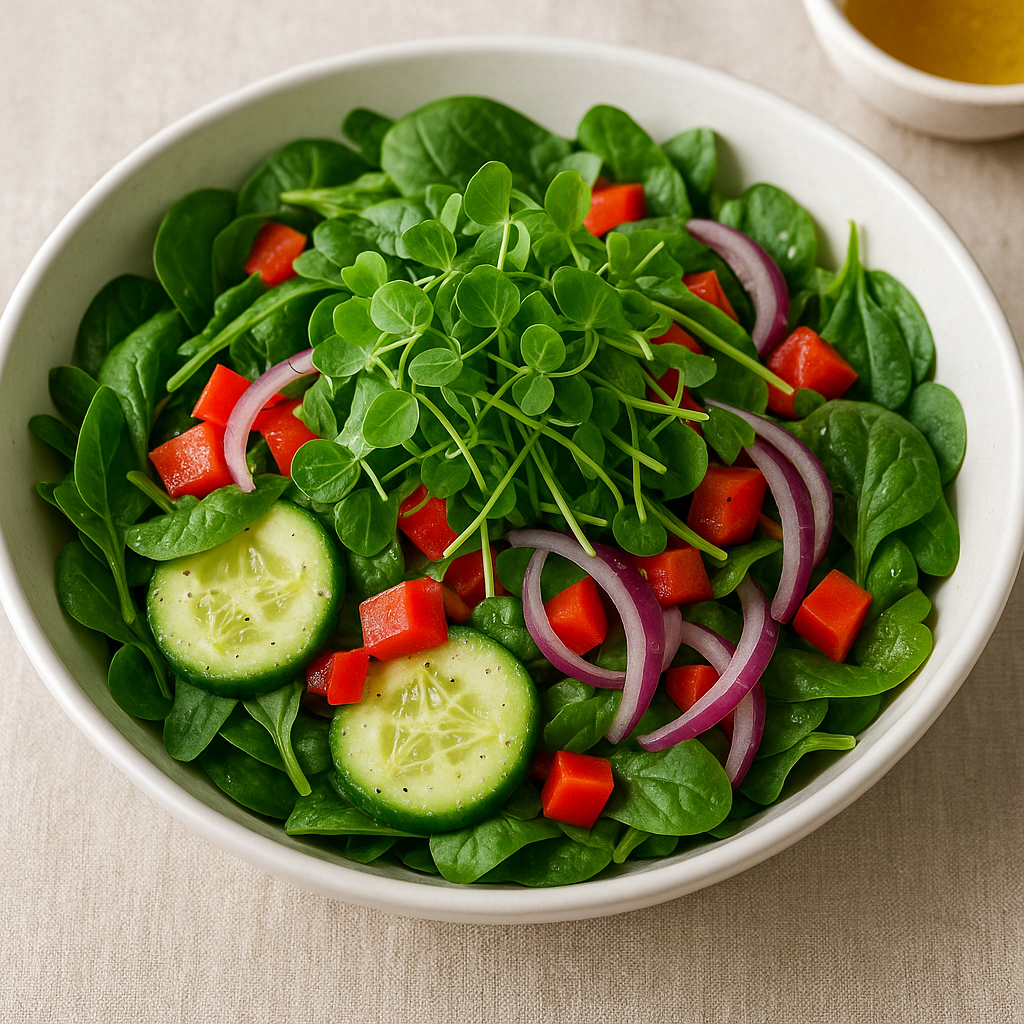
This vibrant salad pairs the peppery flavor of nasturtium microgreens with fresh veggies for a refreshing bite.
ChefPax Recipes
ChefPax recipe
10 min
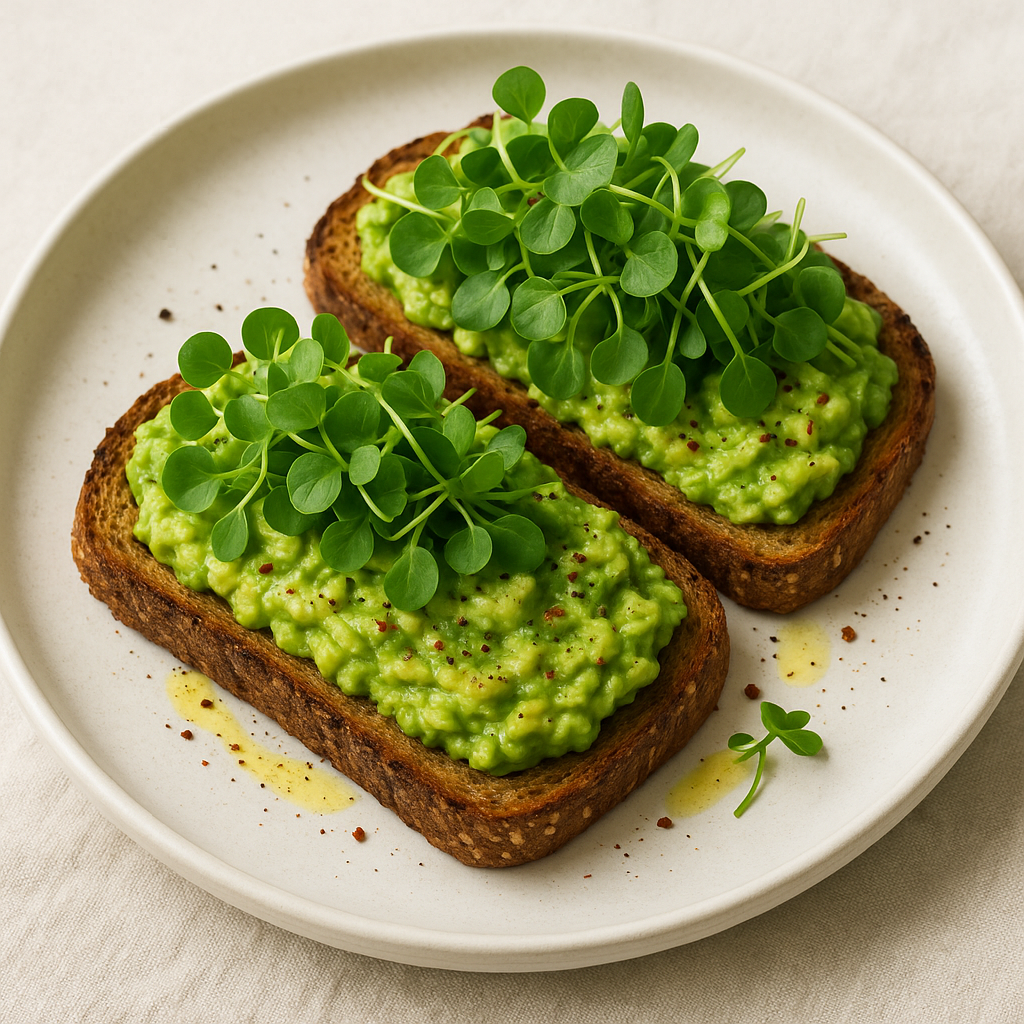
This trendy avocado toast features nasturtium microgreens for a peppery finish, making it an ideal breakfast or snack.
ChefPax Recipes
ChefPax recipe
15 min
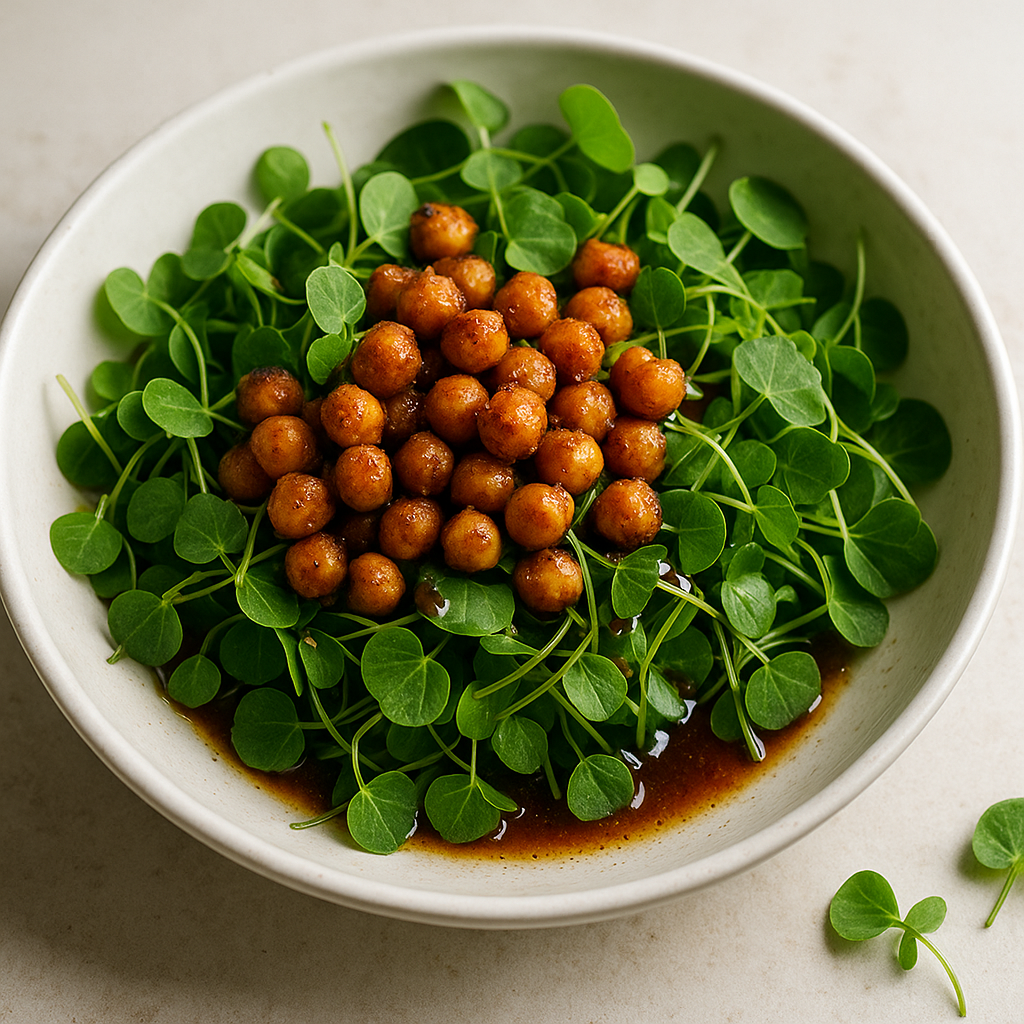
A refreshing salad bursting with flavor, this dish highlights the peppery taste of nasturtium microgreens paired with roasted chickpeas and a tangy vinaigrette.
Yes — the entire nasturtium plant is edible: leaves, stems, and flowers. Our nasturtium microgreens include the stems and leaves at the cotyledon/first-leaf stage. The stems carry the same peppery flavor as the leaves.
Nasturtium microgreens have a noticeable peppery bite — milder than radish or wasabi mustard microgreens, but more than arugula. The heat is rounded and garden-fresh rather than sharp, with a floral quality that keeps it from being aggressive.
Nasturtium microgreens are excellent in any application where you'd use arugula or radish microgreens. Try them in salads with goat cheese and honey, on avocado toast, or as a garnish on soup. Our radish microgreens recipe collection has great starting points for peppery-green applications.
Nasturtium and nasturtium microgreens deliver distinctive peppery heat through glucosinolate-derived compounds — the same chemical class responsible for heat in radish and mustard microgreens. They are used as edible garnishes, flavor accents on proteins and composed plates, and as a visual element with their vivid green color.
• Nasturtium plants and microgreens contain glucosinolates and isothiocyanates — the same compound class found in brassica crops like radish and broccoli microgreens.
moderate evidence• Peppery heat intensity in nasturtium microgreens is linked to glucosinolate concentration, which varies by growing conditions and harvest timing.
moderate evidence• Nasturtium has been studied for vitamin C content in both the leaves and flowers.
limited evidence1. Nutritional Composition and Antioxidant Capacity in Edible Flowers: Characterisation of Phenolic Compounds by HPLC-DAD-ESI/MSn — International Journal of Molecular Sciences, 2015
Pick a plating goal and ChefPax will shape a tasting set around flavor, texture, and service use.
I'm plating seafood
Aromatic, citrus-friendly herbs for crudo, oysters, salmon, white fish, and raw bar plates.
Bronze Fennel
anise aroma and feathery heightCurled Chervil
soft French-herb liftPea Shoots
sweet height and clean stemsShiso
Japanese aromatic contrastWhat are you making? Get a reviewed pairing grounded in what ChefPax can actually supply.
Browse ChefPax by the way chefs actually choose garnish: dish, service context, and flavor job.
Best microgreens for seafood
The best microgreens for seafood are bronze fennel, curled chervil, pea shoots, and shiso because they add aroma, height, and freshness without overwhelming delicate fish.
Best microgreens for steak
The best microgreens for steak are Chinese Mahogany, radish, wasabi mustard, and nasturtium because they cut richness with savory depth, pepper, or mustard-like heat.
Best garnish crops for cocktails
The best garnish crops for cocktails are bronze fennel, lemon basil, nasturtium, and shiso because they bring aroma and visual precision to the rim or glass.
Best mild microgreens for sandwiches
The best mild sandwich greens are alfalfa sprouts, broccoli microgreens, sunflower, and pea shoots because they add texture without dominating the filling.
Best specialty crops for chefs
The best ChefPax specialty crops for chefs are Chinese Mahogany, bronze fennel, curled chervil, shiso, nasturtium, and red amaranth.
Best herbs for French plating
The best microgreen herbs for French plating are curled chervil, bronze fennel, parsley, and sorrel because they bring restrained aroma and clean finishing flavor.
Best crops for spicy dishes
The best crops for spicy dishes are Rambo radish, wasabi mustard, nasturtium, and cilantro because they add heat, brightness, or fresh herbal contrast.
Looking for something else?
All ChefPax recipes →