Nutrition Authority
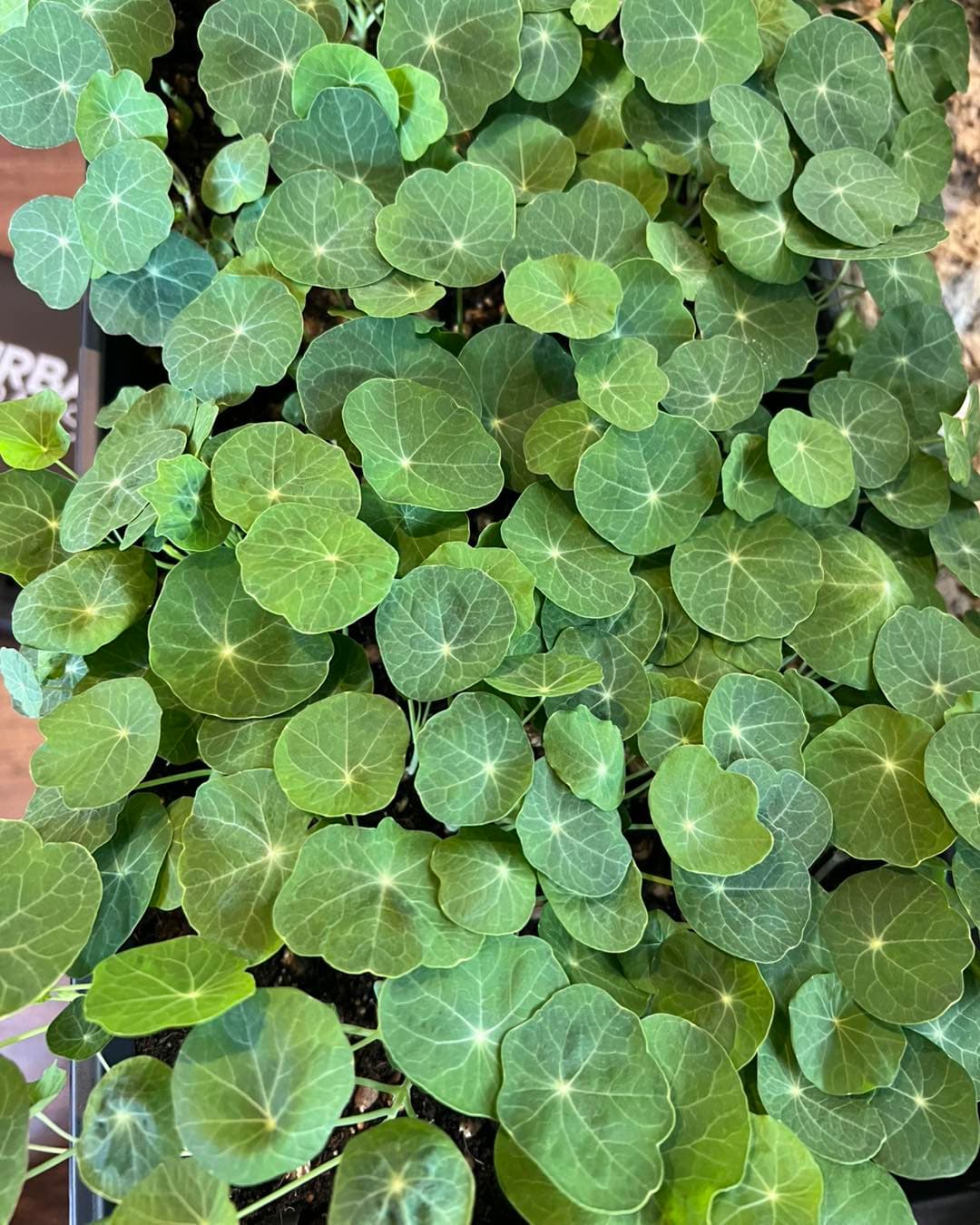
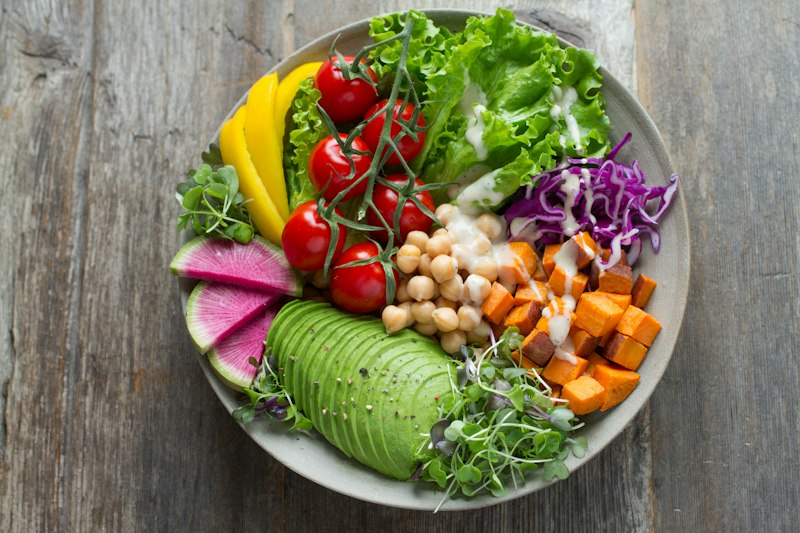
Nasturtium and nasturtium microgreens deliver distinctive peppery heat through glucosinolate-derived compounds — the same chemical class responsible for heat in radish and mustard microgreens. They are used as edible garnishes, flavor accents on proteins and composed plates, and as a visual element with their vivid green color.
What the evidence supports
• Nasturtium plants and microgreens contain glucosinolates and isothiocyanates — the same compound class found in brassica crops like radish and broccoli microgreens.
moderate evidence• Peppery heat intensity in nasturtium microgreens is linked to glucosinolate concentration, which varies by growing conditions and harvest timing.
moderate evidence• Nasturtium has been studied for vitamin C content in both the leaves and flowers.
limited evidence
References
ChefPax provides this section for culinary and educational purposes only. It is not medical advice.