
Are microgreens a superfood?
Broccoli microgreens are studied for their glucoraphanin content; sunflower microgreens provide vitamin E; pea shoots contribute folate and vitamin C. They are broadly considered nutrient-dense within a balanced diet.
Microgreens are nutrient-dense foods that often contain higher concentrations of vitamins C, E, K, and carotenoids than their mature counterparts — particularly broccoli microgreens, which are rich in glucoraphanin, the sulforaphane precursor.
Microgreens are nutrient-dense foods that often contain higher concentrations of vitamins C, E, K, and carotenoids than their mature counterparts — particularly broccoli microgreens, which are rich in glucoraphanin, the sulforaphane precursor.
Broccoli microgreens are studied for their glucoraphanin content; sunflower microgreens provide vitamin E; pea shoots contribute folate and vitamin C. They are broadly considered nutrient-dense within a balanced diet.
Research by Xiao et al. (2012) found that many microgreens contain 4–40x higher concentrations of vitamins and carotenoids than their mature vegetable counterparts on a fresh-weight basis.
A landmark study by Xiao et al. (2012) evaluated 25 microgreen varieties and found that most contained substantially higher concentrations of vitamins C, E, K, and carotenoids than their mature vegetable counterparts — in some cases 4–40x higher per gram of fresh weight. The researchers noted that red cabbage, cilantro, garnet amaranth, and green daikon radish microgreens had the highest concentrations of vitamin C, carotenoids, vitamin K, and vitamin E, respectively.
Broccoli microgreens are among the most studied for their glucoraphanin content — the precursor to sulforaphane, a compound with well-documented antioxidant and anti-inflammatory properties. Fahey et al. (1997) found that broccoli sprouts and seedlings contained 10–100x higher glucoraphanin concentrations than mature broccoli heads on a gram-for-gram basis. ChefPax's broccoli microgreen trays are grown to order and harvested at peak glucoraphanin density.
For everyday health use, pea shoots and broccoli microgreens are the most practical choices. Pea shoots provide folate, vitamin C, and plant protein with a mild, palatable flavor that blends into smoothies without bitterness. Broccoli provides glucoraphanin with a neutral taste that disappears in sauces, soups, and smoothies. Both are available as live trays — harvested fresh in Manor, TX and delivered across Austin.
Microgreens grown in soil or a clean growing substrate with proper airflow and light have a strong food safety profile. Unlike sprouts — which require warm, humid conditions that can promote bacterial growth — microgreens are grown in ventilated, light-exposed environments. The USDA Agricultural Research Service classifies microgreens as a new category of food with favorable safety characteristics relative to sprouts. ChefPax grows in a controlled indoor environment with environmental monitoring for temperature, humidity, and air quality.
Learn more about the differences in microgreens vs sprouts.
By dish: best microgreens for smoothies · best for salads
Top recipe
ChefPax Recipes
ChefPax recipe
10 min
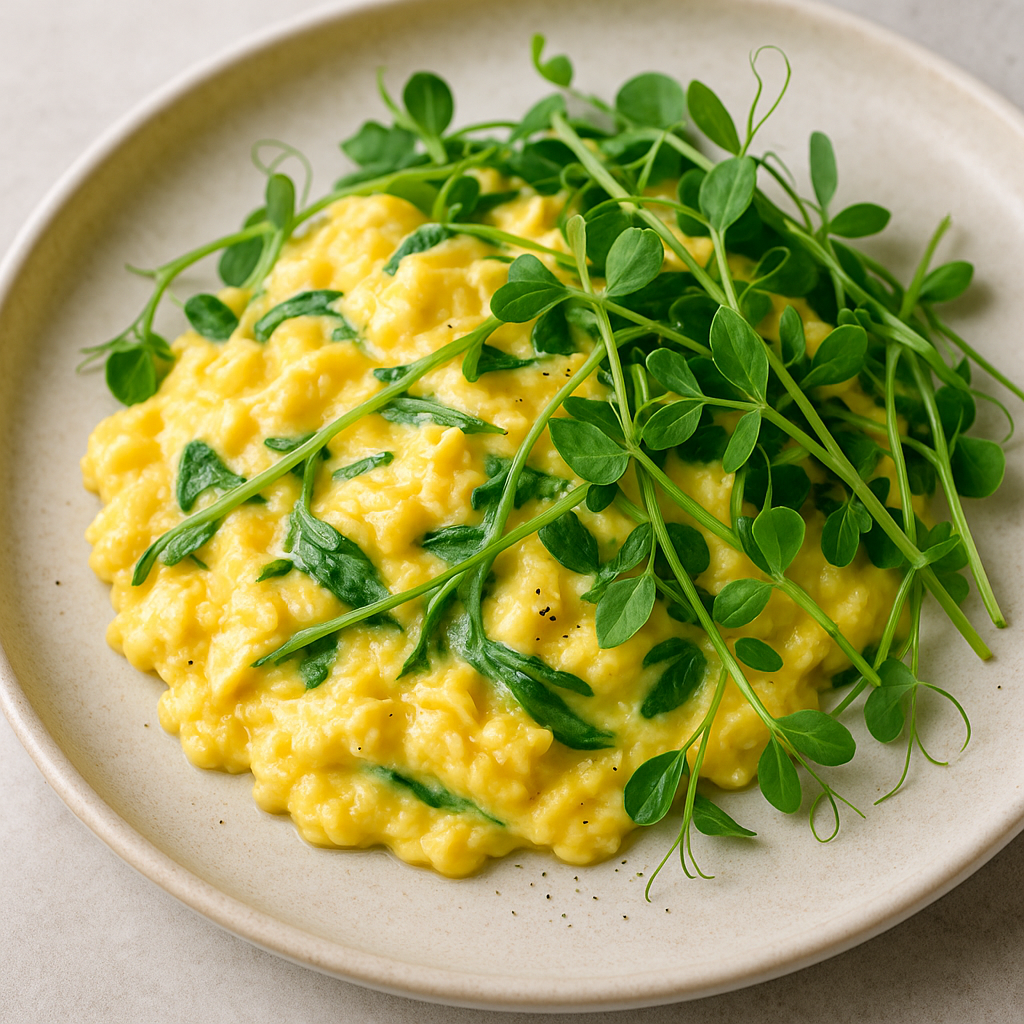
Silky scrambled eggs folded with fresh pea shoots for a protein-packed morning.
ChefPax Recipes
ChefPax recipe
18 min
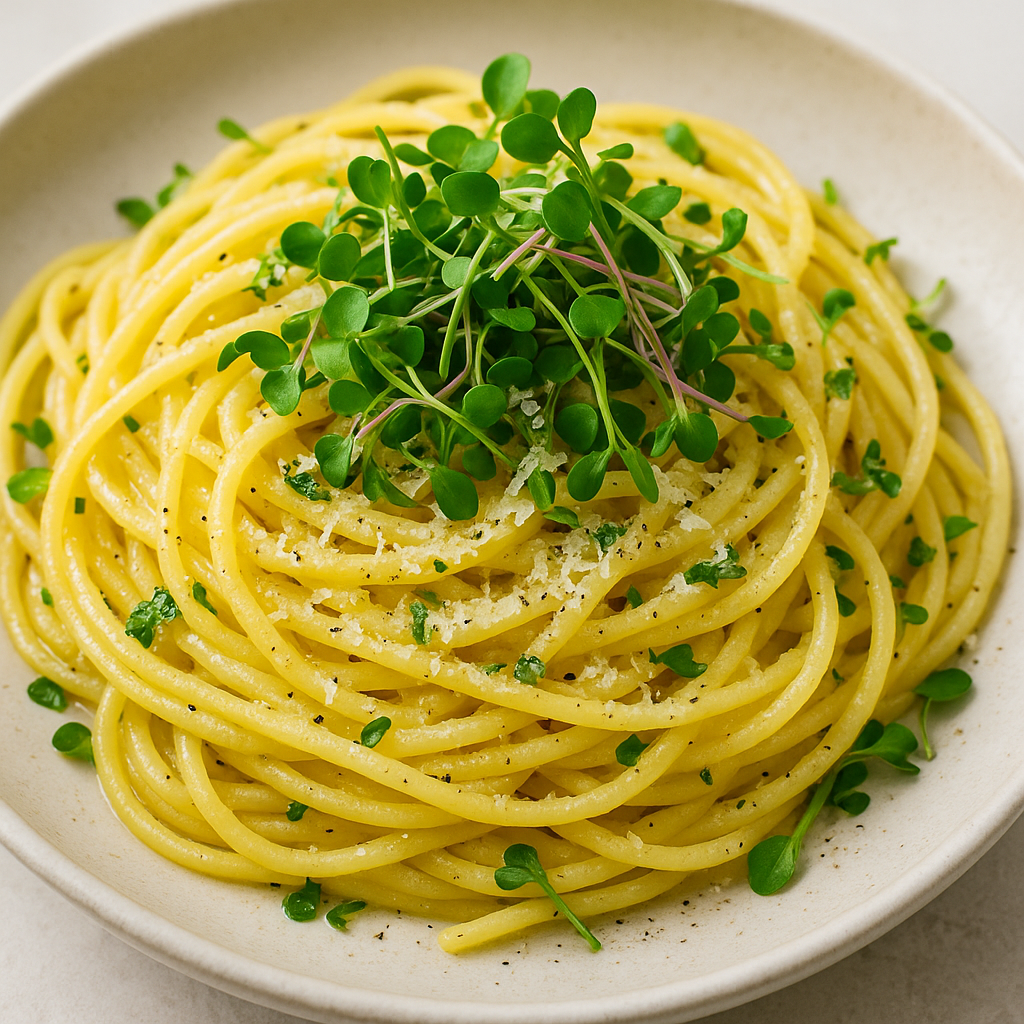
Bright lemon pasta tossed with earthy broccoli microgreens for a fresh, nutritious meal.
ChefPax Recipes
ChefPax recipe
15 min
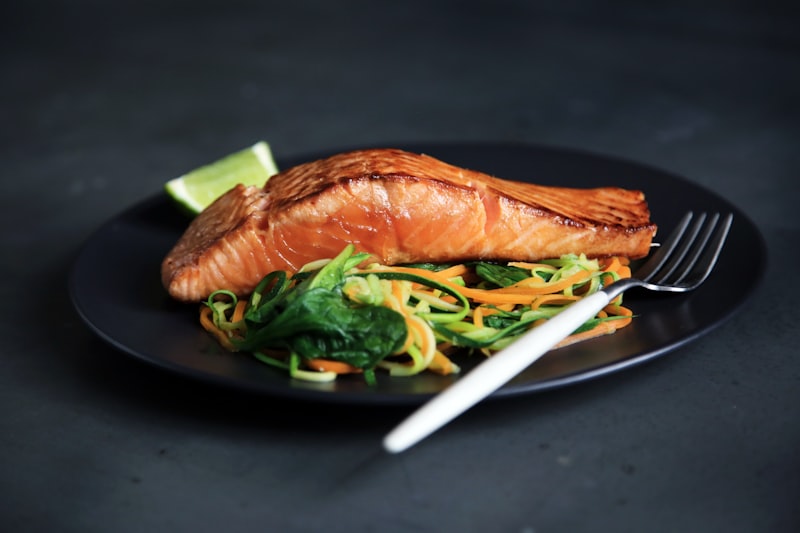
Crispy-skinned salmon with nutty sunflower microgreens and a bright lemon-caper sauce.
ChefPax Recipes
ChefPax recipe
25 min
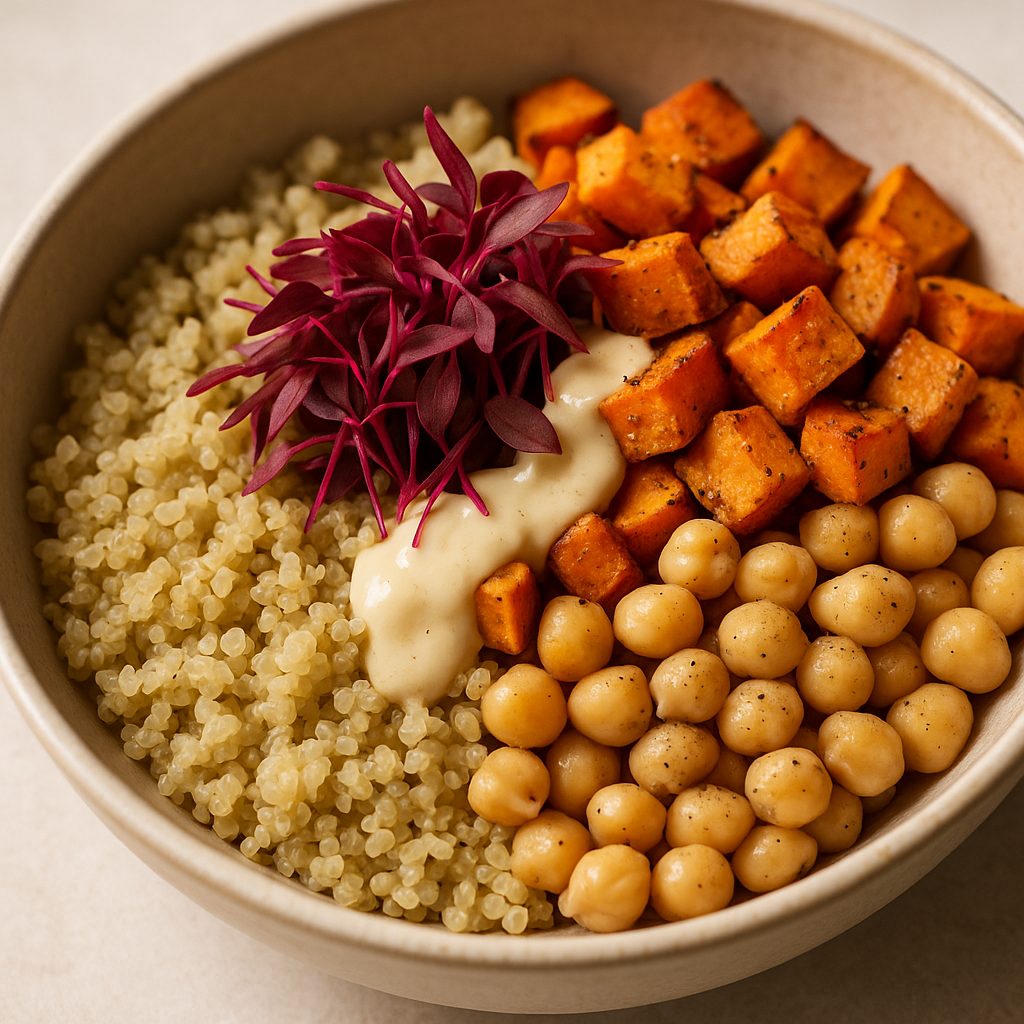
Nutritious quinoa bowl topped with red amaranth microgreens, roasted vegetables, and tahini dressing.