Fagopyrum esculentum

Buckwheat microgreens occupy a unique space in the microgreen world — earthy and slightly tangy with a mild lemony finish that sets them apart from the sweeter or spicier varieties. Grown from Fagopyrum esculentum, these delicate greens are harvested in 8–10 days when the cotyledons are fully open and the stems are still tender.
At ChefPax, buckwheat is grown in 10×20 live trays seeded at 2.5–3 oz of hull-on seed, pre-soaked for 4–6 hours before sowing. The key to a clean buckwheat tray is airflow — we harvest before the seed hulls start to dehisce, giving you a clean, professional-looking green with no hull debris. The result is a soft, delicate microgreen that looks as refined as it tastes.
Buckwheat microgreens are popular in Austin with grain bowl enthusiasts, smoothie makers, and chefs who want a subtle green that doesn't compete with bold flavors. They're versatile enough to work as a bowl base or as a delicate garnish on composed plates. Because the stems are thin and the flavor is mild, they layer well with stronger greens like radish or wasabi mustard.
Buckwheat Microgreens are a ChefPax microgreen crop grown near Austin for avocado toast, chef plating, and home cooking. They are selected for concentrated flavor, texture, and cut-to-order freshness.
Buckwheat Microgreens are part of the ChefPax crop library for chefs, restaurants, and home cooks in Austin, Texas. Buckwheat microgreens taste earthy and subtly tangy with a mild lemony finish — nothing like buckwheat flour or buckwheat honey. The flavor is gentle enough for people who find other microgreens too intense, and distinctive enough to add character to simple dishes. Thin stems and soft cotyledons give a delicate texture that holds up better in cool applications than on hot plates. In the kitchen, they work especially well with Avocado toast, Grain bowls with quinoa, farro, or soba noodles, Salads as a mild base mixed with stronger greens, Smoothies for a protein and rutin boost without strong flavor. ChefPax focuses on crop-specific handling, fresh delivery, and practical culinary use so buyers can choose the right tray by flavor, texture, and service context.
Move from recipe inspiration to ordering: choose a smaller chef tray for trials or a 10x20 format for service volume.
Buckwheat — 5×5 Tray
buckwheat microgreens with an earthy, slightly tangy flavor and mild lemony finish
Buckwheat — Live Tray (10×20)
earthy, slightly tangy flavor with mild lemony finish
Buckwheat provide a more concentrated crop-specific flavor and a smaller finishing format than standard salad greens.
Buckwheat microgreens taste earthy and subtly tangy with a mild lemony finish — nothing like buckwheat flour or buckwheat honey. The flavor is gentle enough for people who find other microgreens too intense, and distinctive enough to add character to simple dishes. Thin stems and soft cotyledons give a delicate texture that holds up better in cool applications than on hot plates.
Buckwheat microgreens are rich in rutin, a powerful antioxidant flavonoid with anti-inflammatory properties rarely found in other greens. They contain all nine essential amino acids, making them one of the few plant sources of complete protein. They're also a good source of vitamin C, magnesium, and manganese.
For a deeper look at vitamins and phytonutrients studied across varieties, see the microgreens nutrition guide.
Use the flavor wheel as a chef-facing shortcut from taste to products, recipes, and pairings.
Anise / licorice
Flavor pathSweet aromatic herbs for seafood, cocktails, eggs, and cream sauces.
Your ChefPax buckwheat tray arrives with living roots intact. Keep it at room temperature in indirect light and snip what you need. Buckwheat is more moisture-sensitive than brassicas — avoid overhead watering and water lightly at the base only. Do not wash the tray; rinse the snipped greens just before use. Hulls can trap moisture and mold if overwatered, so err on the dry side. Trays stay harvest-ready for 5–8 days.
Full storage tips — container types, fridge placement, and shelf life by crop — are in the microgreens storage guide.
ChefPax Recipes
ChefPax recipe
30 min
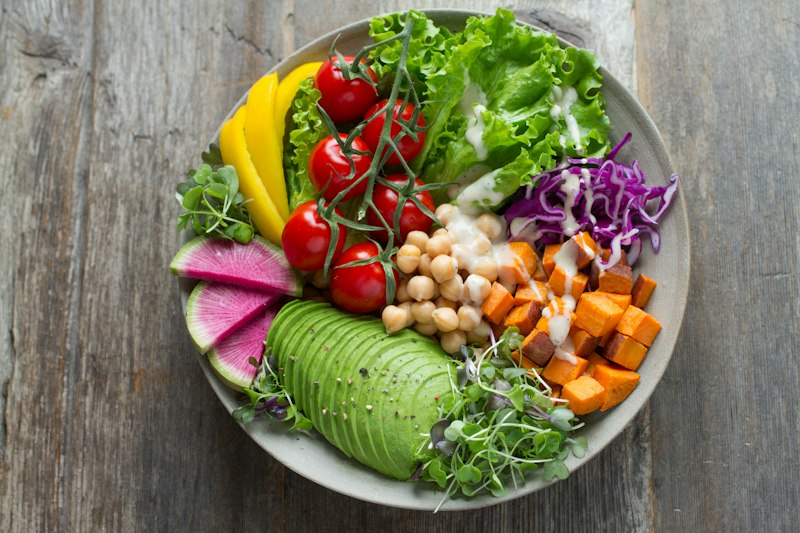
Earthy buckwheat groats tossed with fresh herbs, avocado, cherry tomatoes, and a generous handful of tangy buckwheat microgreens.
ChefPax Recipes
ChefPax recipe
25 min
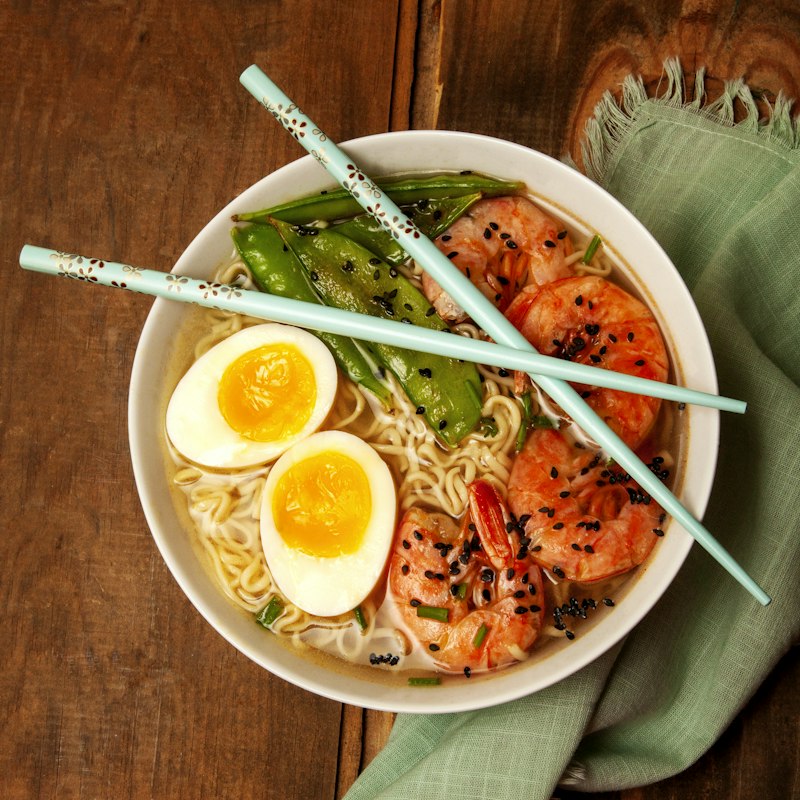
Glass noodles in a savory chicken-anchovy broth topped with a soft egg and buckwheat microgreens stirred in off the heat.
ChefPax Recipes
ChefPax recipe
25 min
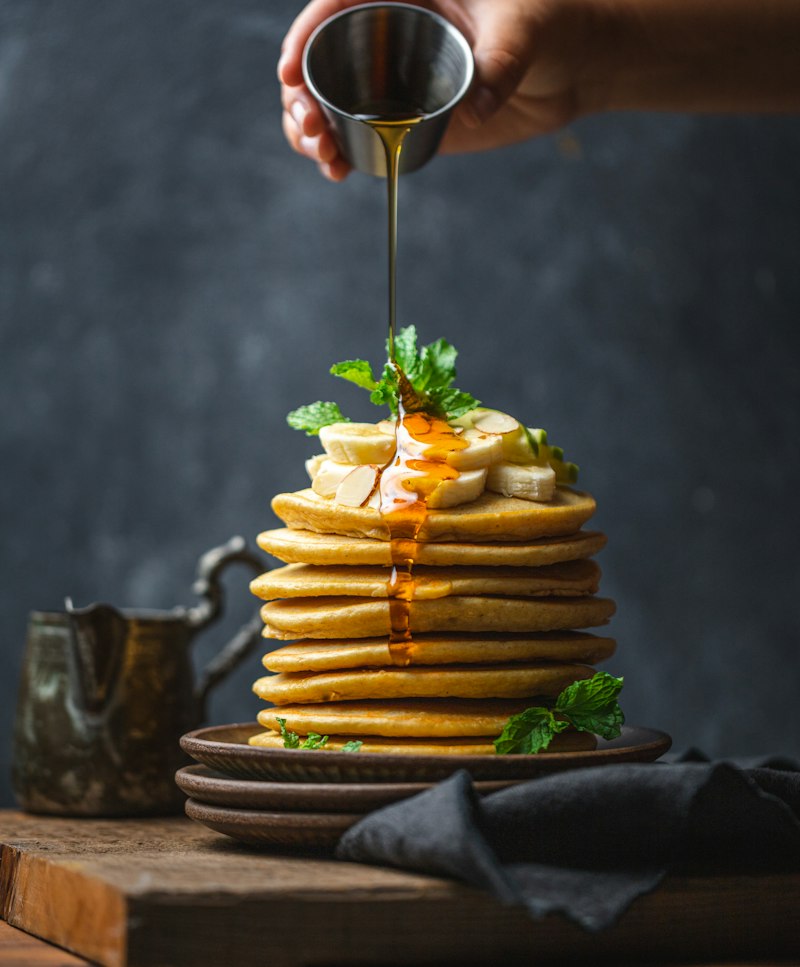
Fluffy buckwheat flour pancakes folded with earthy buckwheat microgreens — a savory-sweet breakfast with real depth of flavor.
ChefPax Recipes
ChefPax recipe
25 min
This quick and vibrant stir-fry showcases buckwheat microgreens, complemented by a spicy kick, perfect for a nutritious weeknight dinner.
ChefPax Recipes
ChefPax recipe
15 min
Elevate your brunch with this fresh and creamy tartine, featuring the earthy notes of buckwheat microgreens. Inspired by Ichi Umi Sushi's attention to fresh ingredients.
ChefPax Recipes
ChefPax recipe
20 min
This fluffy omelette is packed with buckwheat microgreens, providing a nutritious twist on a classic breakfast dish. A wonderful way to incorporate healthy greens into your morning routine.
ChefPax Recipes
ChefPax recipe
25 min
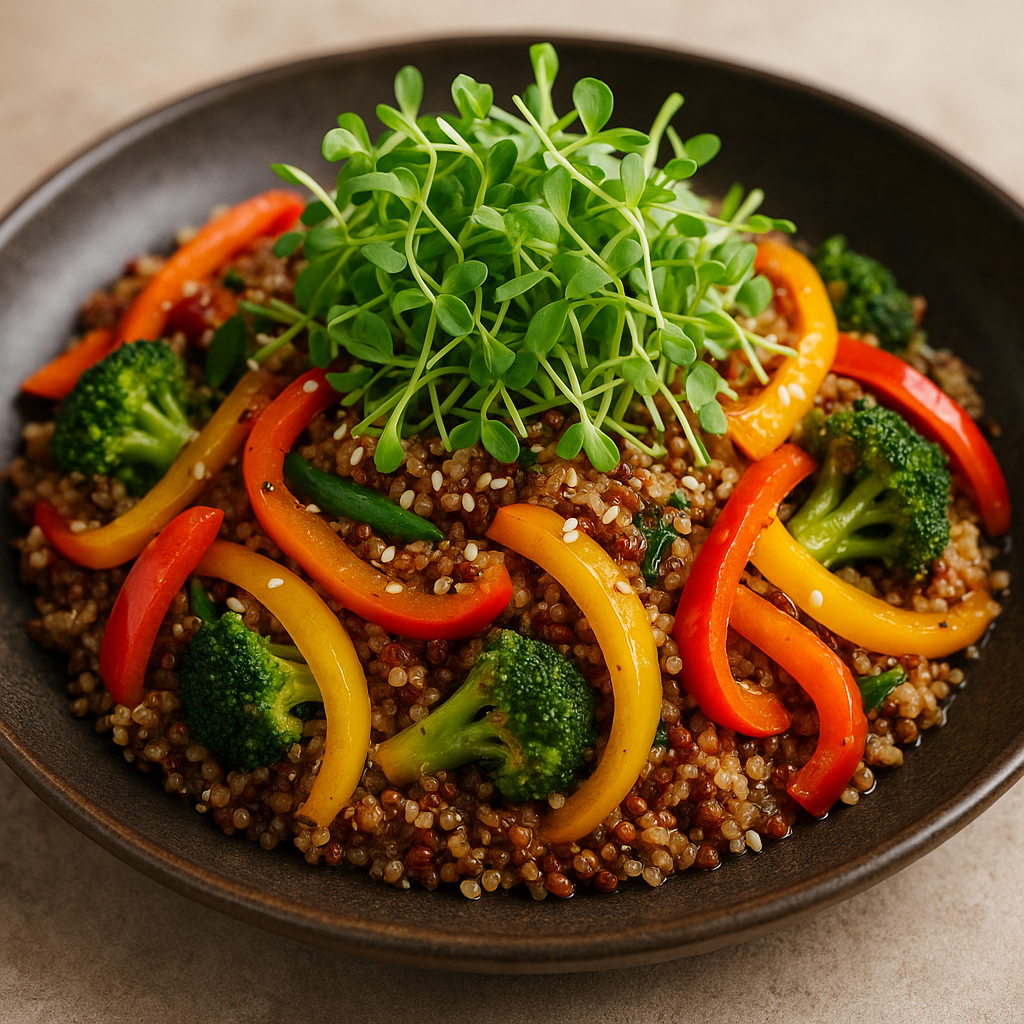
This vibrant quinoa stir-fry showcases buckwheat microgreens alongside colorful vegetables, creating a wholesome meal packed with nutrients. Inspired by the colorful presentations at IchiUmi Sushi.
ChefPax Recipes
ChefPax recipe
20 min
This vibrant salad showcases the nutty flavor of buckwheat microgreens, complemented by roasted vegetables and a tangy dressing. Inspired by IchiUmi Sushi's fresh ingredient approach.
ChefPax Recipes
ChefPax recipe
15 min
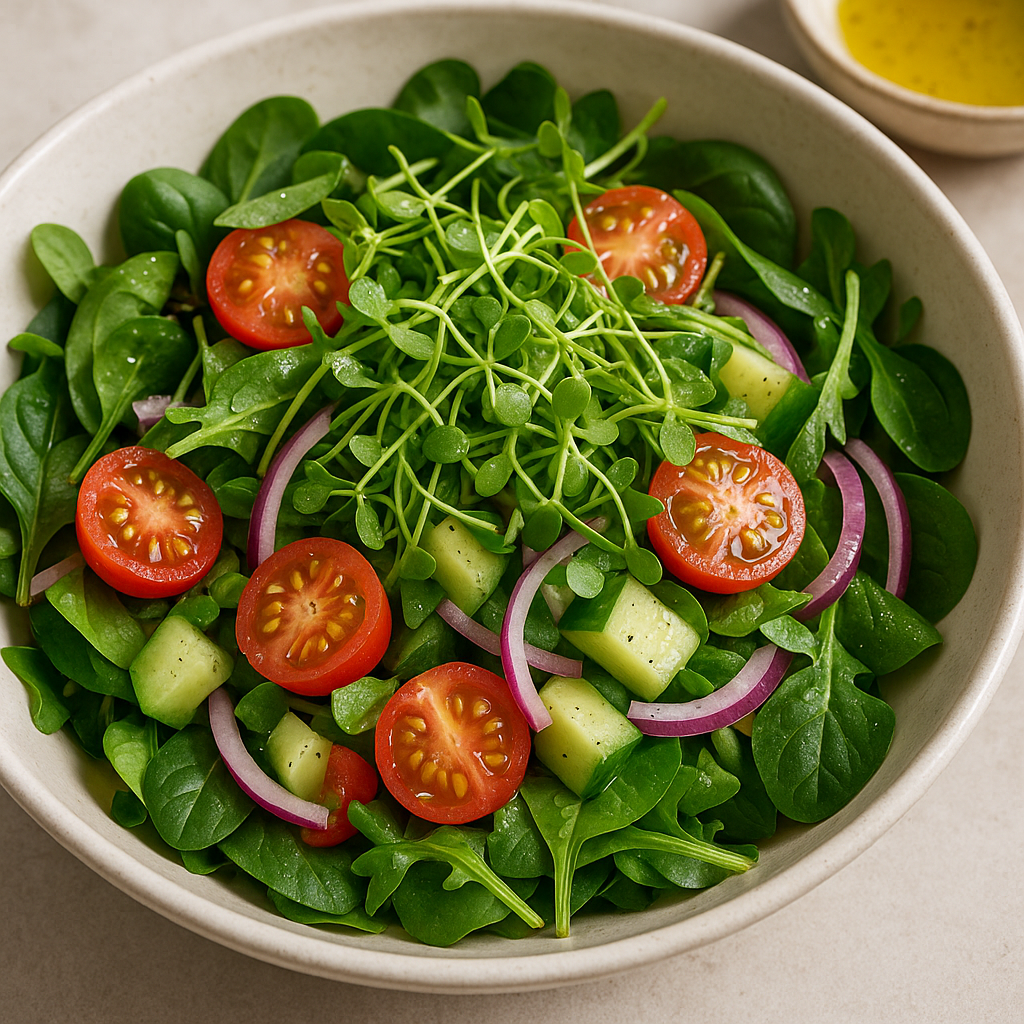
A refreshing salad that showcases buckwheat microgreens perfectly complemented by a zesty lemon dressing, ideal for a light meal or side dish.
ChefPax Recipes
ChefPax recipe
25 min
These delicious sushi rolls featuring buckwheat microgreens provide a fresh and vibrant twist, inspired by IchiUmi Sushi's innovative approach to sushi. Perfect for a light lunch or dinner.
ChefPax Recipes
ChefPax recipe
15 min
This vibrant salad showcases buckwheat microgreens' nutty flavor, paired with a zesty citrus dressing for a refreshing light meal. Inspired by the fresh, seasonal approach seen at IchiUmi Sushi.
ChefPax Recipes
ChefPax recipe
10 min
This quick and nutritious avocado toast features buckwheat microgreens, adding a unique flavor and burst of nutrition. Perfect for a healthy breakfast or snack!
ChefPax Recipes
ChefPax recipe
20 min
This vibrant salad bursts with flavors from fresh citrus and the nutty crunch of buckwheat microgreens, making it a perfect light meal.
Buckwheat microgreens have an earthy, slightly tangy flavor with a mild lemony finish. They're much more delicate than buckwheat flour or groats — think of a subtle, nutty green rather than anything strongly flavored.
No — buckwheat microgreens are the seedling stage of the buckwheat plant, harvested at 8–10 days. They share some nutritional traits with groats (complete protein, rutin) but have a completely different texture and a milder, fresher flavor.
Buckwheat microgreens are best used raw or added at the very end of warm dishes. Their thin stems wilt quickly under heat. Add them to grain bowls, soups, or pasta right before serving for the best texture.
Buckwheat microgreens are grown from Fagopyrum esculentum seed and cut young for a mild, lemony green with a tender stem. Research interest centres on the flavonoids rutin and quercetin, which rise sharply as the seed germinates. Most published work measures sprouts rather than tray-grown microgreens, so figures should be read as indicative of the germinating plant rather than of a specific harvest.
• Buckwheat is a recognised dietary source of the flavonoid rutin, and germination has been shown to raise rutin and quercetin levels well above those of the ungerminated seed.
moderate evidence• Published measurements are largely from sprouts rather than tray-grown microgreens, and values vary with cultivar, germination time, and growing conditions.
strong evidence• Buckwheat is not a cereal and contains no gluten, though shared handling and milling can introduce cross-contact.
strong evidence1. Analysis of Phenolic Compounds in Buckwheat (Fagopyrum esculentum Moench) Sprouts Modified with Probiotic Yeast — Molecules, 2022
Pick a plating goal and ChefPax will shape a tasting set around flavor, texture, and service use.
I'm plating seafood
Aromatic, citrus-friendly herbs for crudo, oysters, salmon, white fish, and raw bar plates.
Bronze Fennel
anise aroma and feathery heightCurled Chervil
soft French-herb liftPea Shoots
sweet height and clean stemsShiso
Japanese aromatic contrastWhat are you making? Get a reviewed pairing grounded in what ChefPax can actually supply.
Browse ChefPax by the way chefs actually choose garnish: dish, service context, and flavor job.
Best microgreens for seafood
The best microgreens for seafood are bronze fennel, curled chervil, pea shoots, and shiso because they add aroma, height, and freshness without overwhelming delicate fish.
Best microgreens for steak
The best microgreens for steak are Chinese Mahogany, radish, wasabi mustard, and nasturtium because they cut richness with savory depth, pepper, or mustard-like heat.
Best garnish crops for cocktails
The best garnish crops for cocktails are bronze fennel, lemon basil, nasturtium, and shiso because they bring aroma and visual precision to the rim or glass.
Best mild microgreens for sandwiches
The best mild sandwich greens are alfalfa sprouts, broccoli microgreens, sunflower, and pea shoots because they add texture without dominating the filling.
Best specialty crops for chefs
The best ChefPax specialty crops for chefs are Chinese Mahogany, bronze fennel, curled chervil, shiso, nasturtium, and red amaranth.
Best herbs for French plating
The best microgreen herbs for French plating are curled chervil, bronze fennel, parsley, and sorrel because they bring restrained aroma and clean finishing flavor.
Best crops for spicy dishes
The best crops for spicy dishes are Rambo radish, wasabi mustard, nasturtium, and cilantro because they add heat, brightness, or fresh herbal contrast.
Looking for something else?
All ChefPax recipes →