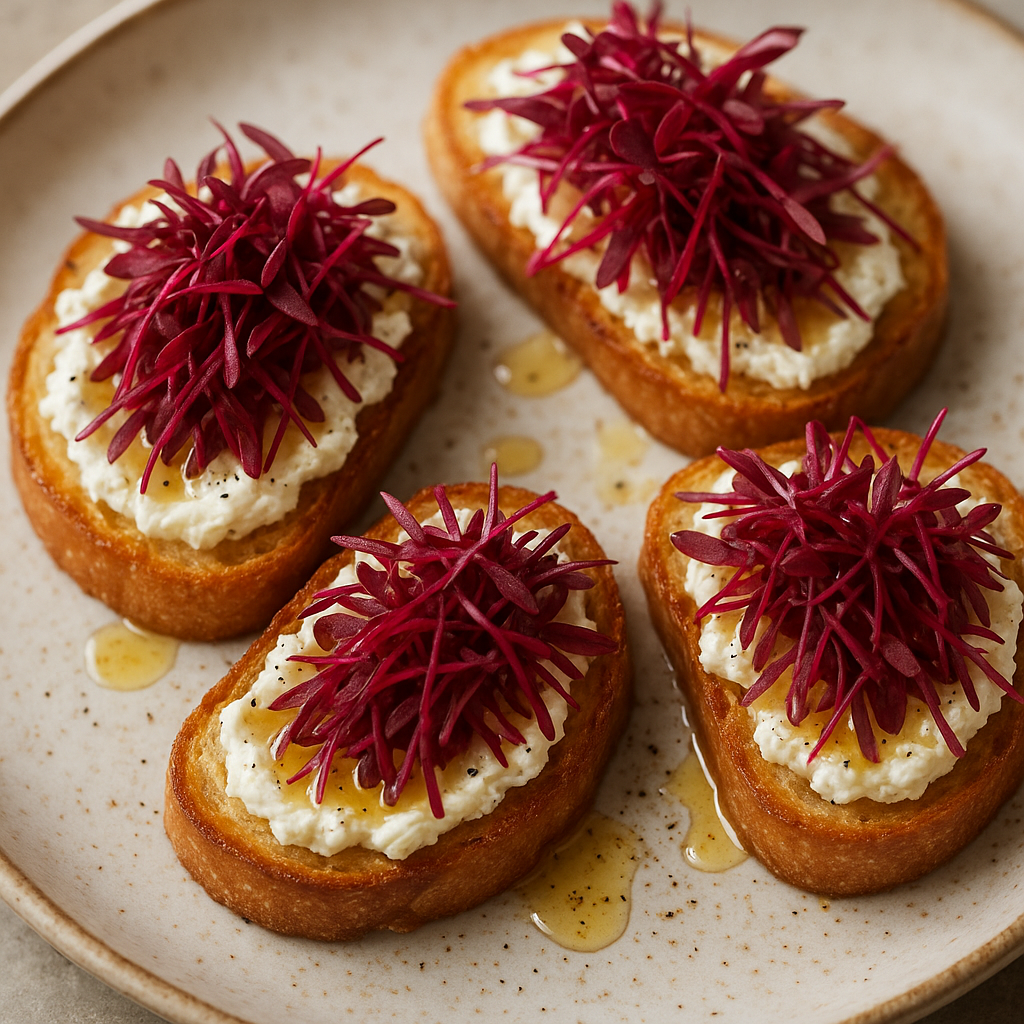
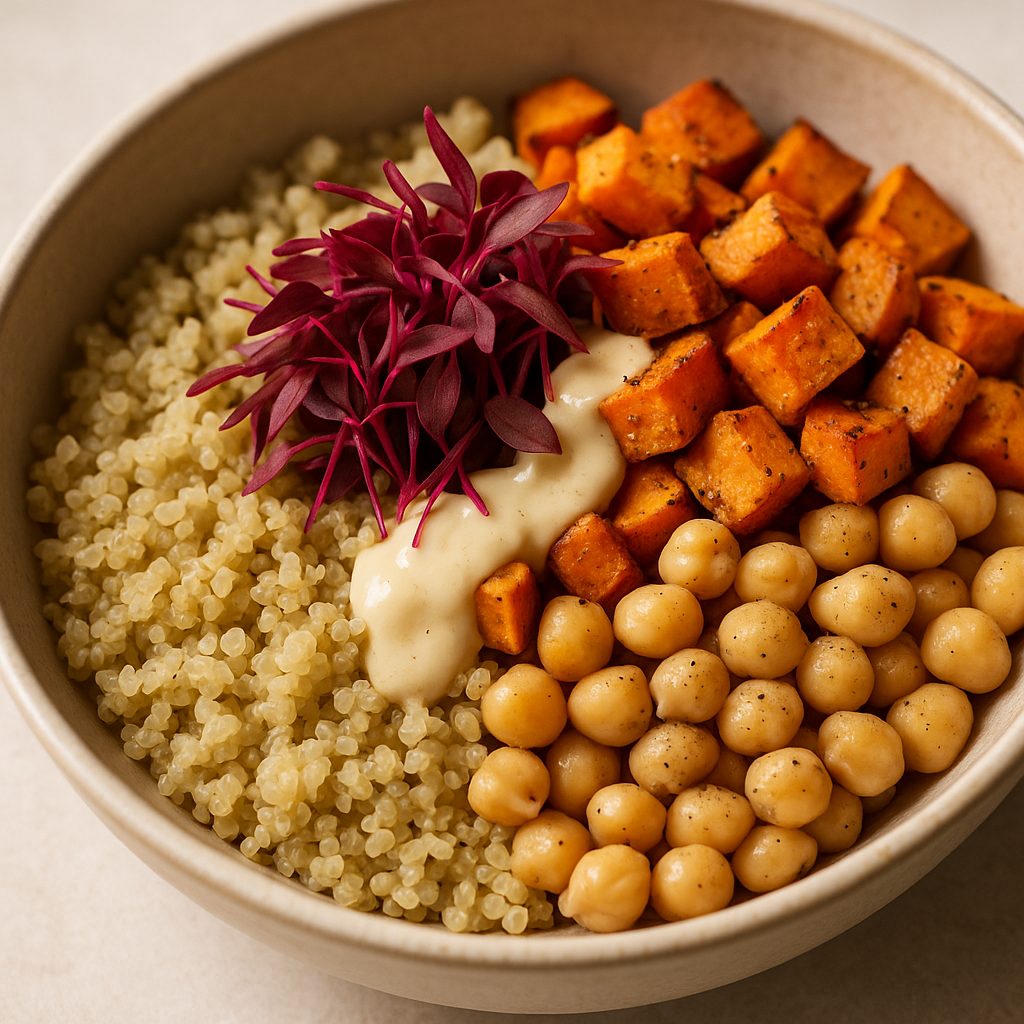
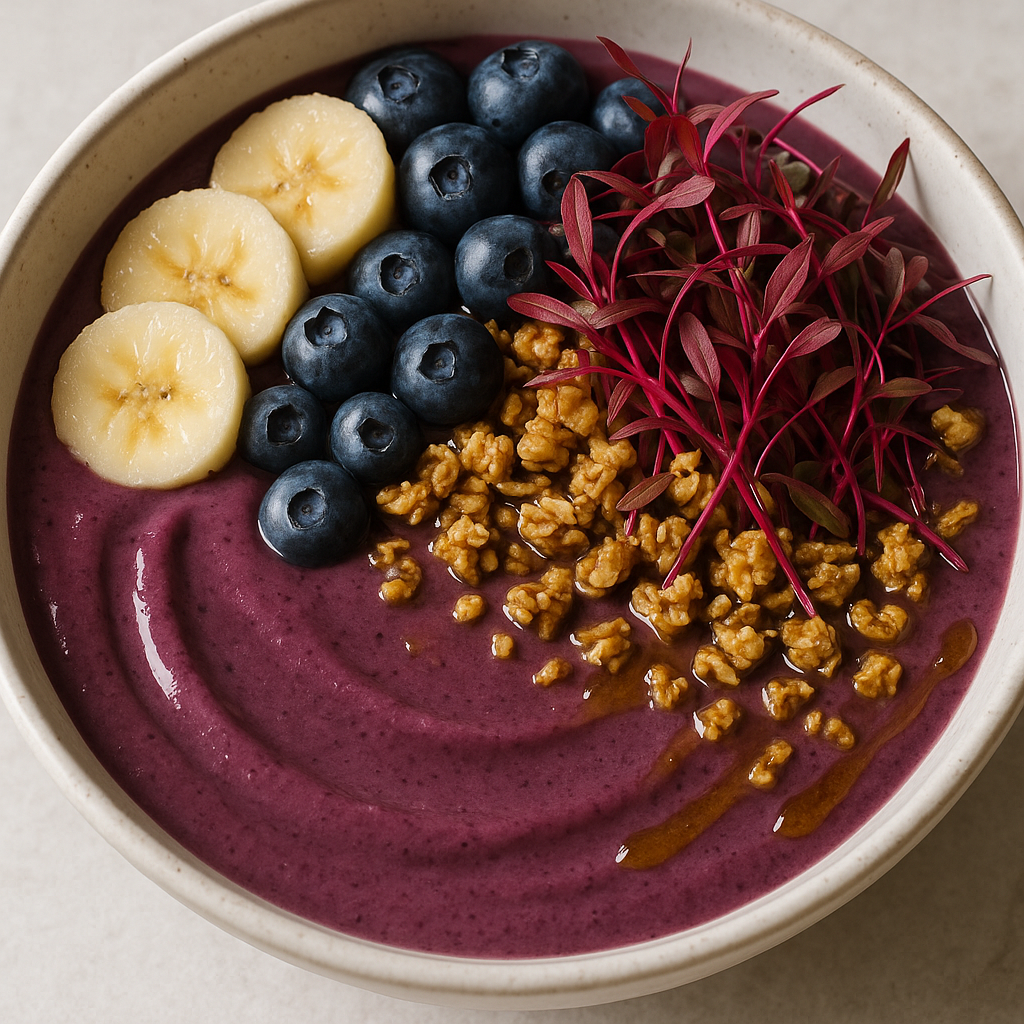
Nasturtium microgreens add edible flower visual impact and a mild peppery note that pairs naturally with citrus-forward spirits — gin, tequila, and Aperol programs. Dark opal basil microgreens bring a wine-dark purple color and a pronounced aromatic finish to gin cocktails, vodka spritzes, and herb-forward drinks. Amaranth provides jewel-toned magenta color contrast on light-colored cocktails — Champagne service, white wine spritzes, and pale aperitifs — without adding dominant flavor. All three work as rim garnishes or floated on surface, and hold their visual integrity for 20–30 minutes in a glass.
Can you put microgreens in a cocktail?
Microgreens work best as a garnish placed on the rim, floated on the surface, or rested across the top of the glass rather than muddled or steeped into the drink. They add visual height, aroma on approach, and a final flavor cue at the end of a sip. Basil and nasturtium are the strongest aromatic choices for bar programs. Amaranth is better for purely visual applications where you want color without changing the drink profile. Avoid delicate varieties that wilt quickly — radish and pea shoots break down faster in humid bar environments.
What edible garnishes work for bar programs?
For high-volume bar programs, amaranth microgreens offer consistent color impact with minimal flavor interference — ideal for brunch cocktails, Champagne service, and aperitif programs where visual consistency matters across dozens of glasses. Dark opal basil microgreens add an herbaceous aromatic finish to gin cocktails, vodka drinks, and spritzes. Nasturtium provides the visual impact of edible flowers at a fraction of the sourcing complexity — available weekly from a single local supplier rather than coordinating with multiple flower vendors.
Which microgreens are best for brunch cocktail menus?
Brunch cocktail programs benefit from microgreens that can appear on multiple menu items without tasting forced. Dark opal basil works across bloody marys, spritzes, and wine cocktails — the aromatic note is versatile enough to complement tomato juice and sparkling wine equally. Sunflower microgreens add structural volume and a mild nutty note that reads well on heavier brunch cocktails like frozen drinks or morning mocktails. Amaranth holds up best for high-volume brunch service where speed matters and visual consistency across many glasses is the priority.
How long do microgreens last as a cocktail garnish?
Microgreens used as cocktail garnish hold their visual integrity for 20–30 minutes at room temperature before wilting becomes noticeable. For table service, place the garnish as close to serving as possible. For bar display or long cocktail parties, amaranth and radish hold better than basil or pea shoots. Live tray microgreens cut immediately before use will last significantly longer than pre-cut greens that have been refrigerated — which is why Austin bar programs increasingly use weekly live tray delivery from ChefPax rather than pre-packaged cut greens.
Where do Austin bars source microgreens for cocktail programs?
Austin bar programs sourcing microgreens for cocktail garnish typically work with local growers rather than produce distributors — local delivery means fresher trays with longer shelf life than centrally shipped greens. ChefPax delivers live tray microgreens weekly to Austin restaurant and hospitality accounts, including bar programs in Downtown Austin, East Austin, and South Congress. Nasturtium, dark opal basil, and amaranth are available in 5×5 trays suited to garnish-scale use. Net terms available for standing bar accounts.