Glebionis coronaria

Shungiku (Glebionis coronaria), also known as chrysanthemum greens or garland chrysanthemum, is one of the most culturally specific microgreens in the ChefPax lineup — and one of the most underknown outside Japanese and Chinese cooking traditions. ChefPax grows the 3 Color Daisy variety in both 5×5 and 10×20 trays, surface-sown on coco coir with a 2–3 day blackout and harvest in 10–14 days.
The result is a decorative, aromatic microgreen with three-color leaves (green, yellow-green, and pale yellow) that carry a herbaceous, slightly bitter, distinctly aromatic flavor that is irreplaceable in authentic Japanese hot pot (nabe) and sukiyaki recipes. Shungiku has been used in East Asian cooking for over a thousand years — the leaves and shoots of the chrysanthemum plant are as fundamental to Japanese autumn and winter cooking as basil is to Italian cuisine.
In Austin, shungiku microgreens have found a home in the Japanese restaurant community and among home cooks who discovered them through Japanese cooking channels. The distinctive appearance — decorative enough to function as a plating element — and the culturally specific flavor make shungiku a specialty crop that's difficult to source locally in Austin, which is exactly why ChefPax grows it.
Shungiku Microgreens are a ChefPax microgreen crop grown near Austin for japanese hot pot (nabe, shabu-shabu, sukiyaki), chef plating, and home cooking. They are selected for concentrated flavor, texture, and cut-to-order freshness.
Shungiku Microgreens are part of the ChefPax crop library for chefs, restaurants, and home cooks in Austin, Texas. Shungiku microgreens taste herbaceous, slightly bitter, and distinctly aromatic with a quality that's difficult to compare to any Western herb — it's chrysanthemum-specific, recognizable to anyone familiar with Japanese hot pot. There's a pleasant vegetal quality with bitter notes that complement rich, umami-forward broths and dipping sauces. The three-color leaves add visual complexity to any dish. In the kitchen, they work especially well with Japanese hot pot (nabe, shabu-shabu, sukiyaki), Miso soup as a finishing green added just before serving, Cold tofu dishes with ponzu and sesame, Ramen as a traditional garnish. ChefPax focuses on crop-specific handling, fresh delivery, and practical culinary use so buyers can choose the right tray by flavor, texture, and service context.
Move from recipe inspiration to ordering: choose a smaller chef tray for trials or a 10x20 format for service volume.
Shungiku — 5×5 Tray
herbaceous, slightly bitter, aromatic flavor
Shungiku — 10×20 Tray
herbaceous, slightly bitter, aromatic flavor
Shungiku provide a more concentrated crop-specific flavor and a smaller finishing format than standard salad greens.
Shungiku microgreens taste herbaceous, slightly bitter, and distinctly aromatic with a quality that's difficult to compare to any Western herb — it's chrysanthemum-specific, recognizable to anyone familiar with Japanese hot pot. There's a pleasant vegetal quality with bitter notes that complement rich, umami-forward broths and dipping sauces. The three-color leaves add visual complexity to any dish.
Shungiku microgreens are rich in vitamins A and C, calcium, iron, and magnesium — the same nutritional profile as mature chrysanthemum greens but more concentrated at the microgreen stage. They contain unique bitter compounds (lactucin and related sesquiterpene lactones) that have been studied for their anti-inflammatory properties. In traditional Japanese medicine, shungiku has been used as a digestive aid and to support respiratory health.
For a deeper look at vitamins and phytonutrients studied across varieties, see the microgreens nutrition guide.
Use the flavor wheel as a chef-facing shortcut from taste to products, recipes, and pairings.
Anise / licorice
Flavor pathSweet aromatic herbs for seafood, cocktails, eggs, and cream sauces.
Shungiku microgreens are available in 5×5 and 10×20 formats. Refrigerate cut 5×5 trays and use within 3–5 days. The 10×20 live tray can be kept at room temperature in indirect light and snipped as needed over 7–10 days. The decorative three-color leaves hold their appearance well.
Full storage tips — container types, fridge placement, and shelf life by crop — are in the microgreens storage guide.
ChefPax Recipes
ChefPax recipe
10 min
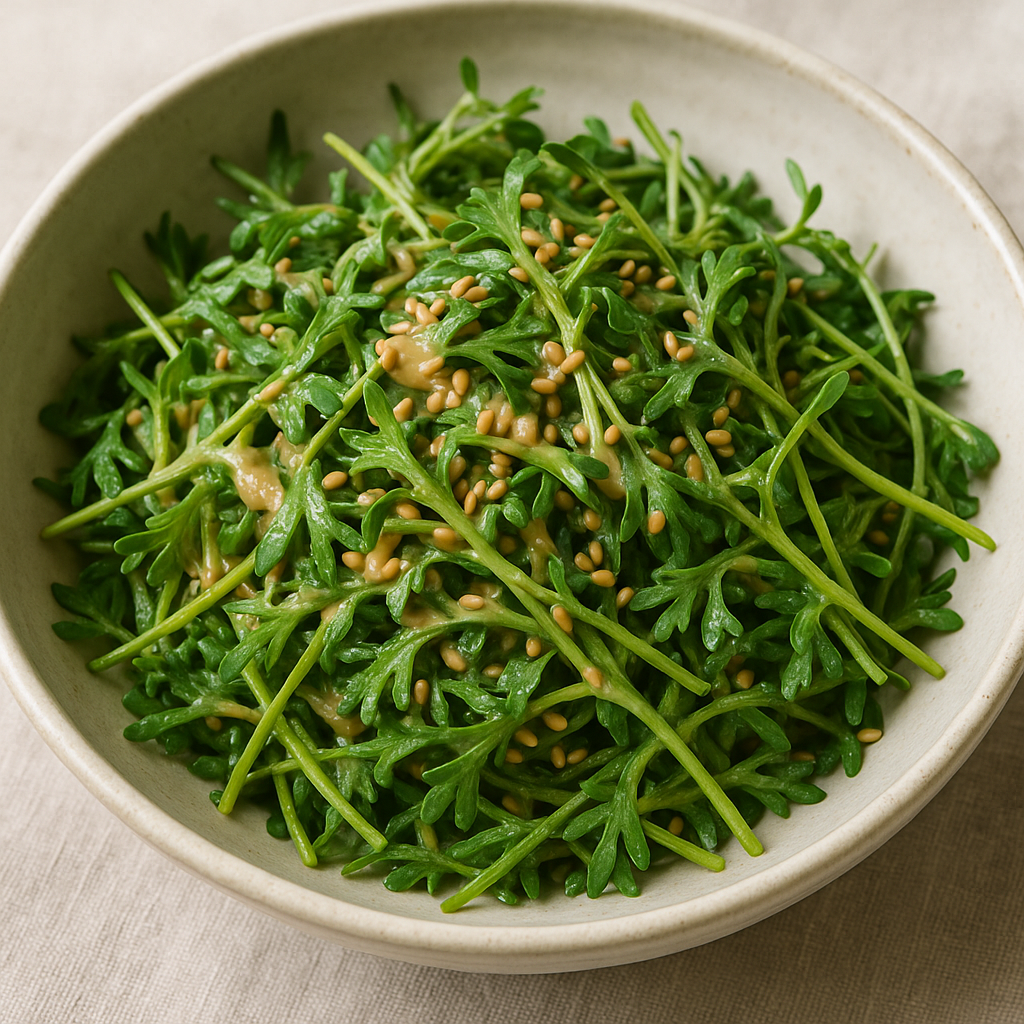
Shungiku (chrysanthemum) microgreens tossed with a toasted sesame-soy dressing — the floral, slightly bitter greens pair perfectly with nutty sesame.
ChefPax Recipes
ChefPax recipe
10 min
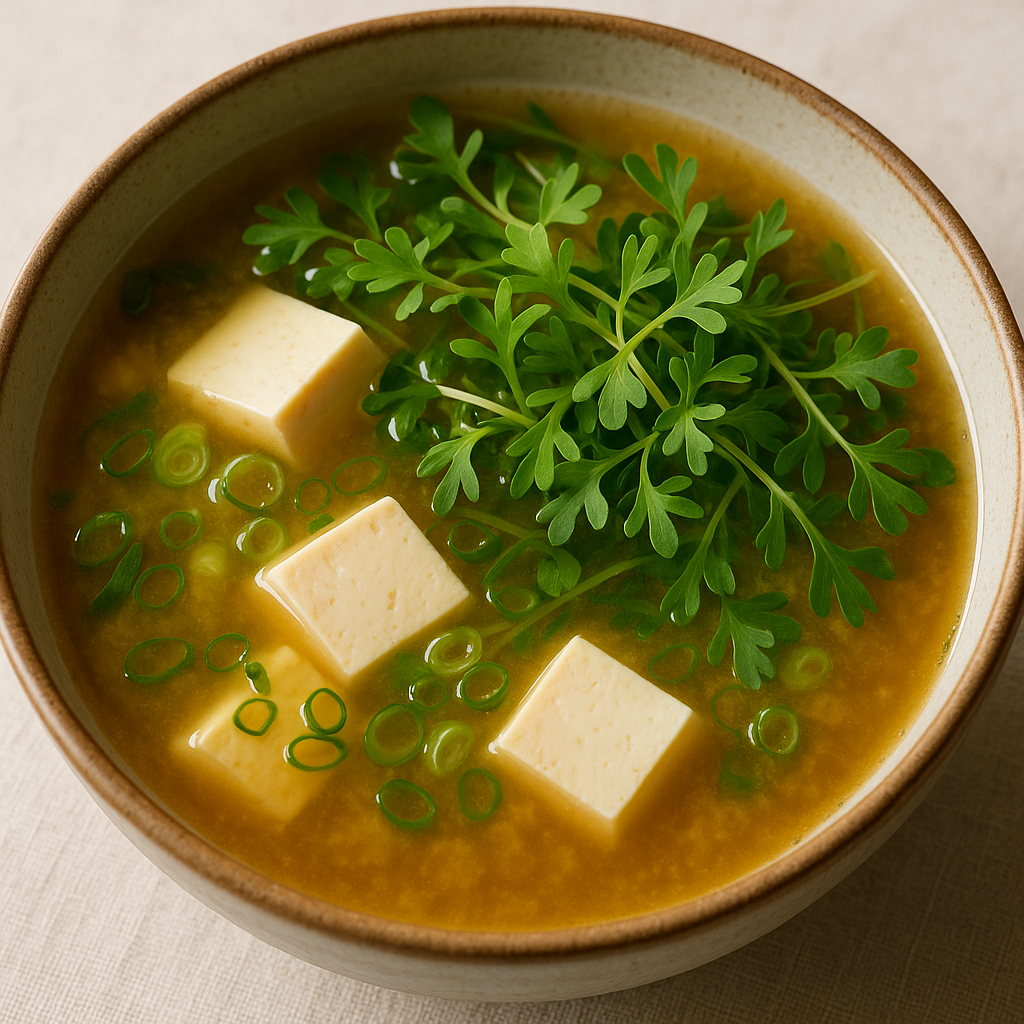
Classic dashi-based miso soup with silken tofu and shungiku microgreens stirred in off the heat for floral, bittersweet herbal notes.
ChefPax Recipes
ChefPax recipe
30 min
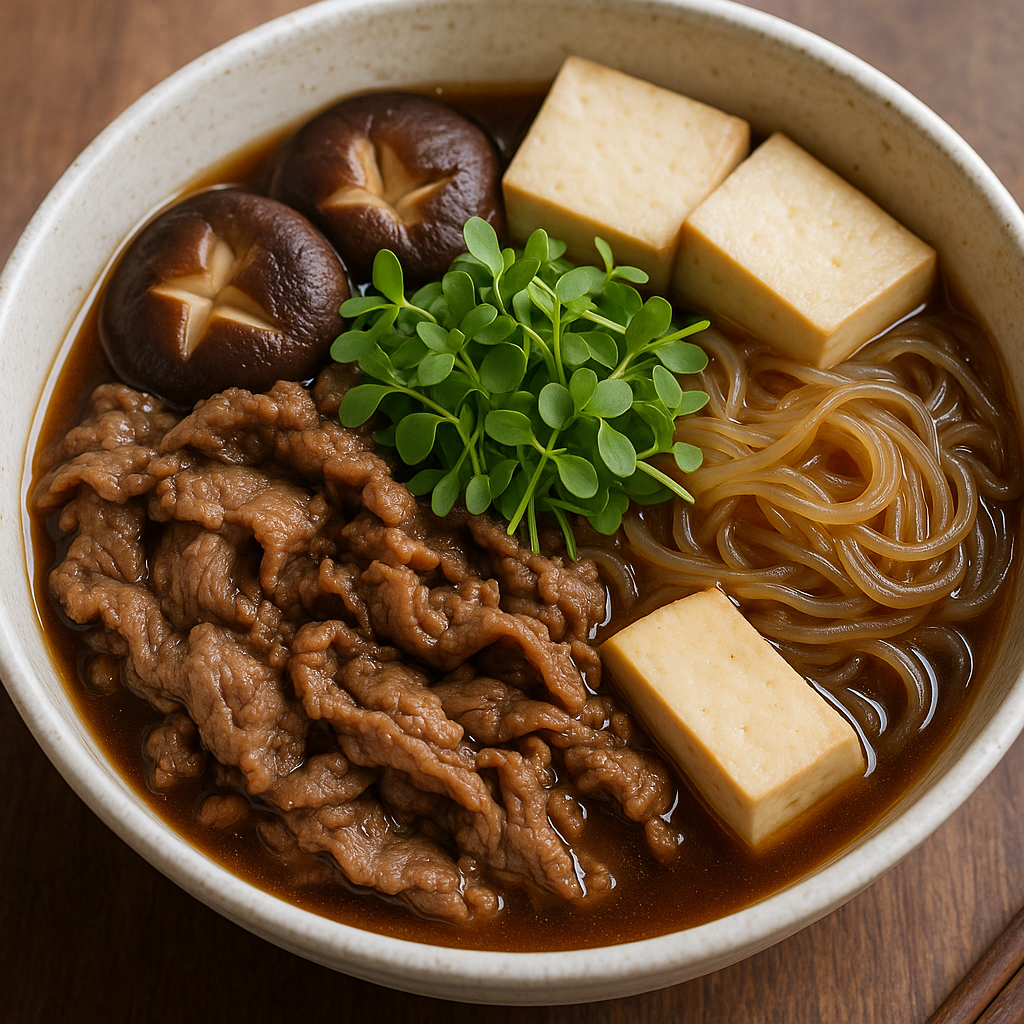
A simplified sukiyaki-style beef bowl with sweet soy broth, glass noodles, tofu, and shungiku microgreens added at the table.
ChefPax Recipes
ChefPax recipe
30 min
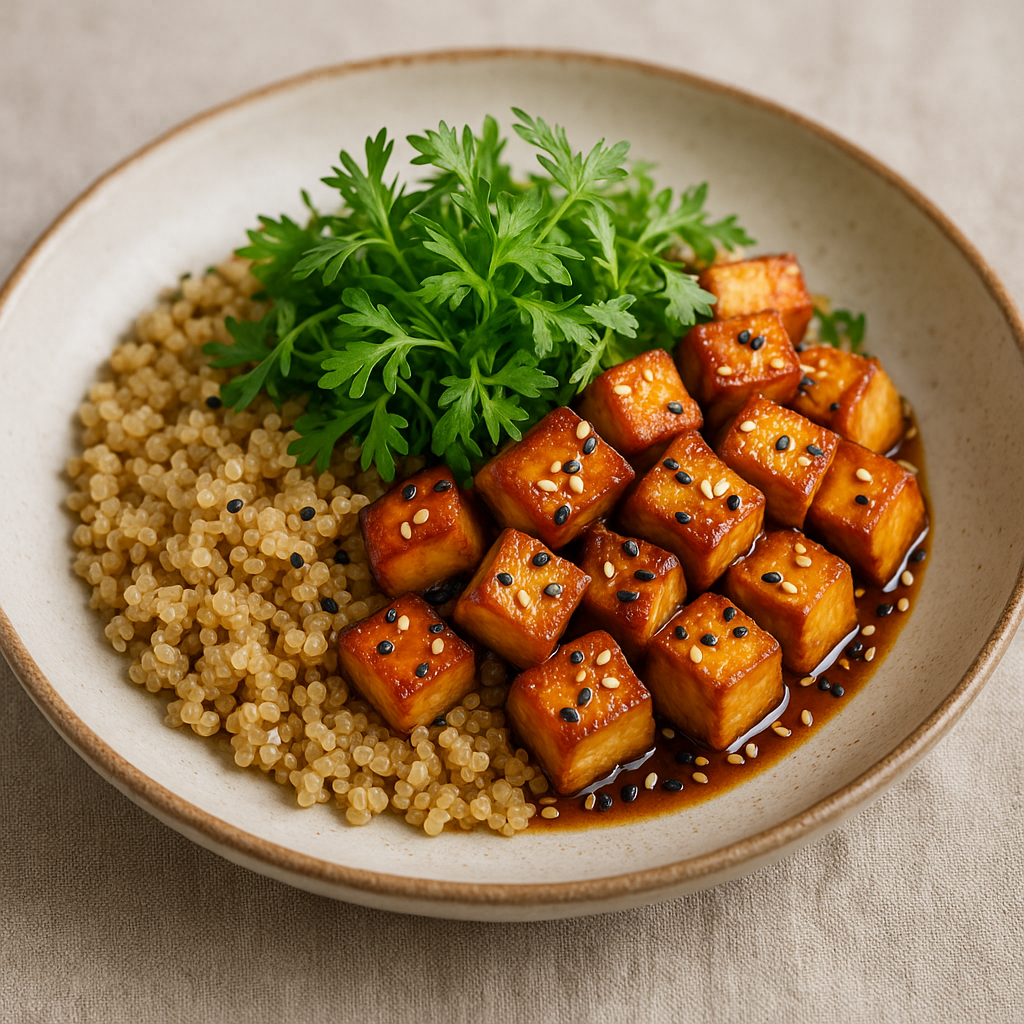
This nourishing quinoa bowl is packed with protein-rich tofu and vibrant shungiku microgreens, making it a perfect healthy meal.
ChefPax Recipes
ChefPax recipe
20 min
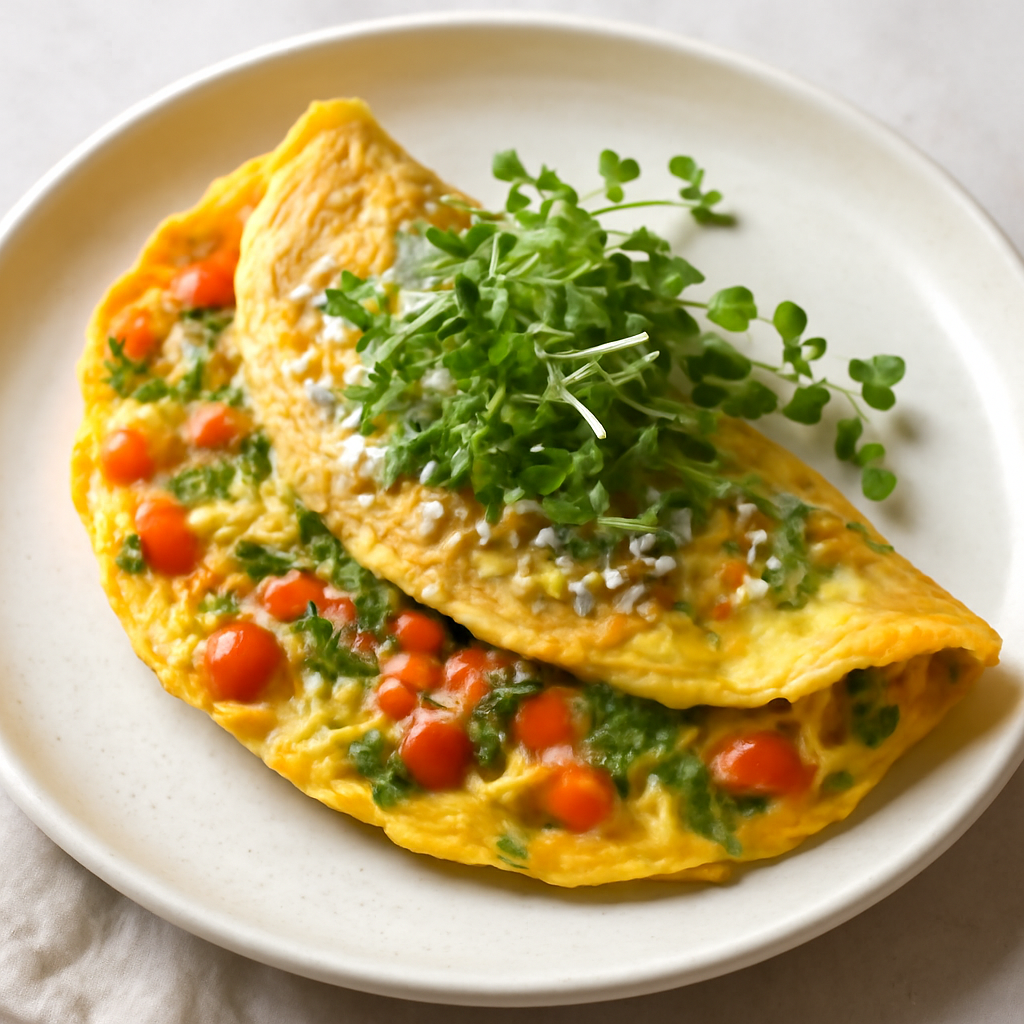
This fluffy omelette features shungiku microgreens for a unique twist, adding a fresh and slightly peppery flavor to your breakfast.
ChefPax Recipes
ChefPax recipe
10 min
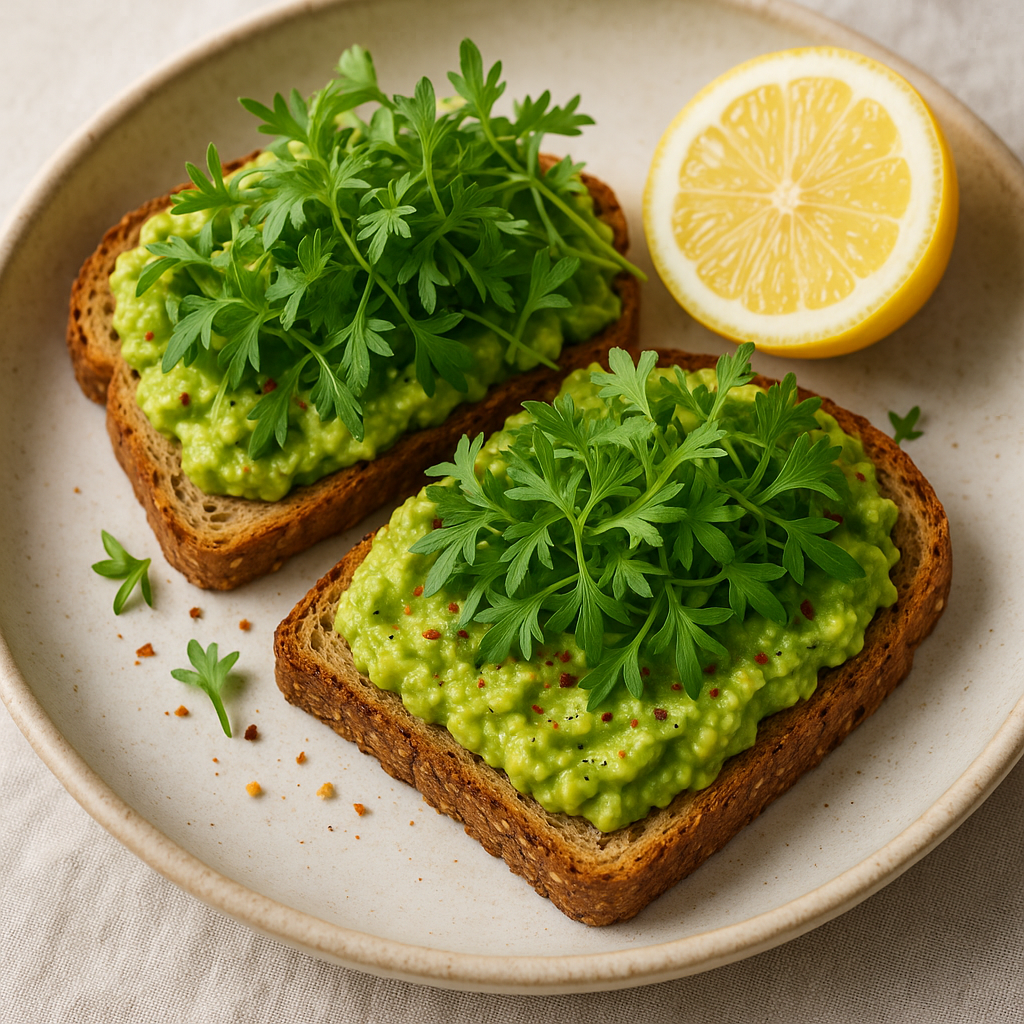
Elevate your breakfast with this creamy avocado toast topped with fresh Shungiku microgreens, perfect for a healthy start to your day.
ChefPax Recipes
ChefPax recipe
25 min
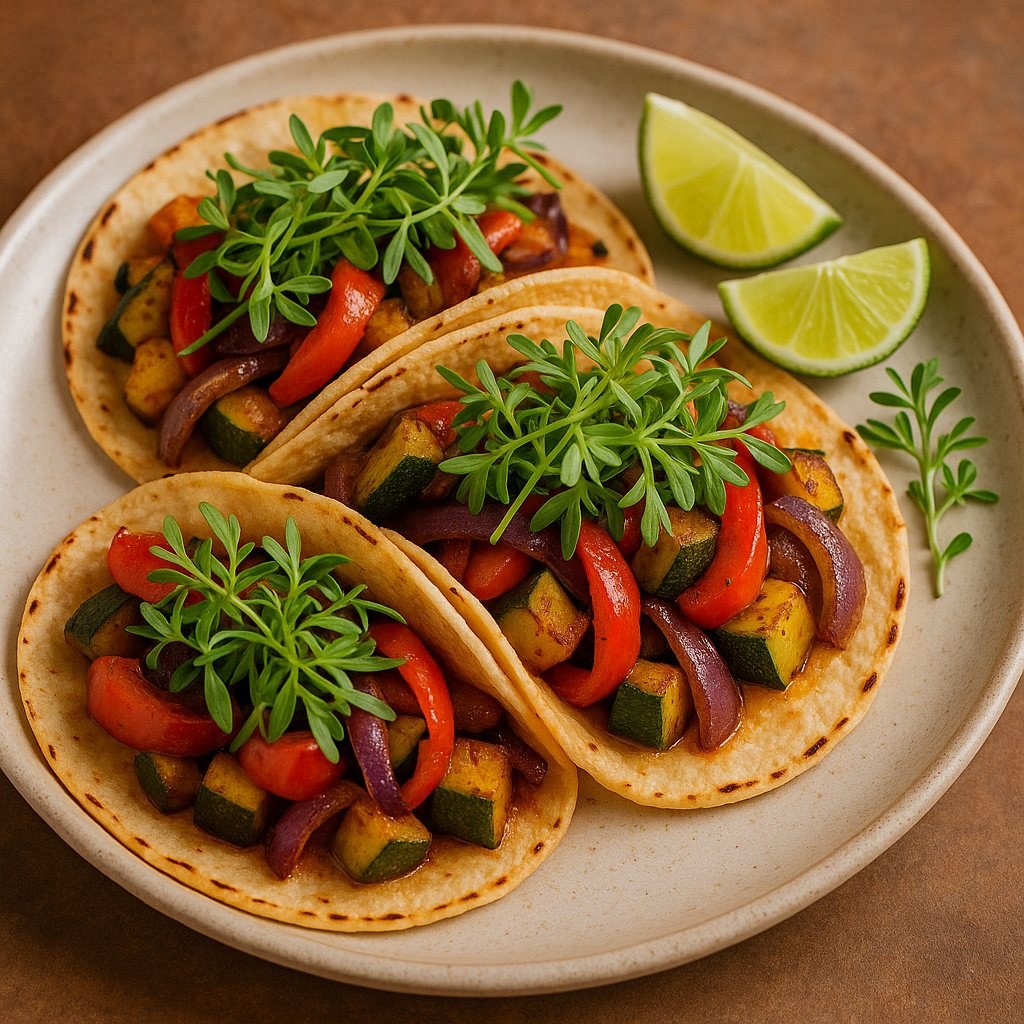
These delicious tacos are loaded with colorful spicy roasted vegetables and topped with shungiku microgreens for a fresh crunch. Inspired by the vibrant dishes at Verde's Mexican Parrilla.
ChefPax Recipes
ChefPax recipe
20 min
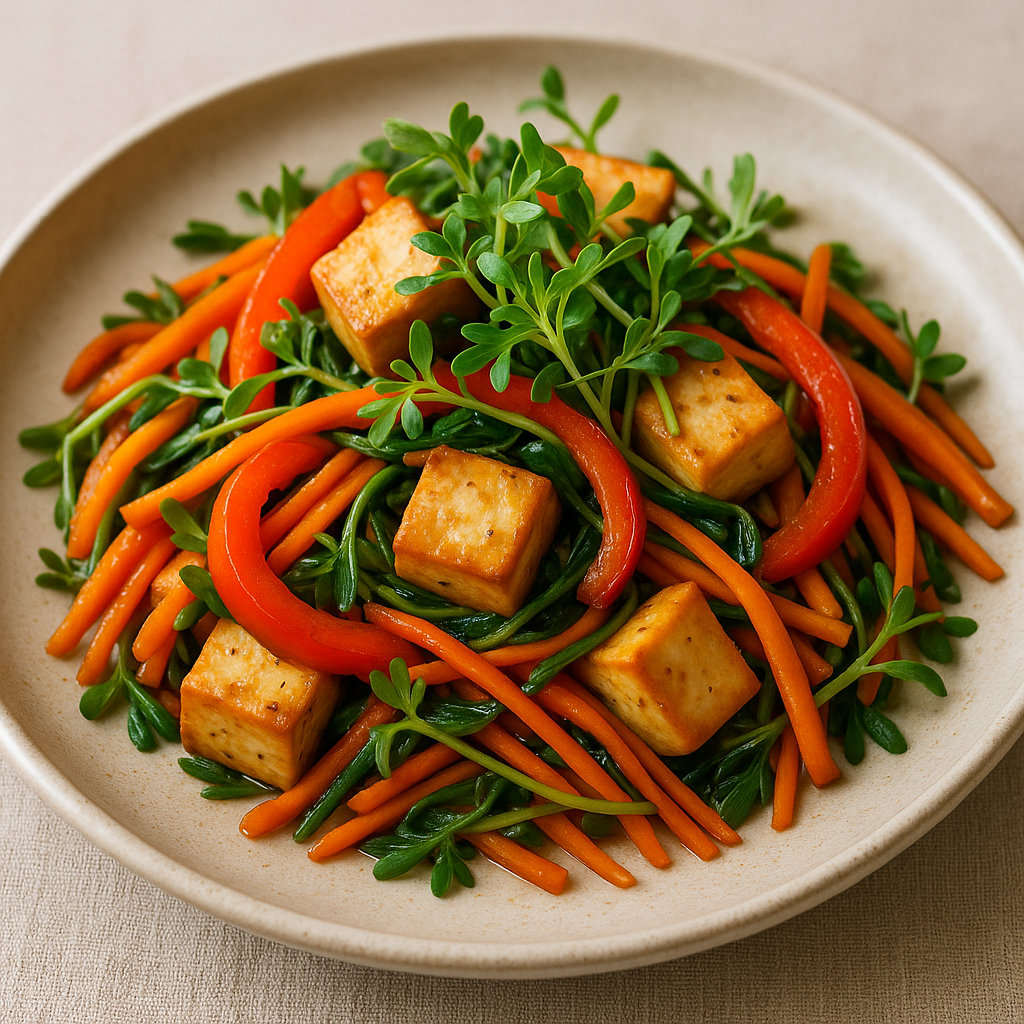
This vibrant stir-fry combines the unique flavor of shungiku microgreens with tofu, creating a quick, nutritious meal bursting with fresh ingredients.
ChefPax Recipes
ChefPax recipe
25 min
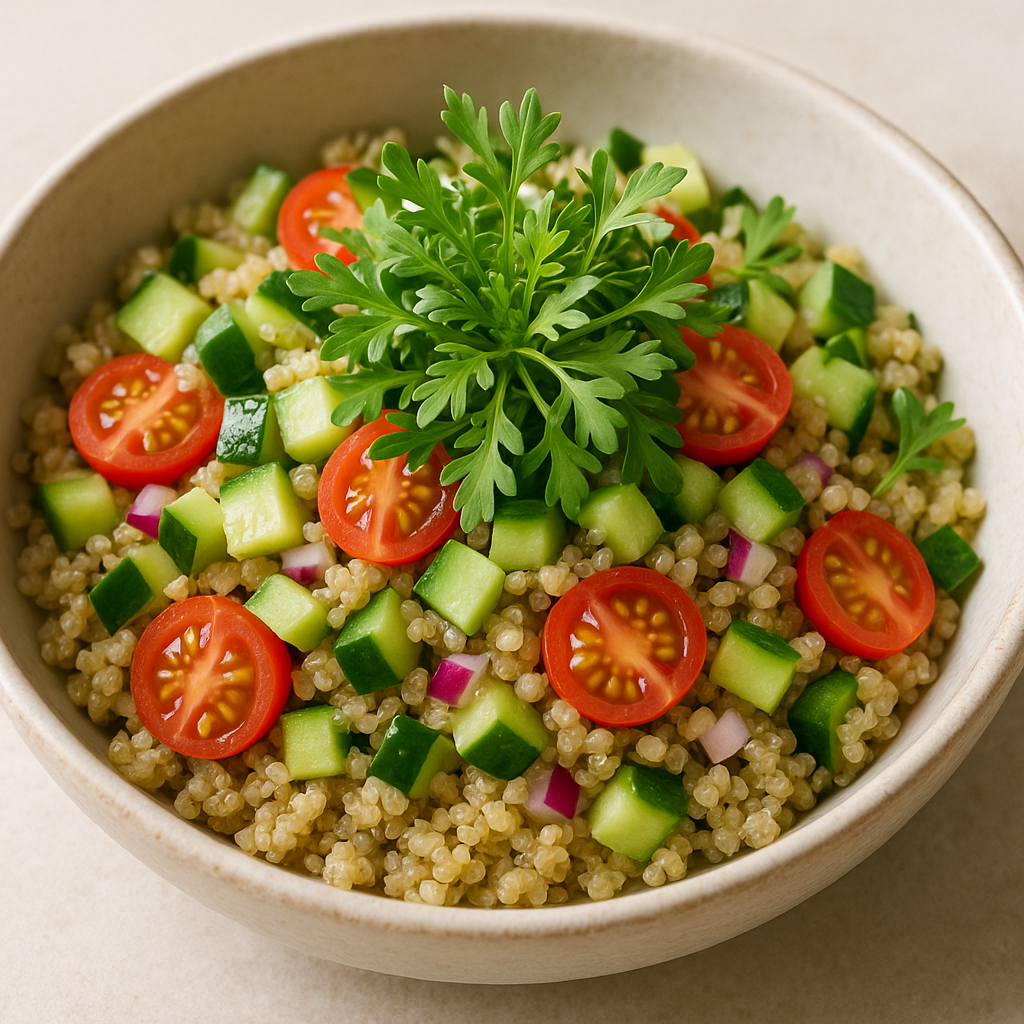
This refreshing quinoa salad showcases shungiku microgreens, adding a unique taste, and pairing beautifully with crunchy vegetables and a zesty dressing.
ChefPax Recipes
ChefPax recipe
15 min
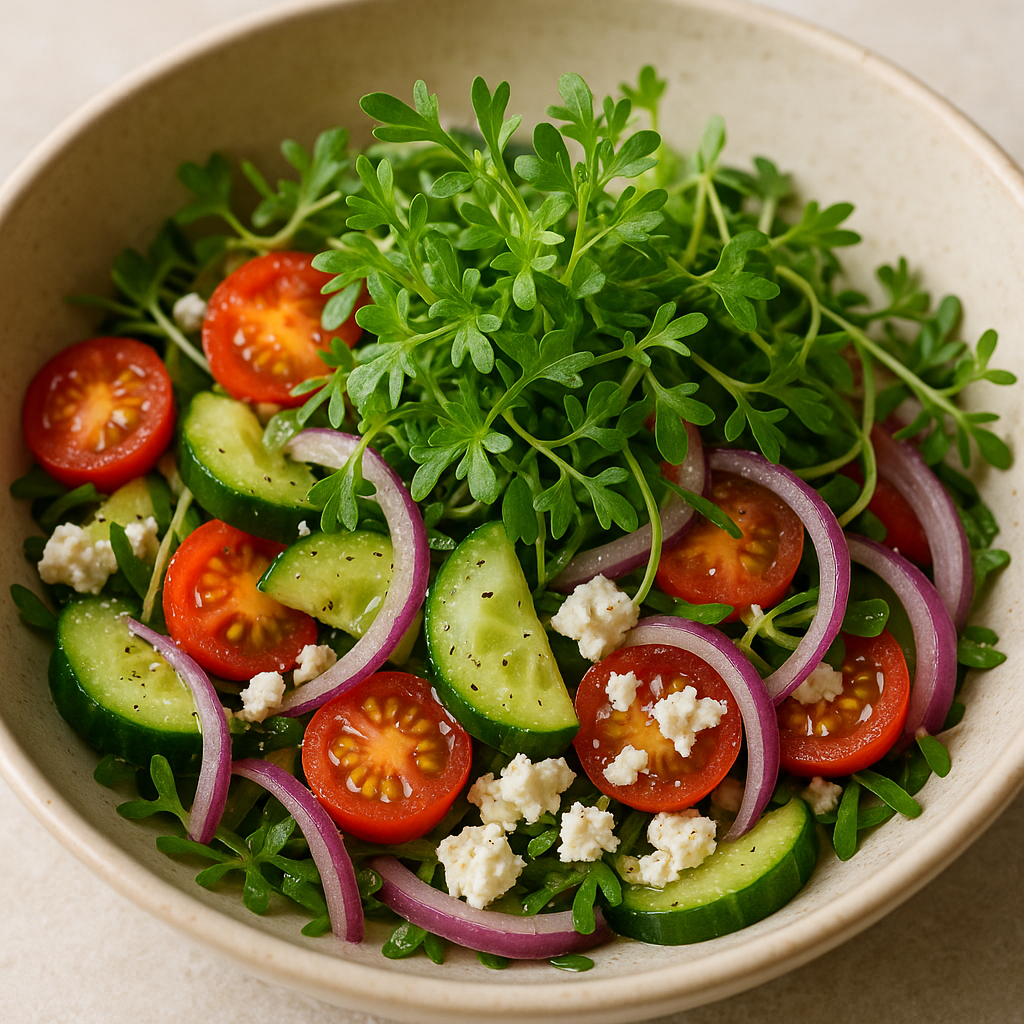
This refreshing salad highlights the unique, slightly bitter flavor of shungiku microgreens paired with a zesty citrus vinaigrette.
ChefPax Recipes
ChefPax recipe
15 min
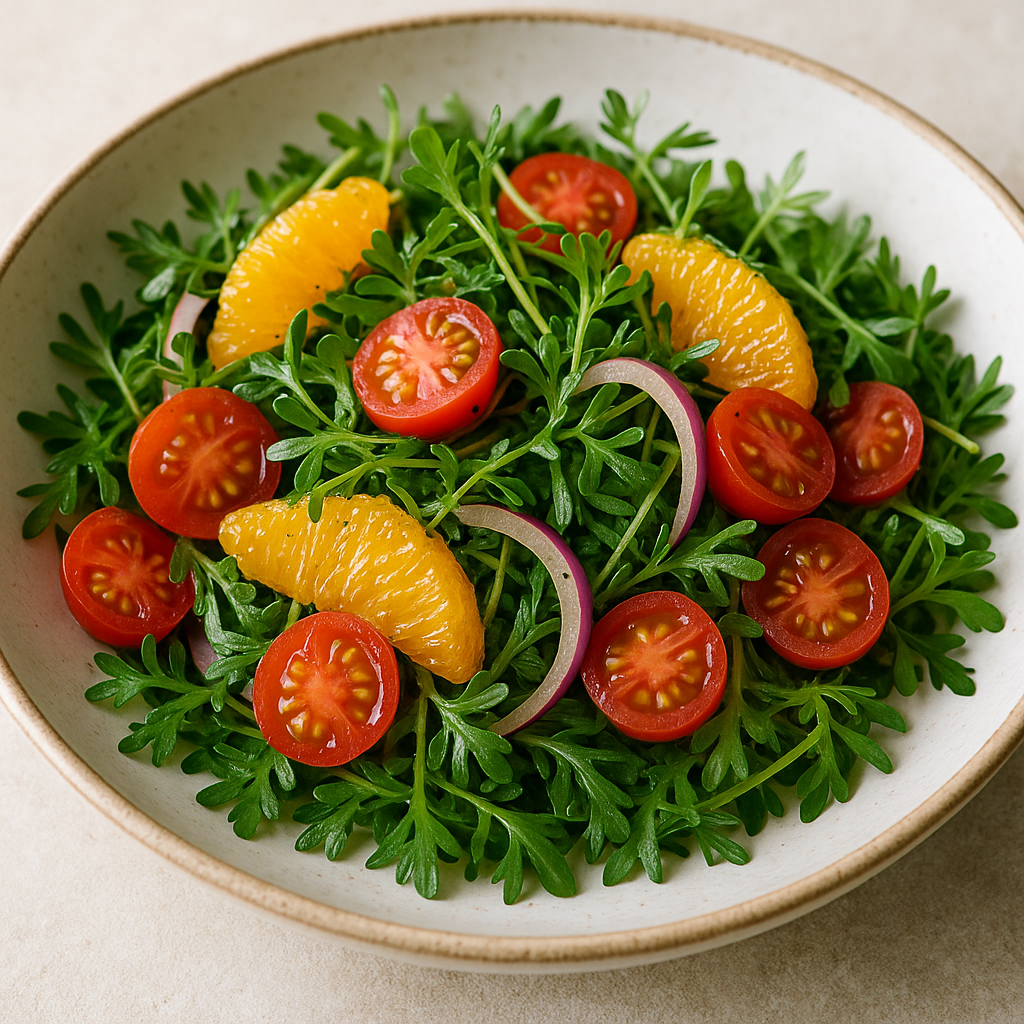
This refreshing salad showcases the delicate flavor of Shungiku microgreens, complemented by a zesty citrus vinaigrette. Inspired by the vibrant dishes at Trattoria Lisina.
ChefPax Recipes
ChefPax recipe
30 min
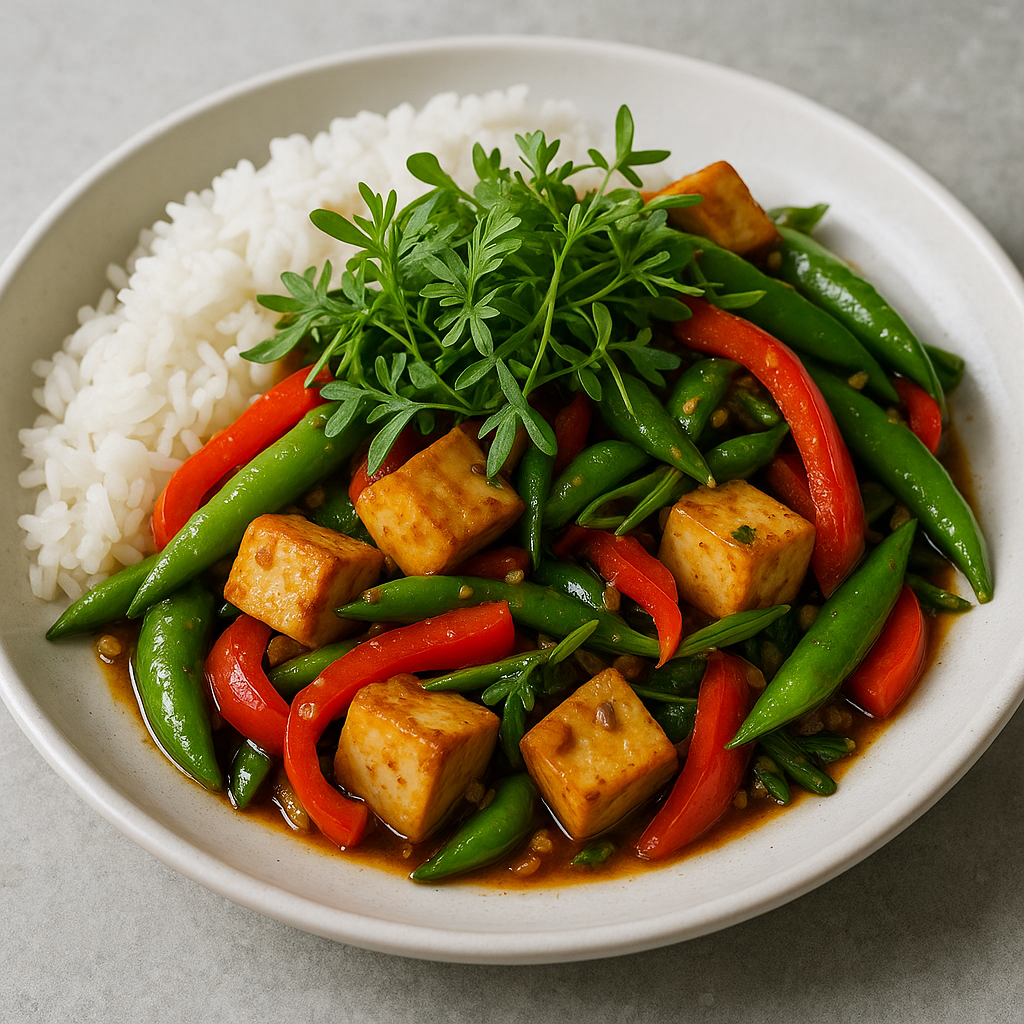
This quick and nutritious stir-fry combines tender tofu and vibrant shungiku microgreens, delivering a colorful and satisfying meal. Inspired by the fresh flavors at The Lighthouse Restaurant & Lounge.
ChefPax Recipes
ChefPax recipe
15 min
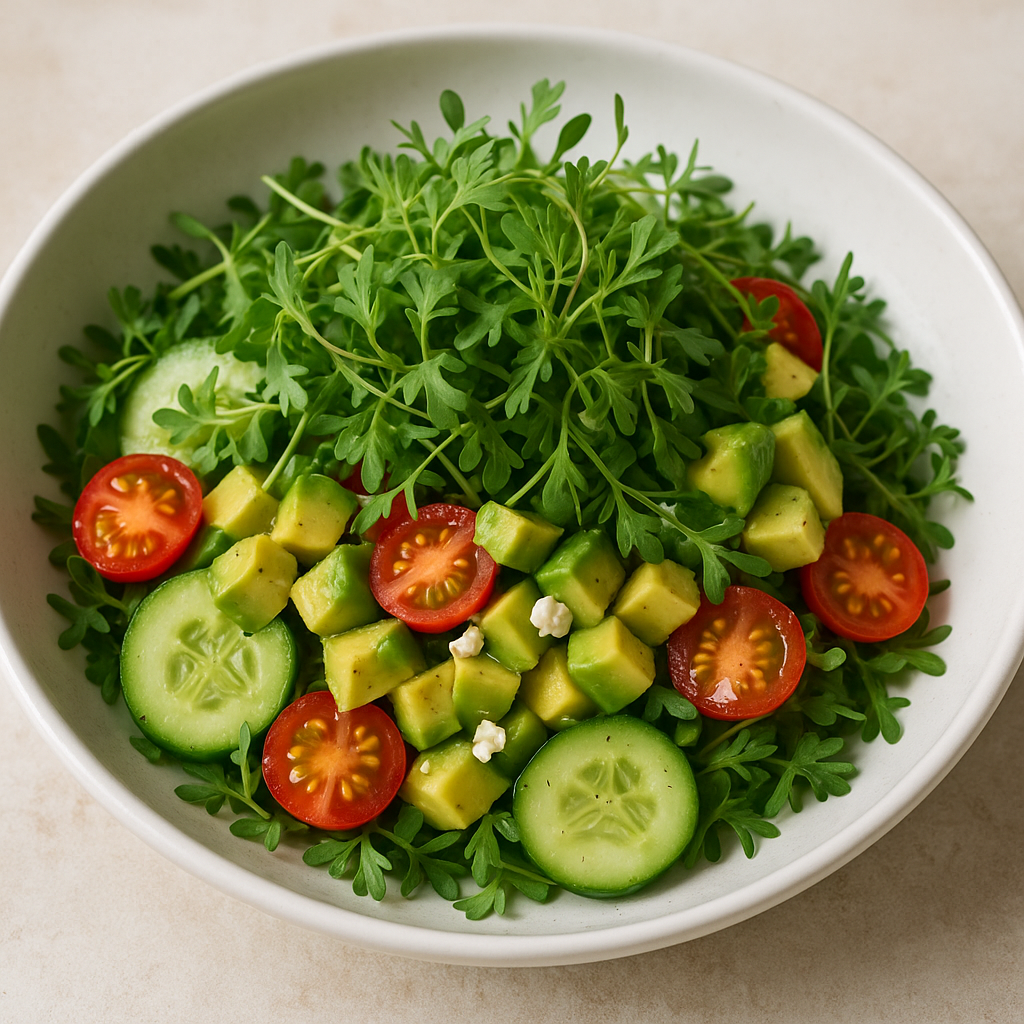
This vibrant salad highlights the fresh, peppery flavor of shungiku microgreens, perfectly paired with creamy avocado and zesty lime. Inspired by the seasonal offerings at Trattoria Lisina.
ChefPax Recipes
ChefPax recipe
25 min
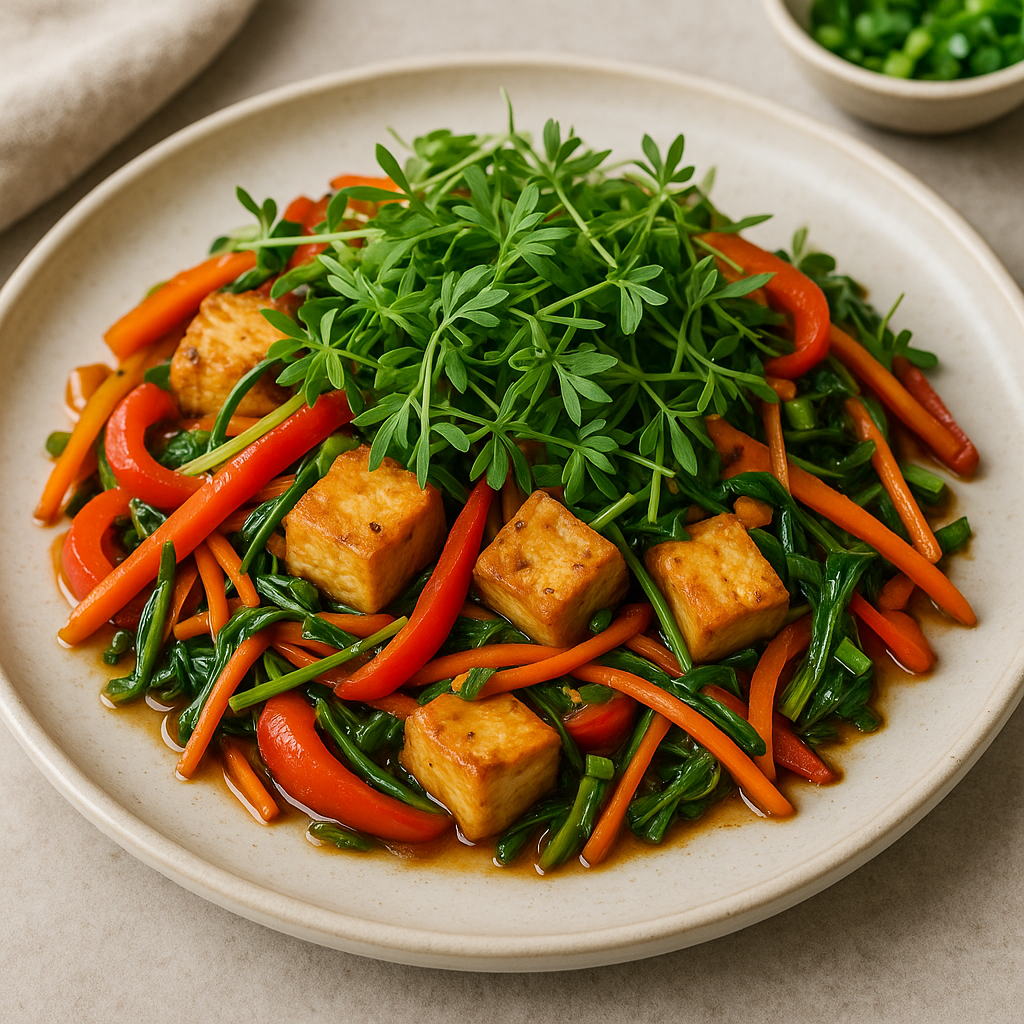
This stir-fry highlights Shungiku microgreens and tofu for a quick and wholesome meal packed with flavor and nutrients.
ChefPax Recipes
ChefPax recipe
15 min
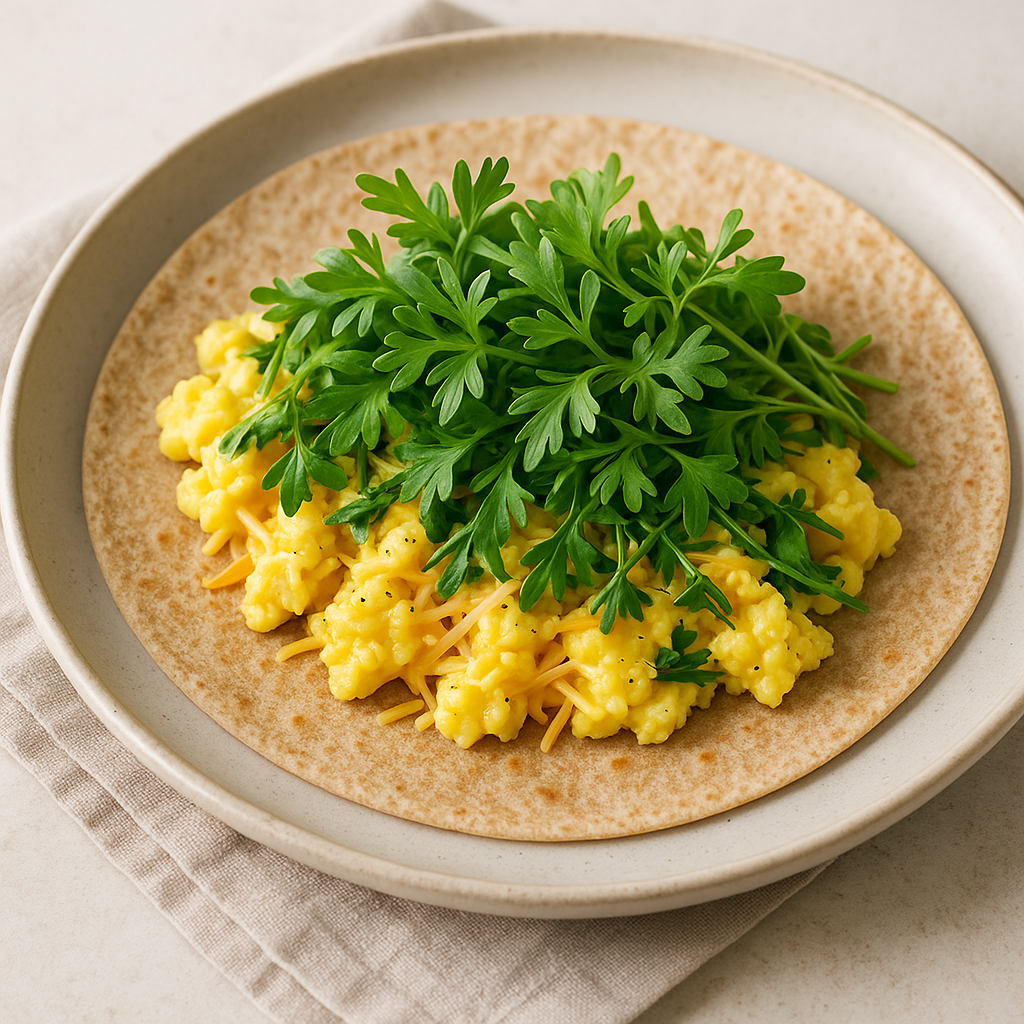
Start your day with a nutritious breakfast wrap filled with scrambled eggs and shungiku microgreens, bringing freshness and flavor to your morning routine.
Shungiku has a distinctive herbaceous, slightly bitter flavor that's unique to the chrysanthemum family. It's aromatic and complex, with a quality that's familiar to anyone who's eaten Japanese hot pot. Western comparisons are difficult — it's mildly similar to a more complex, aromatic arugula.
Yes — shungiku (Japanese) and tong ho (Chinese) both refer to Glebionis coronaria, the edible garland chrysanthemum. It's the same plant cultivated across East Asian cooking traditions for thousands of years. ChefPax grows it as a microgreen rather than at the mature stage, but the flavor is characteristic of the plant.
Try shungiku microgreens in any miso soup or light Japanese broth — add them raw just before serving. They're also excellent in cold sesame noodle dishes and as a garnish on chilled tofu. Our wasabi mustard recipes offer a good starting point for Japanese-influenced microgreen cooking.
Microgreens are young edible plants harvested shortly after germination. Published research reports that nutrient and phytochemical concentrations vary substantially by species, seed source, growing conditions, harvest stage, and storage, so crop-specific health claims should be interpreted cautiously.
• Microgreens have been studied as sources of vitamins, carotenoids, minerals, and other bioactive plant compounds.
moderate evidence• Nutrient composition cannot be assumed to be identical across microgreen varieties or production systems.
strong evidence• ChefPax presents this crop primarily for culinary flavor, texture, freshness, and menu variety rather than as a treatment or medical product.
strong evidence1. Assessment of Vitamin and Carotenoid Concentrations of Emerging Food Products: Edible Microgreens — Journal of Agricultural and Food Chemistry, 2012
2. Microgreens: Production, Shelf Life, and Bioactive Components — Critical Reviews in Food Science and Nutrition, 2017
3. Yield performance, mineral profile, and nitrate content in a selection of seventeen microgreen species — Frontiers in Plant Science, 2023
4. Specialty Greens Pack a Nutritional Punch — USDA Agricultural Research Service, 2014
Pick a plating goal and ChefPax will shape a tasting set around flavor, texture, and service use.
I'm plating seafood
Aromatic, citrus-friendly herbs for crudo, oysters, salmon, white fish, and raw bar plates.
Bronze Fennel
anise aroma and feathery heightCurled Chervil
soft French-herb liftPea Shoots
sweet height and clean stemsShiso
Japanese aromatic contrastWhat are you making? Get a reviewed pairing grounded in what ChefPax can actually supply.
Browse ChefPax by the way chefs actually choose garnish: dish, service context, and flavor job.
Best microgreens for seafood
The best microgreens for seafood are bronze fennel, curled chervil, pea shoots, and shiso because they add aroma, height, and freshness without overwhelming delicate fish.
Best microgreens for steak
The best microgreens for steak are Chinese Mahogany, radish, wasabi mustard, and nasturtium because they cut richness with savory depth, pepper, or mustard-like heat.
Best garnish crops for cocktails
The best garnish crops for cocktails are bronze fennel, lemon basil, nasturtium, and shiso because they bring aroma and visual precision to the rim or glass.
Best mild microgreens for sandwiches
The best mild sandwich greens are alfalfa sprouts, broccoli microgreens, sunflower, and pea shoots because they add texture without dominating the filling.
Best specialty crops for chefs
The best ChefPax specialty crops for chefs are Chinese Mahogany, bronze fennel, curled chervil, shiso, nasturtium, and red amaranth.
Best herbs for French plating
The best microgreen herbs for French plating are curled chervil, bronze fennel, parsley, and sorrel because they bring restrained aroma and clean finishing flavor.
Best crops for spicy dishes
The best crops for spicy dishes are Rambo radish, wasabi mustard, nasturtium, and cilantro because they add heat, brightness, or fresh herbal contrast.
Looking for something else?
All ChefPax recipes →