Beta vulgaris subsp. vulgaris

Bright Lights Swiss Chard microgreens (Beta vulgaris subsp. vulgaris) are the most visually diverse crop in the ChefPax lineup — and the one most likely to make a guest ask "what is that?" before they've tasted it. We grow Bright Lights, an open-pollinated heirloom variety famous for its rainbow-colored stems: red, orange, yellow, pink, and white appearing in the same flat, creating a natural color palette that no artificial dye can replicate.
Grown from multigerm seeds (each "seed" is actually a cluster that produces multiple seedlings), Swiss chard microgreens require a 5–7 day blackout period and emerge with stunning color variation that intensifies with moderate light exposure. Harvest comes at 10–14 days when the first true leaves emerge alongside rainbow stems — the visual peak of this crop.
The flavor is sweet, earthy, and mild — similar to young spinach with gentle beet notes, without the bitterness that mature chard can develop. This combination of visual drama and approachable flavor has made Bright Lights Swiss chard a favorite among caterers, food stylists, and home cooks who want a microgreen that genuinely impresses before the first bite.
Swiss Chard Microgreens are a ChefPax microgreen crop grown near Austin for salads where color is a key element, chef plating, and home cooking. They are selected for concentrated flavor, texture, and cut-to-order freshness.
Swiss Chard Microgreens are part of the ChefPax crop library for chefs, restaurants, and home cooks in Austin, Texas. Swiss chard microgreens taste sweet, earthy, and mildly spinach-like with subtle beet notes — pleasant and approachable, without any bitterness that mature chard can carry. The flavor is mild enough to work in smoothies alongside fruit, and interesting enough to stand alone as a salad base. The rainbow stem colors are purely visual — the flavor doesn't vary by stem color. In the kitchen, they work especially well with Salads where color is a key element, Garnish for any dish where plating needs color, Smoothies, Sandwiches and wraps for visual appeal and nutritional density. ChefPax focuses on crop-specific handling, fresh delivery, and practical culinary use so buyers can choose the right tray by flavor, texture, and service context.
Move from recipe inspiration to ordering: choose a smaller chef tray for trials or a 10x20 format for service volume.
Neon Swiss Chard (5×5)
sweet, earthy flavor with light spinach notes, similar to beets
Neon Swiss Chard — Live Tray (10×20)
sweet, earthy flavor with light spinach notes, similar to beets
Swiss Chard provide a more concentrated crop-specific flavor and a smaller finishing format than standard salad greens.
Swiss chard microgreens taste sweet, earthy, and mildly spinach-like with subtle beet notes — pleasant and approachable, without any bitterness that mature chard can carry. The flavor is mild enough to work in smoothies alongside fruit, and interesting enough to stand alone as a salad base. The rainbow stem colors are purely visual — the flavor doesn't vary by stem color.
Swiss chard microgreens are rich in vitamins A, C, and K, with significant iron, magnesium, and potassium content. The rainbow pigments in the stems reflect a diversity of antioxidants: betacyanins (red/purple), betaxanthins (yellow/orange), and chlorophyll (green). This pigment diversity is associated with broad antioxidant coverage across multiple biochemical pathways.
For a deeper look at vitamins and phytonutrients studied across varieties, see the microgreens nutrition guide.
Use the flavor wheel as a chef-facing shortcut from taste to products, recipes, and pairings.
Anise / licorice
Flavor pathSweet aromatic herbs for seafood, cocktails, eggs, and cream sauces.
Swiss chard microgreens are available in 5×5 and 10×20 live tray formats. Handle gently — the rainbow stems bruise easily and color fades at bruise points. Keep the live tray in indirect light at room temperature and snip carefully with clean scissors. The 5×5 cut format keeps well refrigerated for 4–5 days. Colors are most vivid on Day 1–3 after delivery.
Full storage tips — container types, fridge placement, and shelf life by crop — are in the microgreens storage guide.
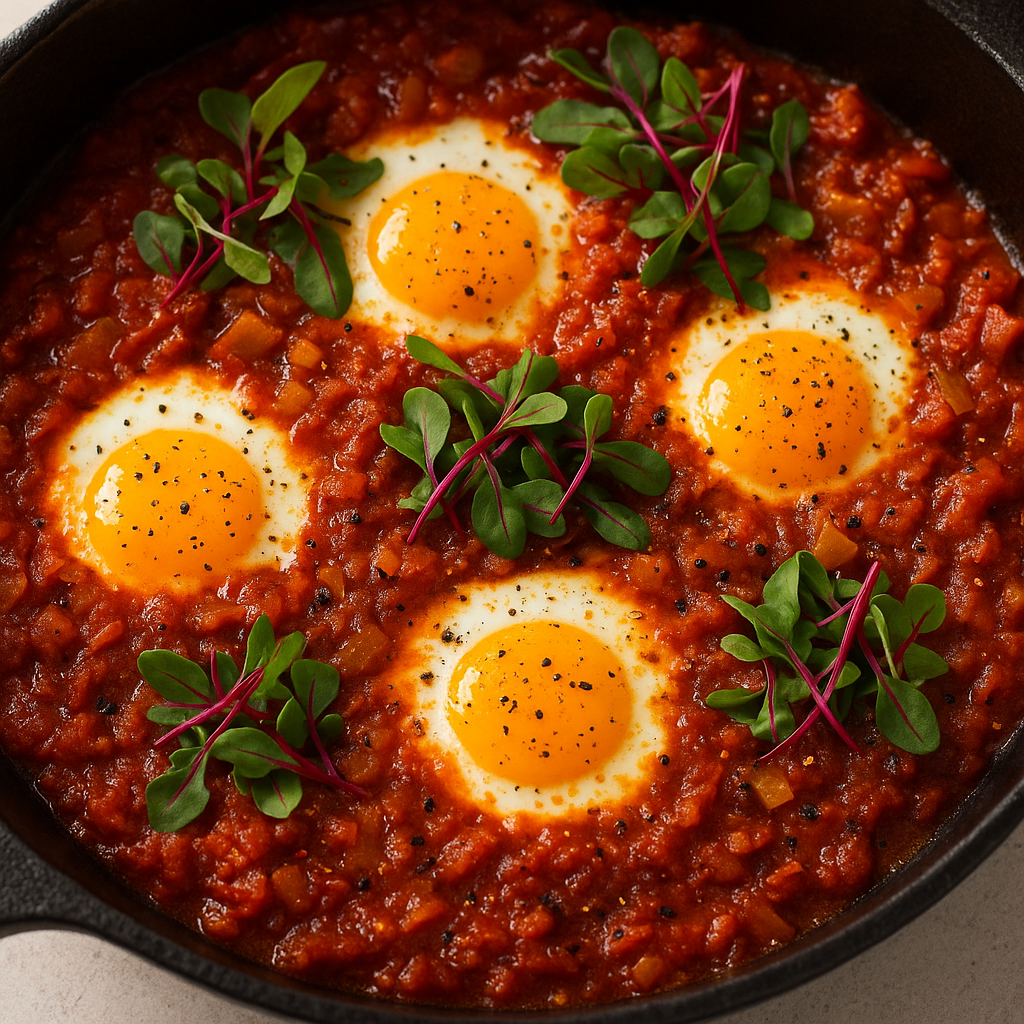
ChefPax Recipes
ChefPax recipe
25 min
Poached eggs in spiced tomato sauce finished with vibrant Swiss chard microgreens for a colorful, nutrient-packed breakfast.
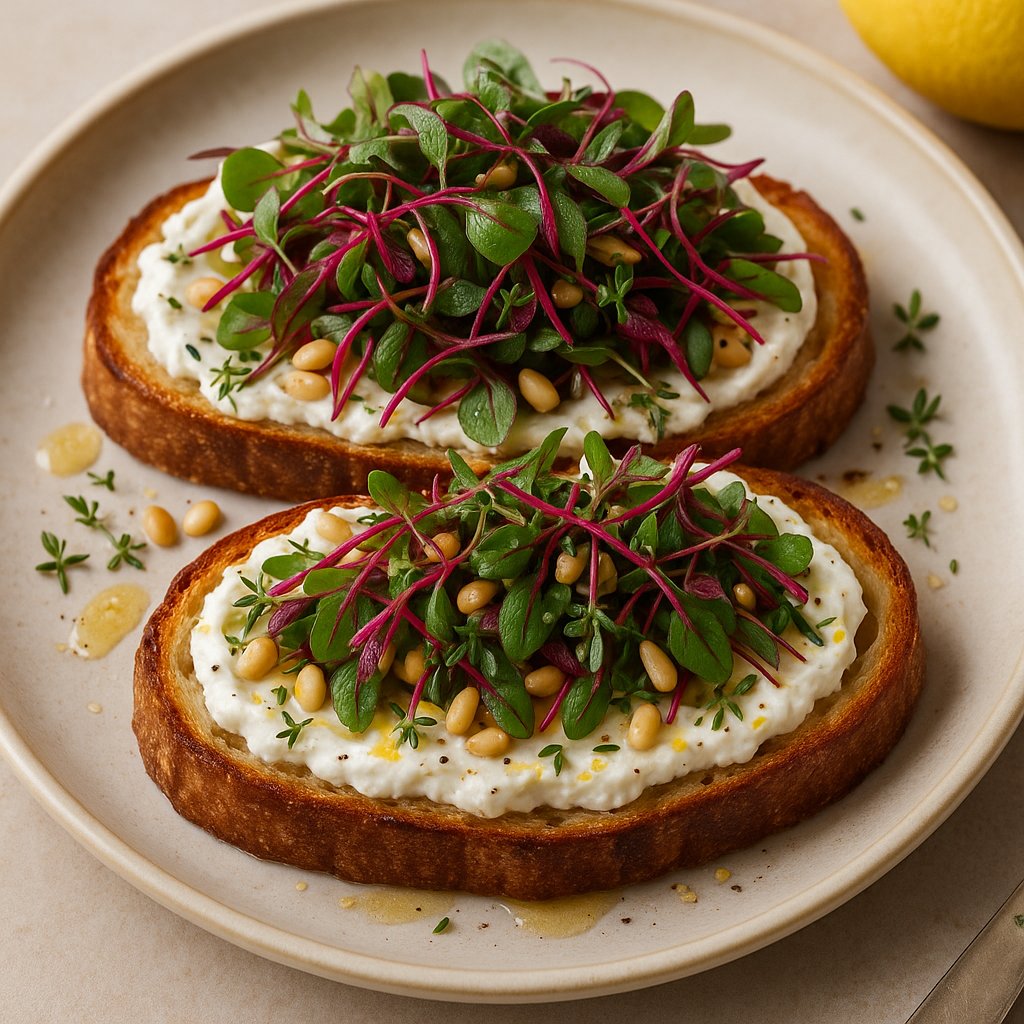
ChefPax Recipes
ChefPax recipe
8 min
Thick sourdough spread with lemon-herb ricotta and topped with colorful Swiss chard microgreens, pine nuts, and a drizzle of honey.
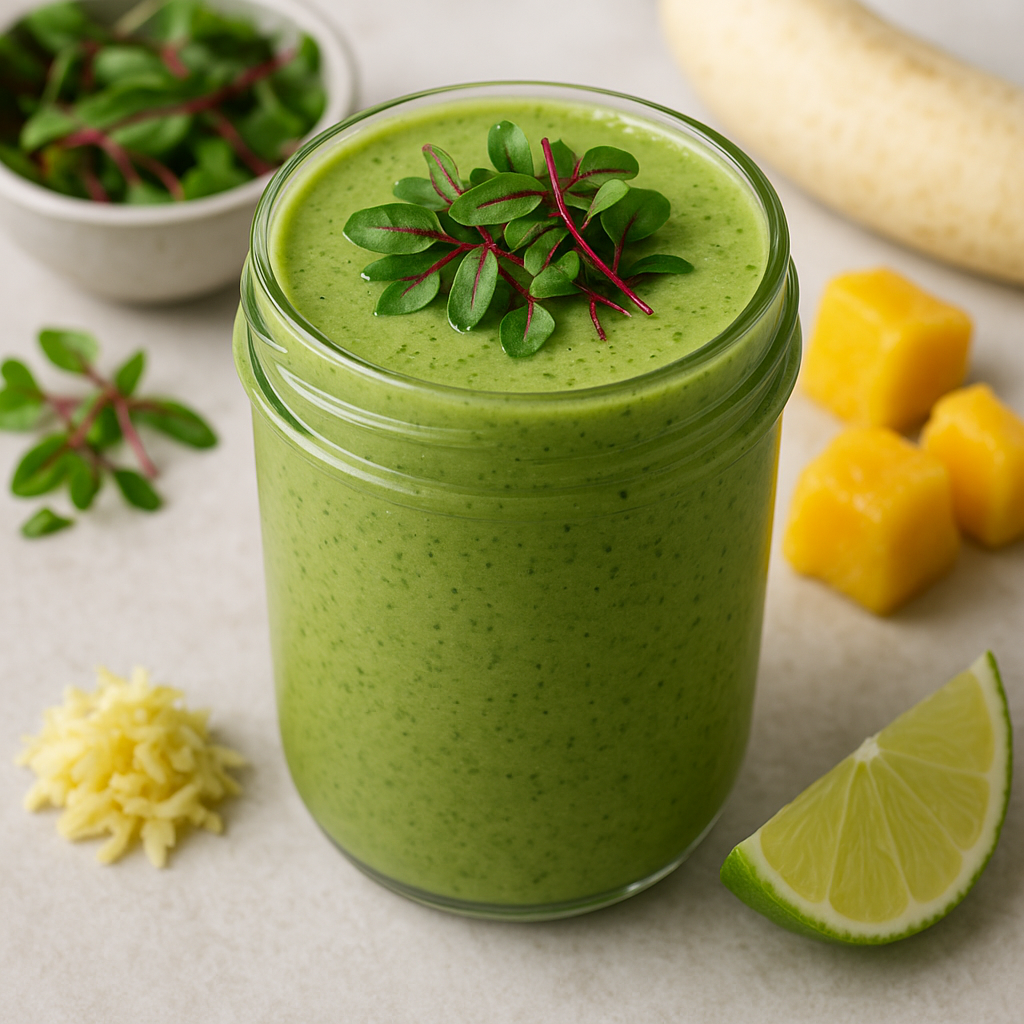
ChefPax Recipes
ChefPax recipe
5 min
Swiss chard microgreens blended into a mango-banana smoothie for a nutrient boost that stays sweet, not grassy.
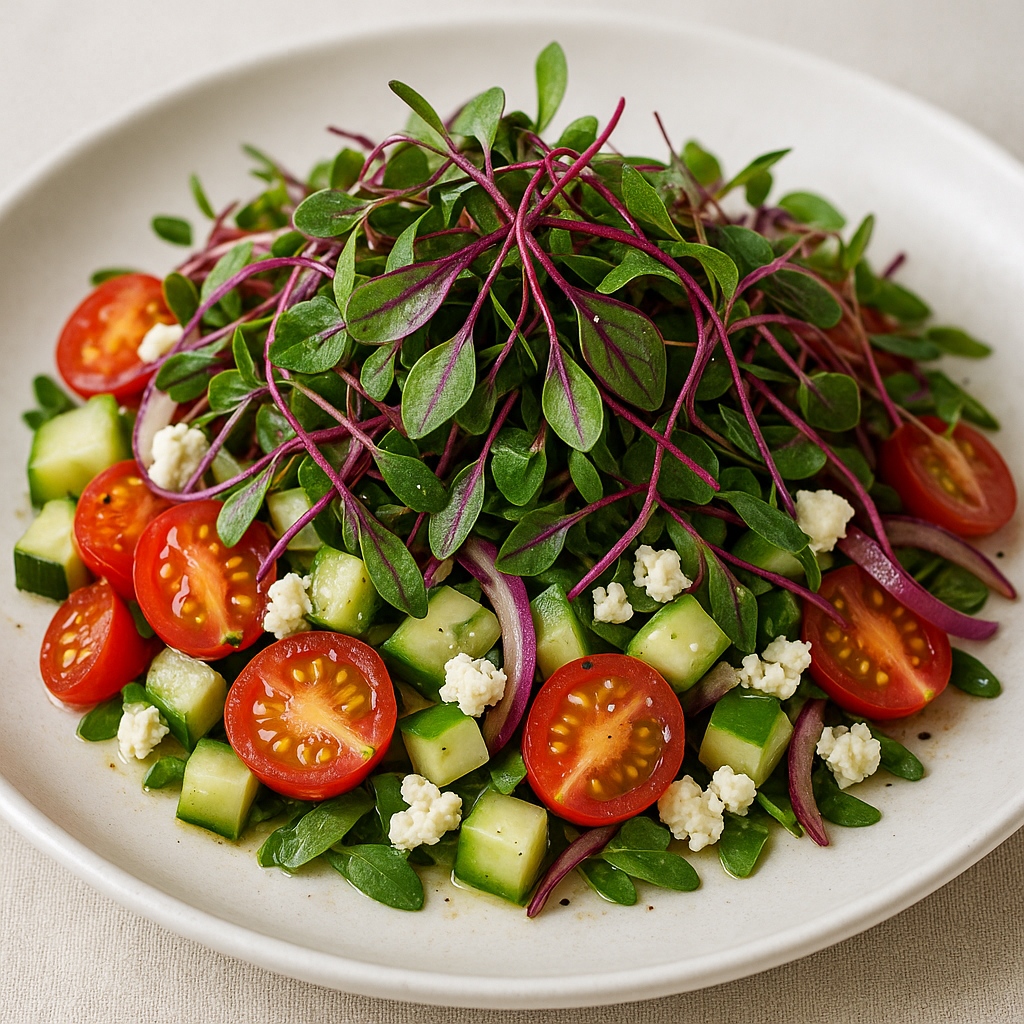
ChefPax Recipes
ChefPax recipe
15 min
This refreshing salad showcases Swiss Chard microgreens' vibrant colors and earthy flavor, complemented by a zesty lemon vinaigrette. Inspired by the fresh approaches seen at Vintana Wine + Dine.
ChefPax Recipes
ChefPax recipe
30 min
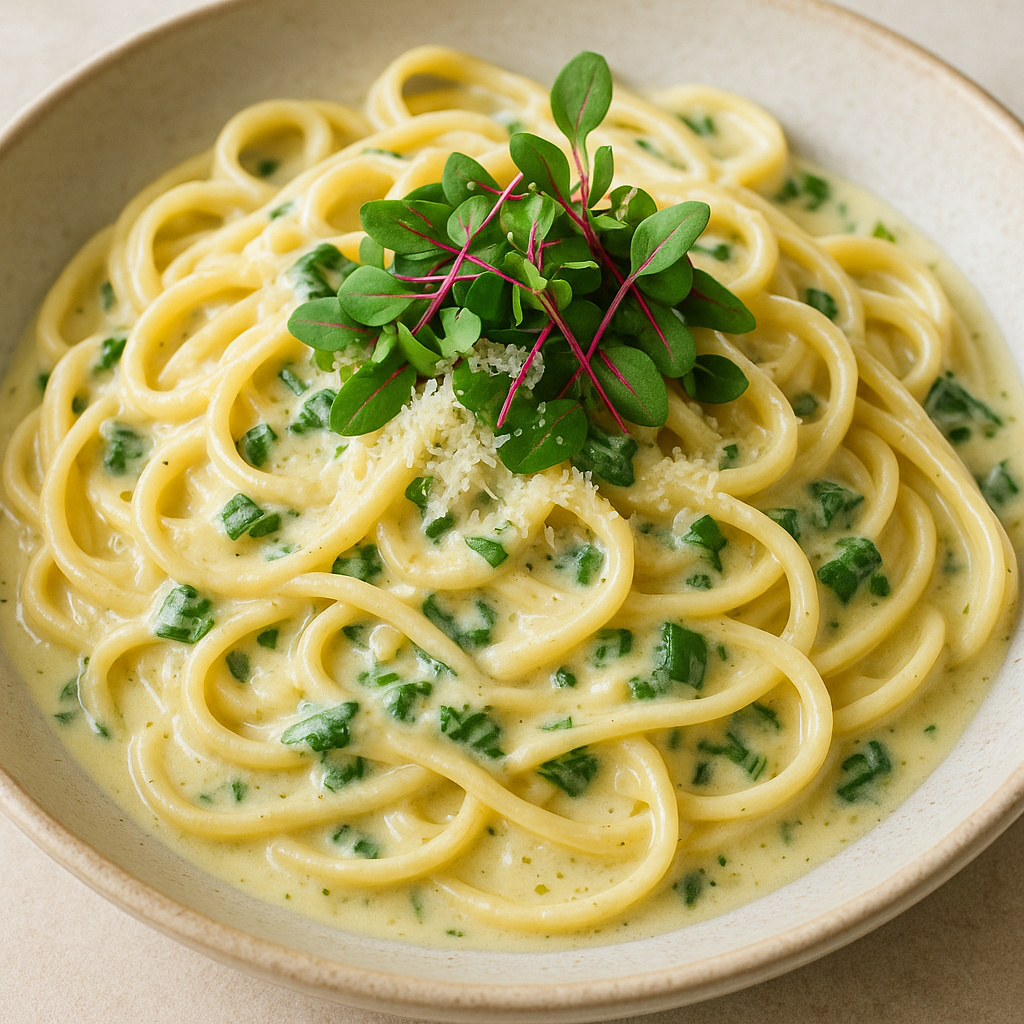
This creamy pasta dish highlights the rich, earthy flavor of Swiss chard microgreens, topped with a hint of garlic and lemon. A comforting meal inspired by the wholesome offerings from The Lighthouse Restaurant.
ChefPax Recipes
ChefPax recipe
20 min
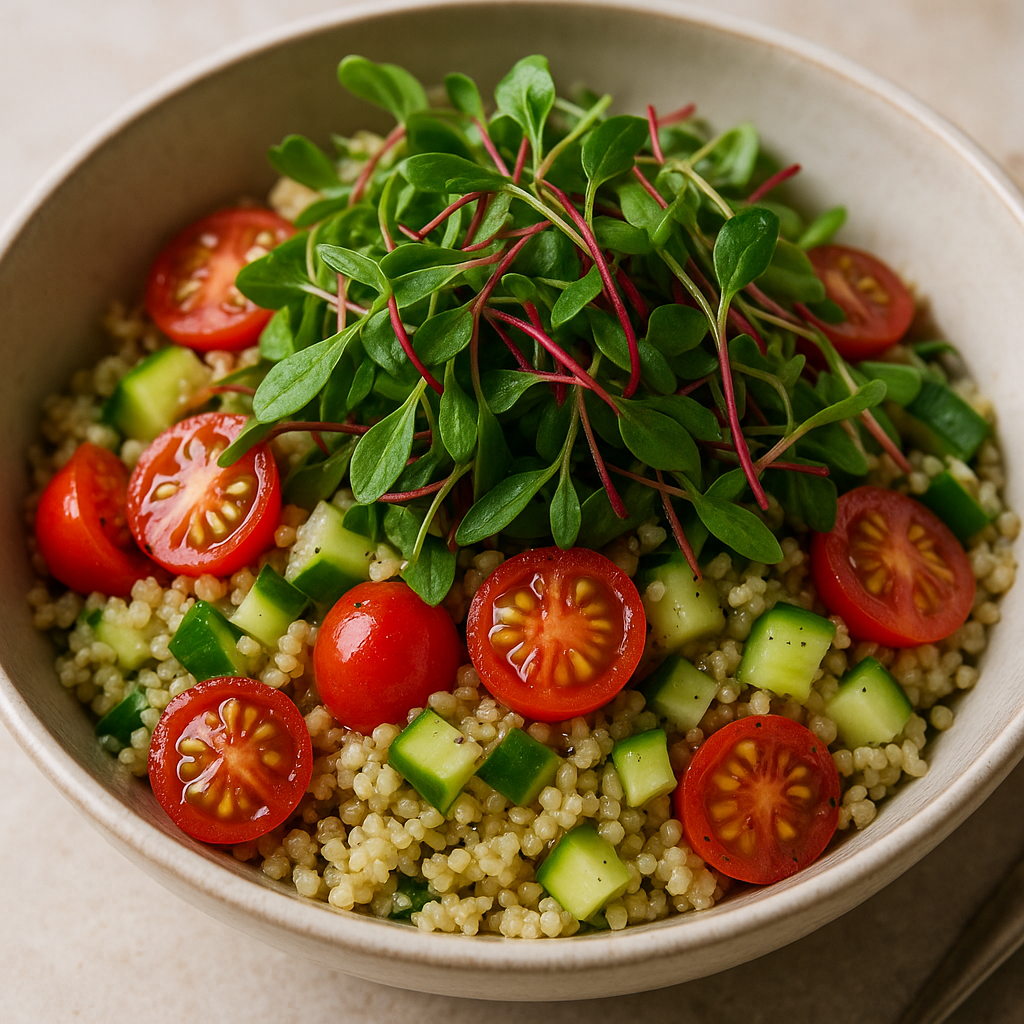
This vibrant salad combines protein-packed quinoa with the refreshing taste of Swiss chard microgreens, making it a nutritious and filling meal.
ChefPax Recipes
ChefPax recipe
15 min
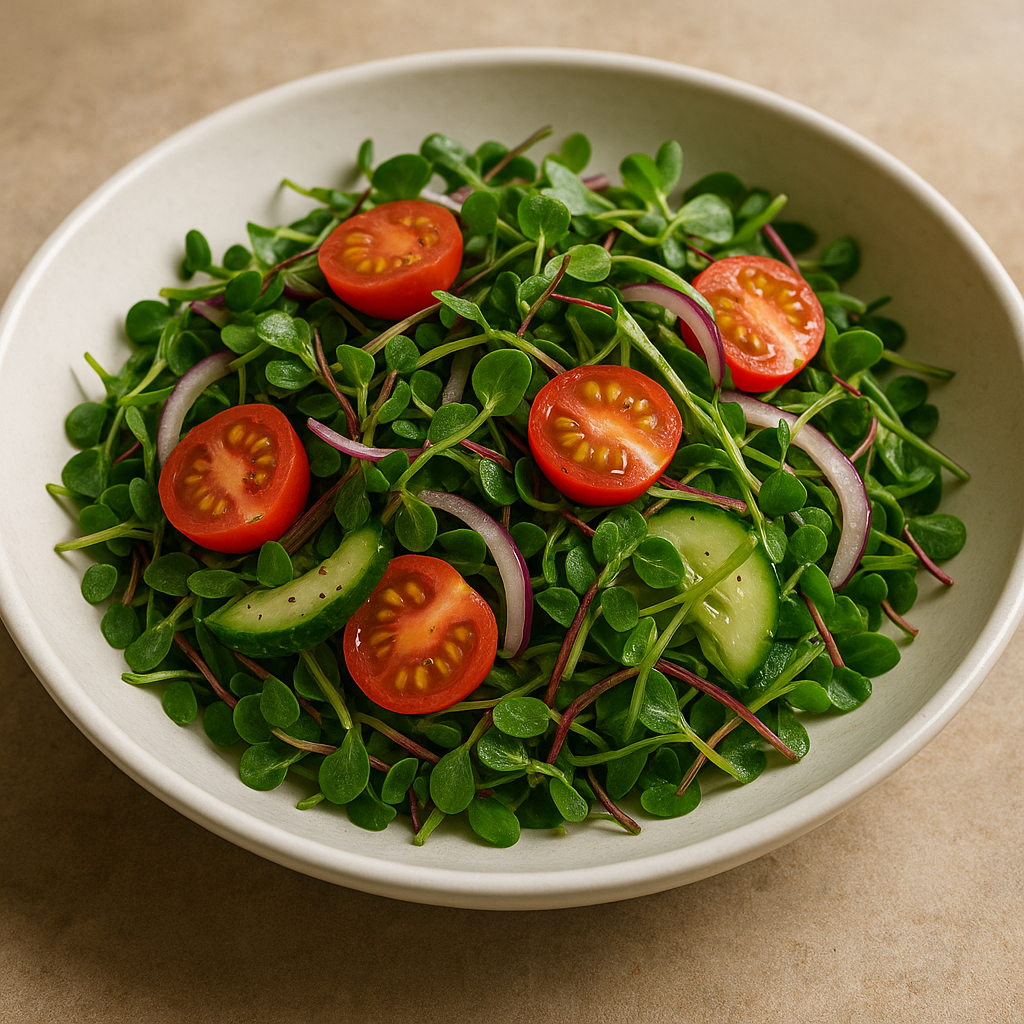
This vibrant salad showcases the earthy flavor of Swiss chard microgreens, complemented by a zesty citrus dressing. Inspired by seasonal ingredients reminiscent of Trattoria Lisina's approach.
ChefPax Recipes
ChefPax recipe
20 min
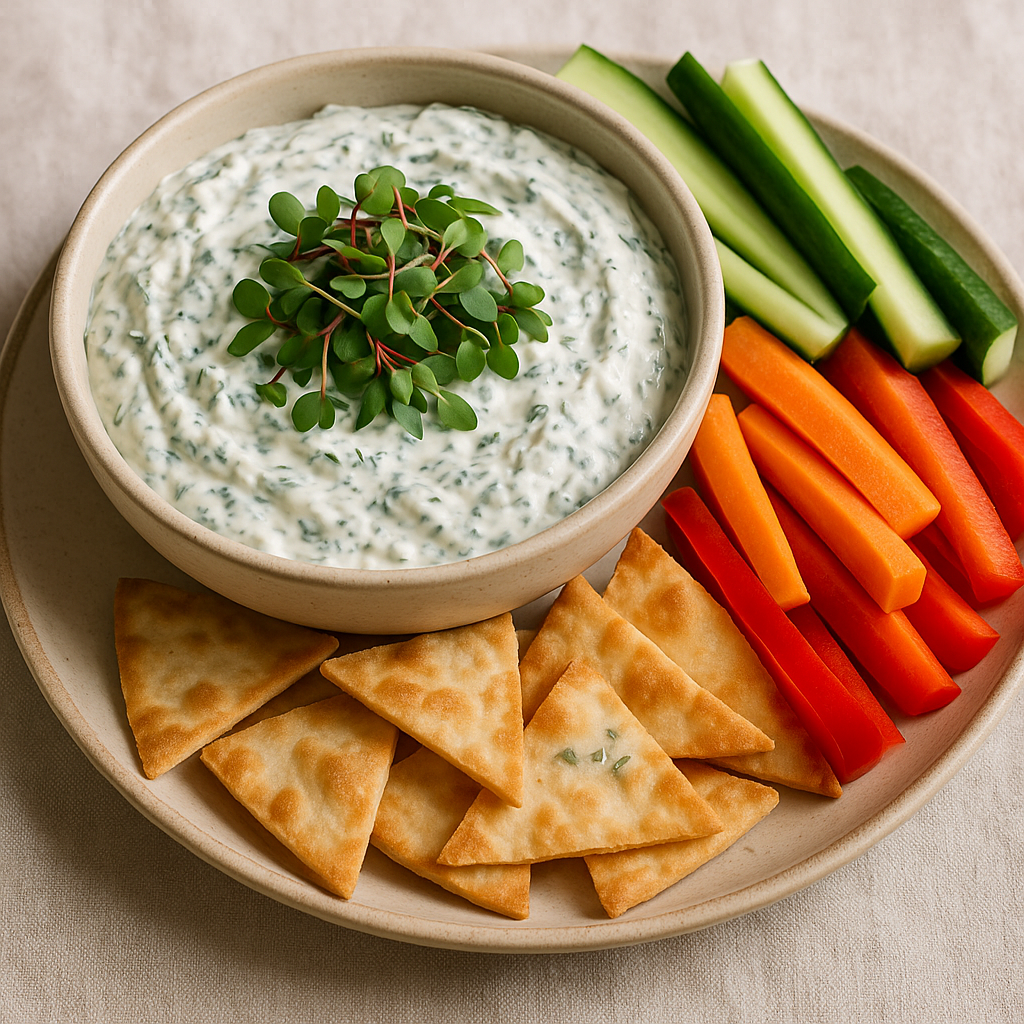
This creamy dip highlights Swiss Chard microgreens and pairs perfectly with fresh vegetables or pita chips for a nutritious snack. Inspired by the diverse flavors at Simply Pho House.
ChefPax Recipes
ChefPax recipe
25 min
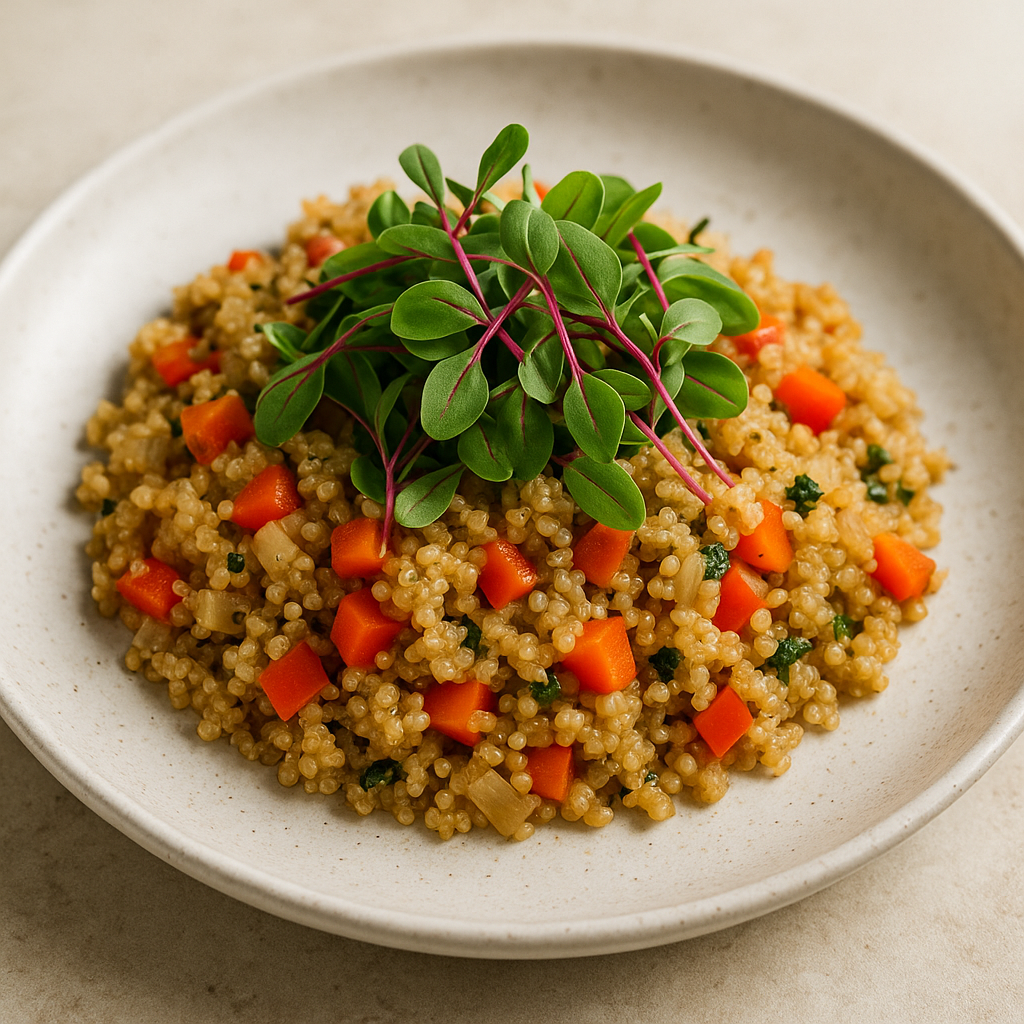
A wholesome dish featuring quinoa sautéed with aromatic vegetables and finished with fresh Swiss Chard microgreens, making for a nourishing meal. Inspired by the healthy offerings from The Bull Pizza Co.
ChefPax Recipes
ChefPax recipe
25 min
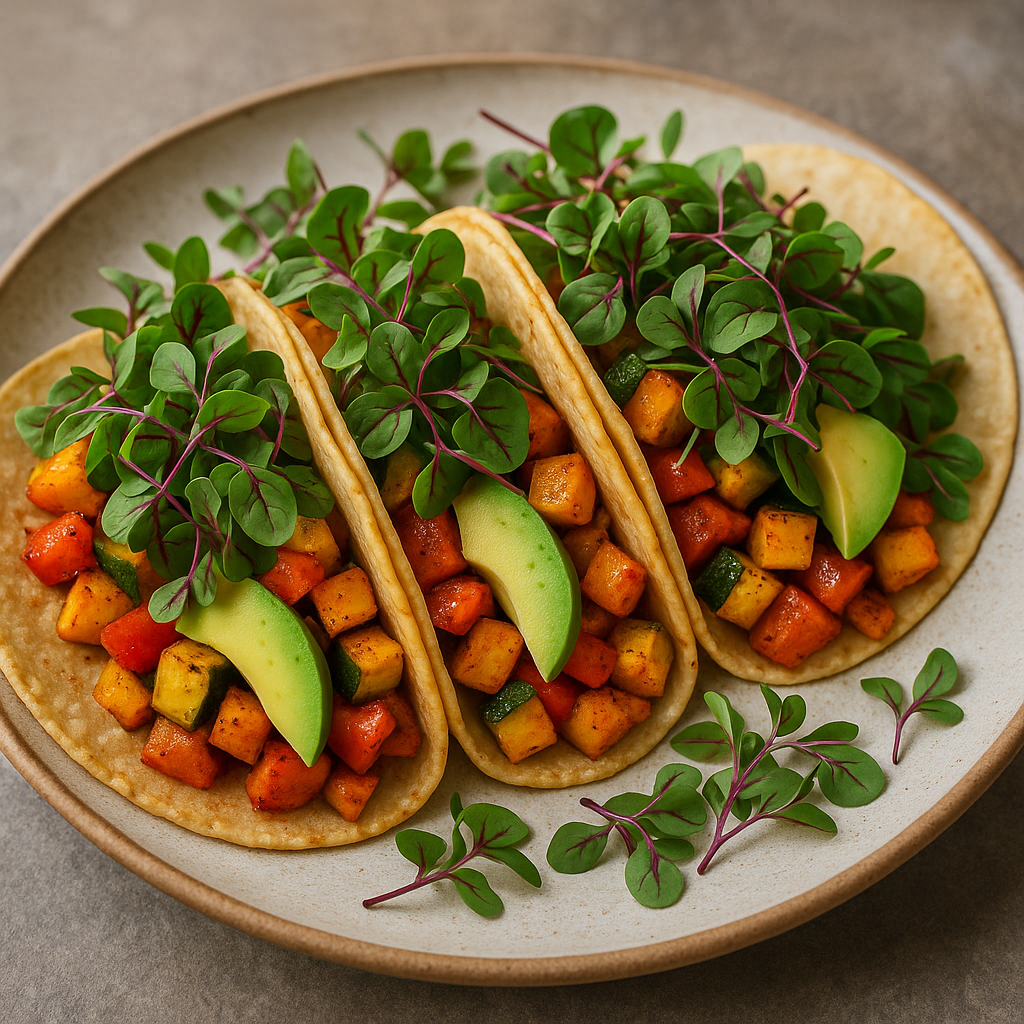
These fiery tacos are filled with roasted vegetables and topped with fresh Swiss chard microgreens for a unique crunch. A nod to the bold flavors of Verde's Mexican Parrilla.
ChefPax Recipes
ChefPax recipe
15 min
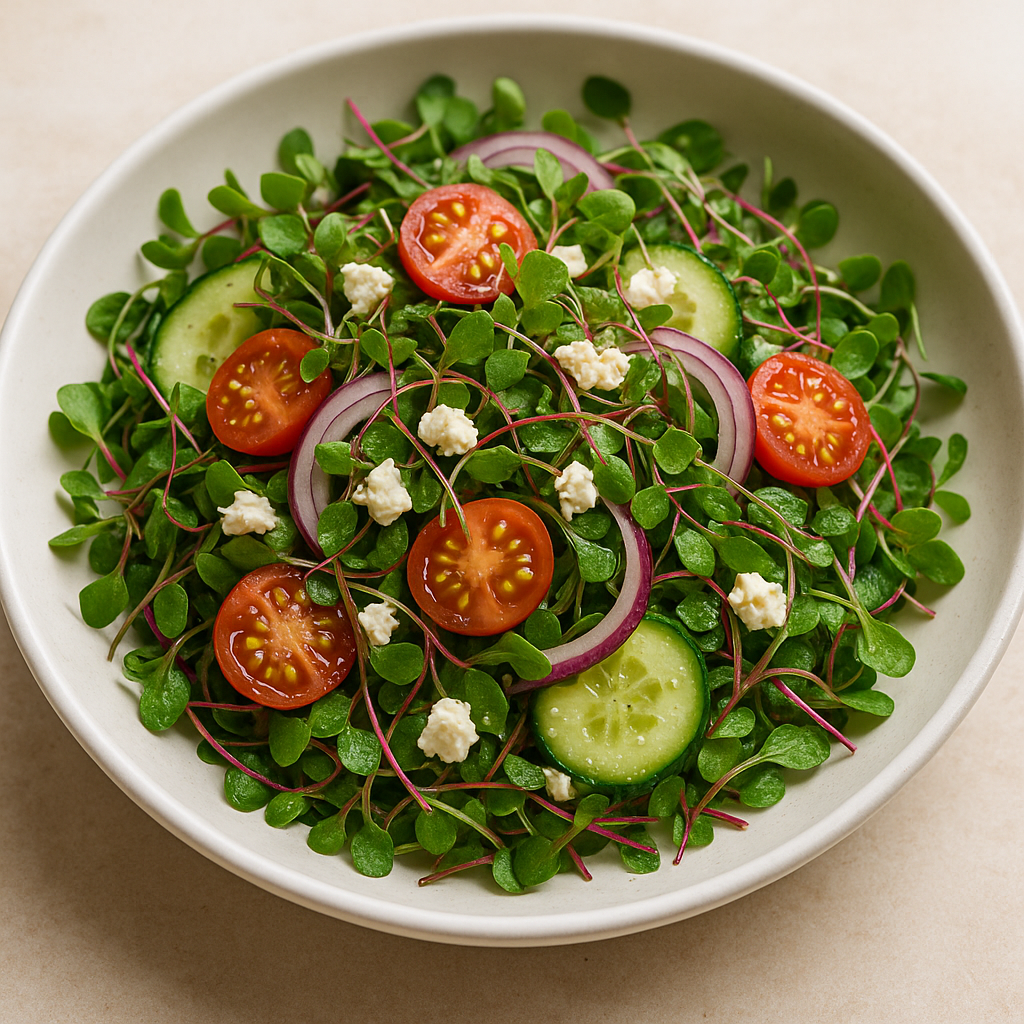
Bright and refreshing, this salad combines the earthy flavor of Swiss chard microgreens with a zesty citrus vinaigrette, making it a perfect side dish for any meal.
ChefPax Recipes
ChefPax recipe
10 min
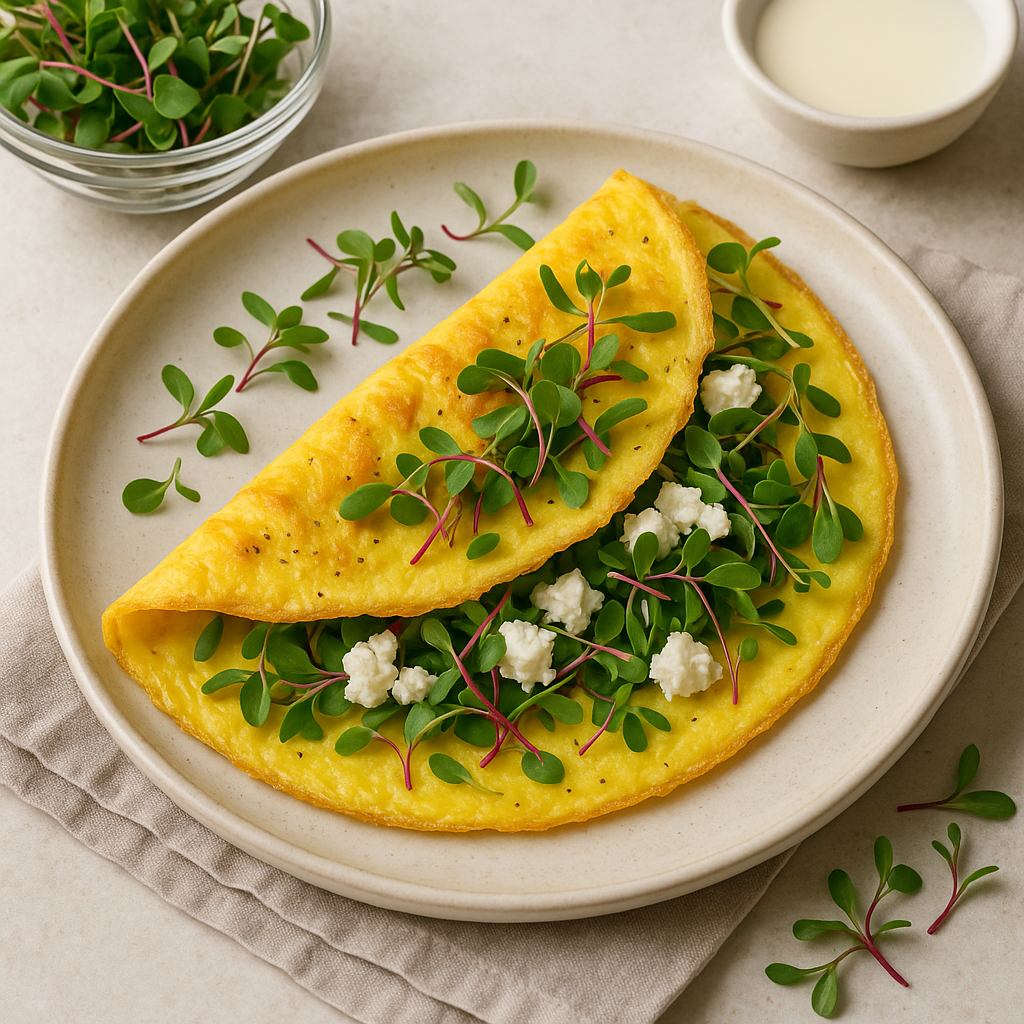
This quick and nutritious omelette is packed with the vibrant flavor of Swiss chard microgreens and creamy goat cheese, perfect for a healthy breakfast or brunch.
ChefPax Recipes
ChefPax recipe
15 min
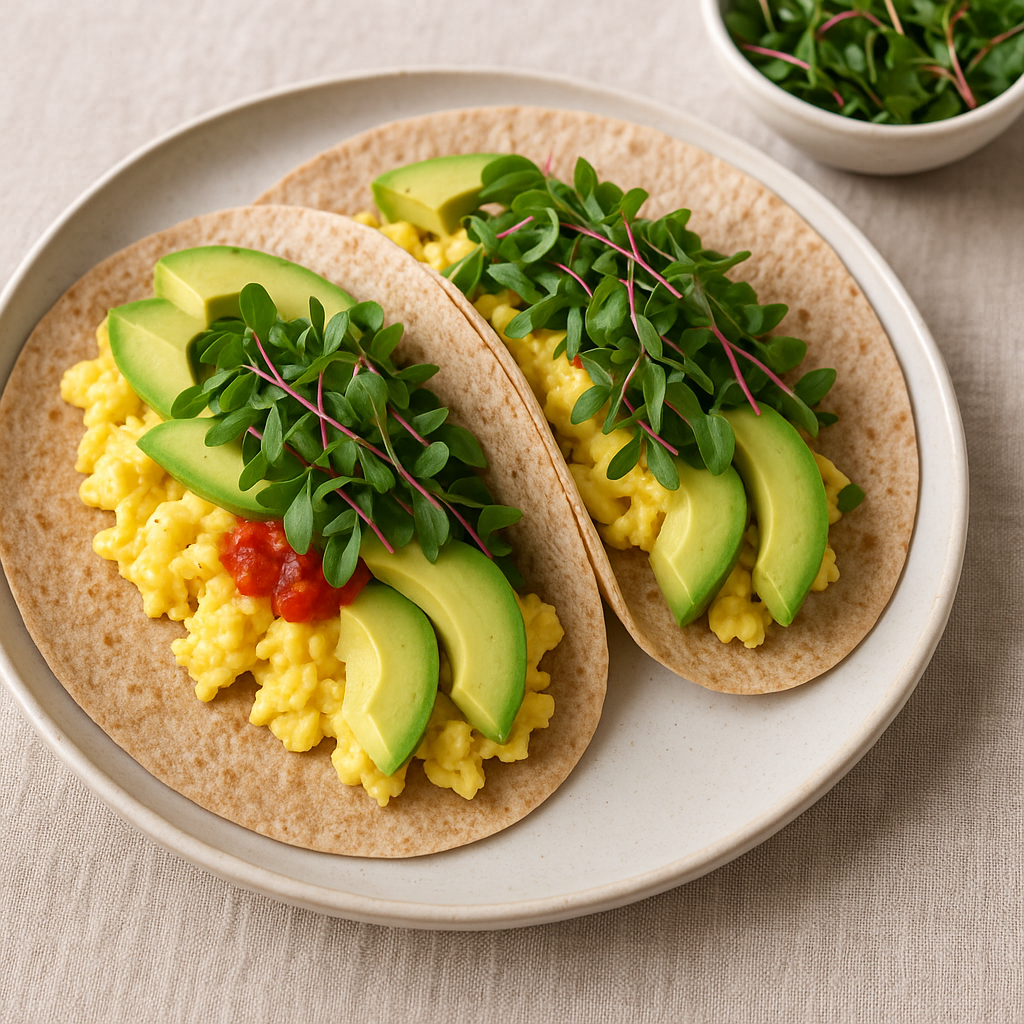
These wholesome wraps are filled with eggs, avocado, and fresh Swiss chard microgreens for a nutritious breakfast on the go.
ChefPax Recipes
ChefPax recipe
25 min
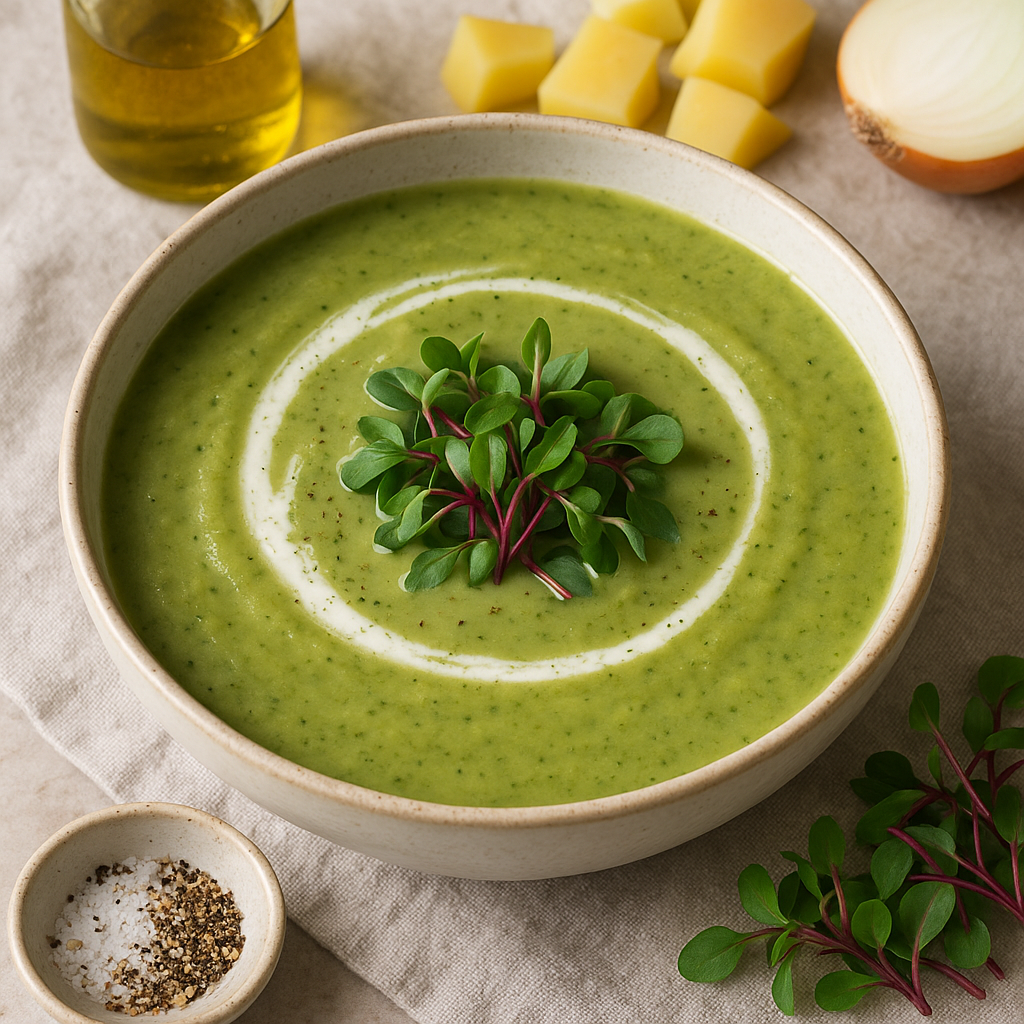
This silky soup features Swiss chard microgreens blended with potatoes and garlic for a comforting and nourishing dish.
No — the flavor is consistent regardless of stem color. The rainbow variety produces different pigment combinations by chance as the multigerm seeds germinate, not different flavor compounds. Red, yellow, orange, and white stems all taste the same: sweet, mild, and earthy.
Swiss chard stems contain high water content and bruise easily when pressed or squeezed. Handle the snipped greens lightly, use them as a top garnish rather than tossing them in a salad, and plate at the last moment before serving. Cold temperatures help preserve stem color — keep refrigerated if you've pre-cut them.
Swiss chard microgreens work beautifully in any recipe calling for mild, visually appealing greens. Try them on a grain bowl with beet hummus, on avocado toast where the color pops against the green, or as the garnish on a colorful salad. Our sunflower and broccoli recipes are a great starting point — Swiss chard microgreens substitute directly in either.
Swiss chard microgreens are distinguished by their vivid stem colors — red, yellow, and white — which come from betalain pigments, the same compound class found in amaranth and beets. They are used as a visual garnish, salad component, and smoothie green.
• Swiss chard and Swiss chard microgreens contain betalain pigments, the same class of compounds studied in amaranth, beets, and other brightly colored plants.
moderate evidence• Swiss chard is a recognized dietary source of vitamin K, magnesium, and beta-carotene (a Vitamin A precursor).
moderate evidence• Pigment intensity and nutrient content in Swiss chard microgreens vary by stem color variety and growing conditions.
strong evidence1. Exploring the Biochemical Profile of Beta vulgaris L.: A Comparative Study of Beetroots and Swiss Chard — Plants, 2025
Pick a plating goal and ChefPax will shape a tasting set around flavor, texture, and service use.
I'm plating seafood
Aromatic, citrus-friendly herbs for crudo, oysters, salmon, white fish, and raw bar plates.
Bronze Fennel
anise aroma and feathery heightCurled Chervil
soft French-herb liftPea Shoots
sweet height and clean stemsShiso
Japanese aromatic contrastWhat are you making? Get a reviewed pairing grounded in what ChefPax can actually supply.
Browse ChefPax by the way chefs actually choose garnish: dish, service context, and flavor job.
Best microgreens for seafood
The best microgreens for seafood are bronze fennel, curled chervil, pea shoots, and shiso because they add aroma, height, and freshness without overwhelming delicate fish.
Best microgreens for steak
The best microgreens for steak are Chinese Mahogany, radish, wasabi mustard, and nasturtium because they cut richness with savory depth, pepper, or mustard-like heat.
Best garnish crops for cocktails
The best garnish crops for cocktails are bronze fennel, lemon basil, nasturtium, and shiso because they bring aroma and visual precision to the rim or glass.
Best mild microgreens for sandwiches
The best mild sandwich greens are alfalfa sprouts, broccoli microgreens, sunflower, and pea shoots because they add texture without dominating the filling.
Best specialty crops for chefs
The best ChefPax specialty crops for chefs are Chinese Mahogany, bronze fennel, curled chervil, shiso, nasturtium, and red amaranth.
Best herbs for French plating
The best microgreen herbs for French plating are curled chervil, bronze fennel, parsley, and sorrel because they bring restrained aroma and clean finishing flavor.
Best crops for spicy dishes
The best crops for spicy dishes are Rambo radish, wasabi mustard, nasturtium, and cilantro because they add heat, brightness, or fresh herbal contrast.
Looking for something else?
All ChefPax recipes →