Ocimum basilicum / Ocimum × africanum

ChefPax grows three distinct basil microgreen varieties — Dark Opal, Lemon Basil, and Thai Basil — each with its own flavor fingerprint and culinary application. Together, they represent the full aromatic range of the Ocimum genus at the microgreen stage: rich and complex, citrus-bright, or sweet and spice-forward.
All three are grown in 5×5 trays, light-sensitive from Day 0 (no blackout period), and harvested in 14–21 days when the leaves have fully developed their characteristic color and aroma. Basil microgreens are slower to grow than our core brassica crops, but the payoff is a level of aromatic intensity you don't get from mature basil leaves — concentrated flavors in a tiny package.
Dark Opal basil brings deep purple foliage and a classic sweet basil flavor with clove undertones. Lemon basil delivers bright citrusy notes ideal for seafood and Thai dishes. Thai basil microgreens carry the characteristic anise and licorice notes of full-grown Thai basil, making them a natural fit for Southeast Asian cooking. In Austin's cocktail bar scene, all three have found homes as botanical garnishes that add both visual drama and aromatic complexity.
Basil Microgreens are a ChefPax microgreen crop grown near Austin for cocktails and mocktails, chef plating, and home cooking. They are selected for concentrated flavor, texture, and cut-to-order freshness.
Basil Microgreens are part of the ChefPax crop library for chefs, restaurants, and home cooks in Austin, Texas. Dark Opal basil tastes like intense sweet basil with a clove-like depth and subtle peppery warmth. Lemon basil microgreens are citrus-forward with a clean lemon zest quality and lighter basil undertones. Thai basil microgreens lead with anise and licorice — the same flavor profile as mature Thai basil, concentrated in the microgreen form. All three are aromatic, tender, and visually distinctive. In the kitchen, they work especially well with Cocktails and mocktails, Dessert garnish, Thai curries and stir-fries with Thai basil microgreens, Seafood dishes. ChefPax focuses on crop-specific handling, fresh delivery, and practical culinary use so buyers can choose the right tray by flavor, texture, and service context.
1 Basil Microgreens tray is ready right now in Austin. Reserve one today →
Move from recipe inspiration to ordering: choose a smaller chef tray for trials or a 10x20 format for service volume.
Basil Dark Opal — 5×5
sweet clove scent, deep purple leaves
Basil Lemon — 5×5
bright lemon-citrus flavor
Basil Thai — 5×5
sweet-spice with anise aroma, purple stems
Basil provide a more concentrated crop-specific flavor and a smaller finishing format than standard salad greens.
Dark Opal basil tastes like intense sweet basil with a clove-like depth and subtle peppery warmth. Lemon basil microgreens are citrus-forward with a clean lemon zest quality and lighter basil undertones. Thai basil microgreens lead with anise and licorice — the same flavor profile as mature Thai basil, concentrated in the microgreen form. All three are aromatic, tender, and visually distinctive.
Basil microgreens contain vitamins A, C, and K, as well as calcium, iron, and magnesium. They're particularly rich in essential oils — the same aromatic compounds (linalool, eugenol, estragole) found in mature basil that have been studied for antimicrobial and anti-inflammatory properties. The essential oil concentration is higher in microgreens than in mature basil because the volatile oils haven't had time to dissipate.
For a deeper look at vitamins and phytonutrients studied across varieties, see the microgreens nutrition guide.
Use the flavor wheel as a chef-facing shortcut from taste to products, recipes, and pairings.
Anise / licorice
Flavor pathSweet aromatic herbs for seafood, cocktails, eggs, and cream sauces.
Basil microgreens are the most temperature-sensitive of our crops — cold storage below 55°F causes blackening. Store at room temperature in their container, away from cold spots, and use within 3–4 days. Do not refrigerate basil microgreens; unlike most greens, cold harms them more than room temperature.
Full storage tips — container types, fridge placement, and shelf life by crop — are in the microgreens storage guide.
ChefPax Recipes
ChefPax recipe
9 min
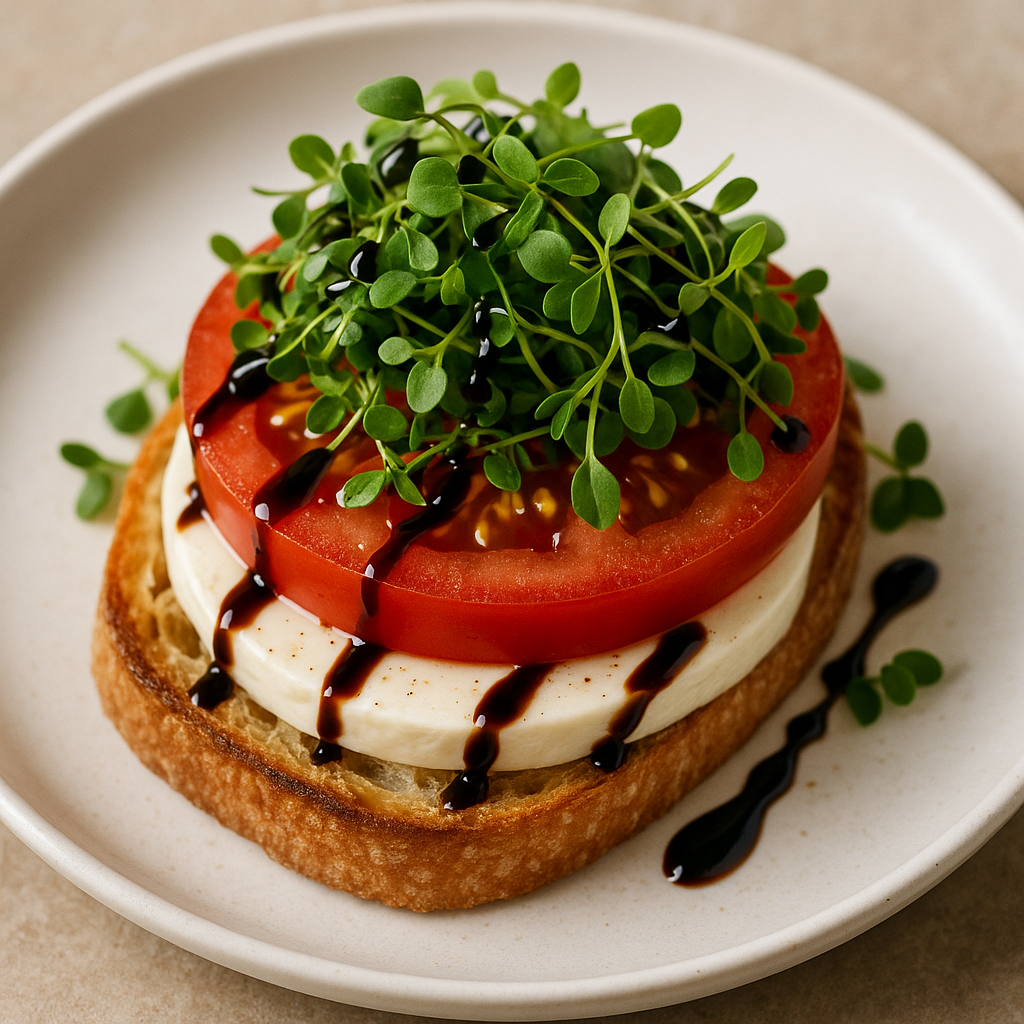
Classic Caprese flavors on toast with fresh basil microgreens and mozzarella.
ChefPax Recipes
ChefPax recipe
15 min
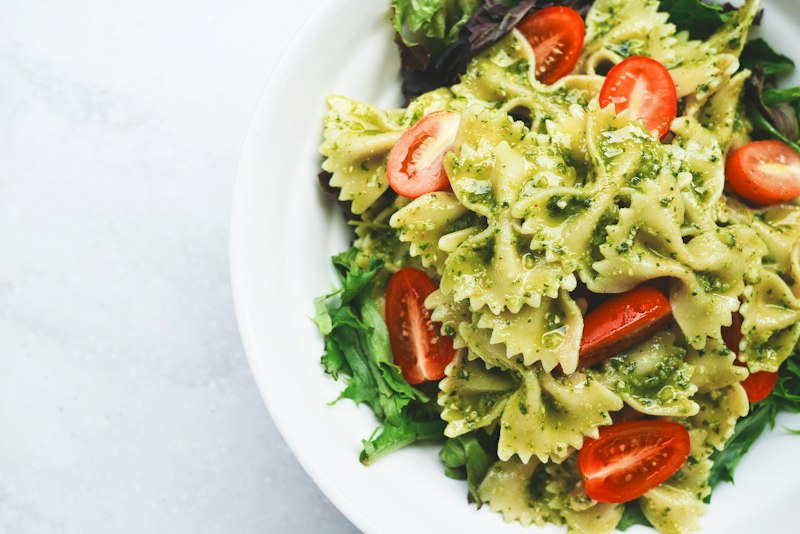
Basil microgreens make a better pesto than mature basil leaves — the flavor is more concentrated, the color is vivid green without blanching, and the texture blends silky-smooth in under 60 seconds. This no-cook pesto comes together while your pasta water heats, which is why this dish reliably lands on the table in 15 minutes. The key technique is reserving pasta water before draining: that starchy liquid emulsifies the olive oil into the pesto and turns it from a thick paste into a sauce that coats every strand. ChefPax Dark Opal Basil or standard basil microgreens both work here — Dark Opal adds a subtle anise note and a slight purple tint to the finished pasta.
ChefPax Recipes
ChefPax recipe
30 min
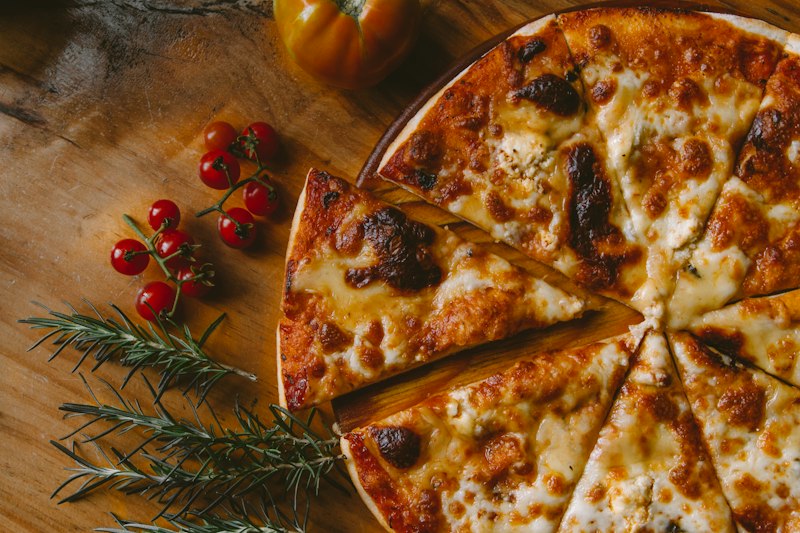
Classic margherita pizza pulled hot from the oven and finished with a pile of fresh basil microgreens in place of whole-leaf basil.
ChefPax Recipes
ChefPax recipe
15 min
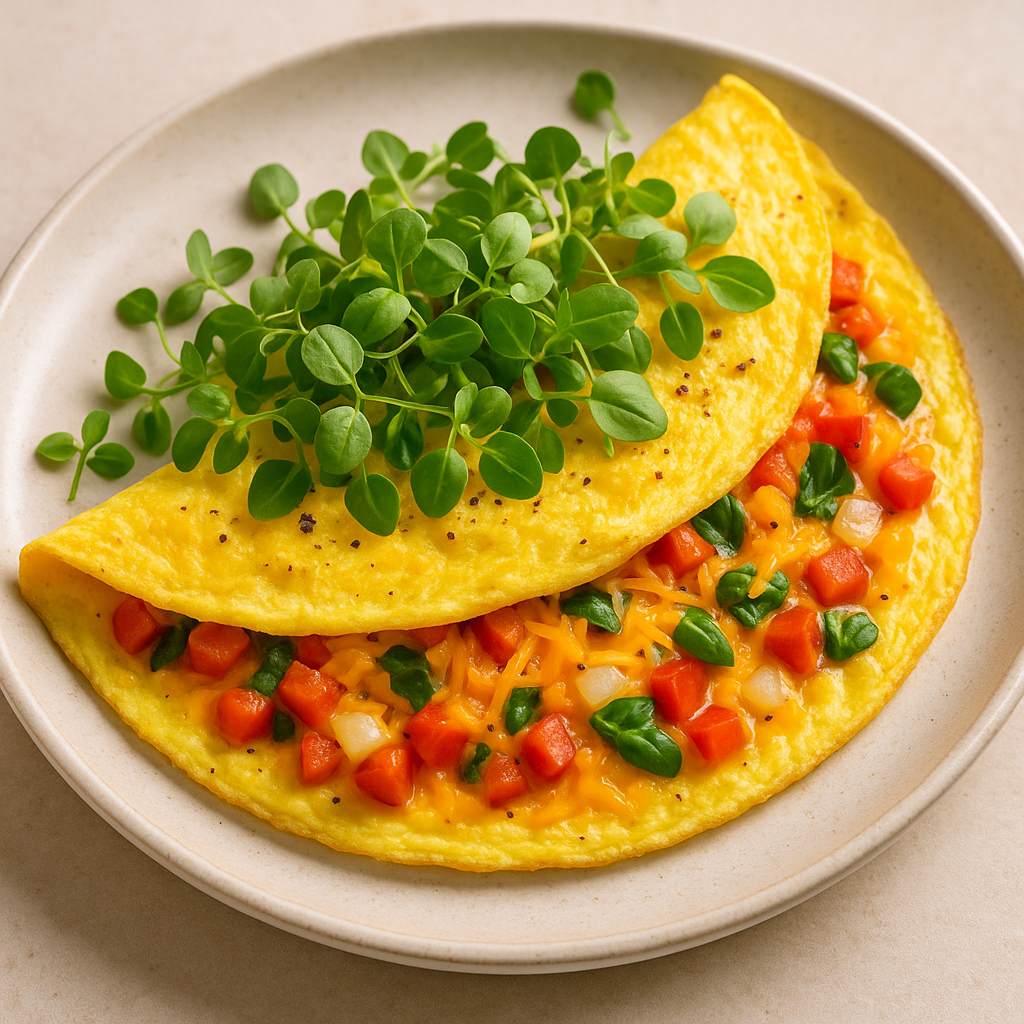
Start your day right with this delicious omelette packed with protein and topped with fragrant basil microgreens for added freshness.
ChefPax Recipes
ChefPax recipe
15 min
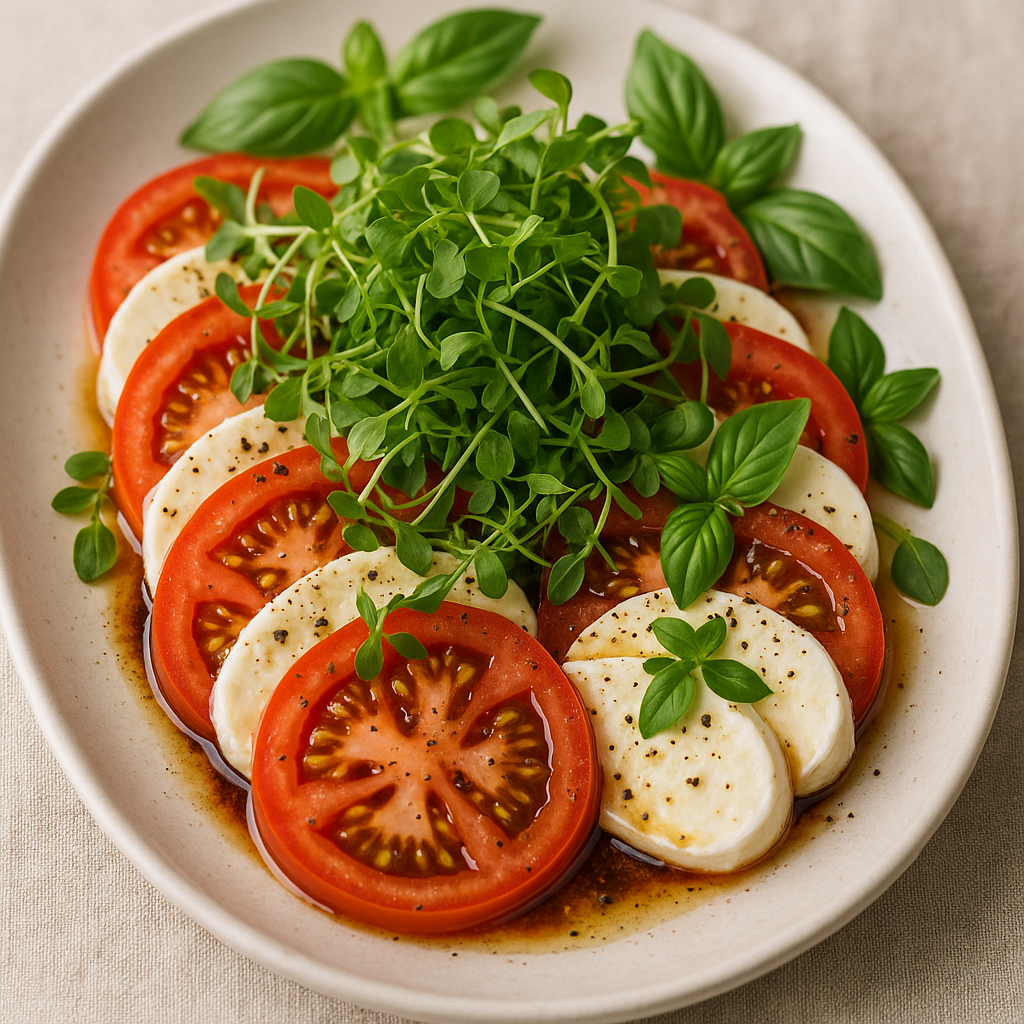
This refreshing Caprese salad highlights the fresh taste of basil microgreens, perfectly complementing creamy mozzarella and ripe tomatoes.
ChefPax Recipes
ChefPax recipe
10 min
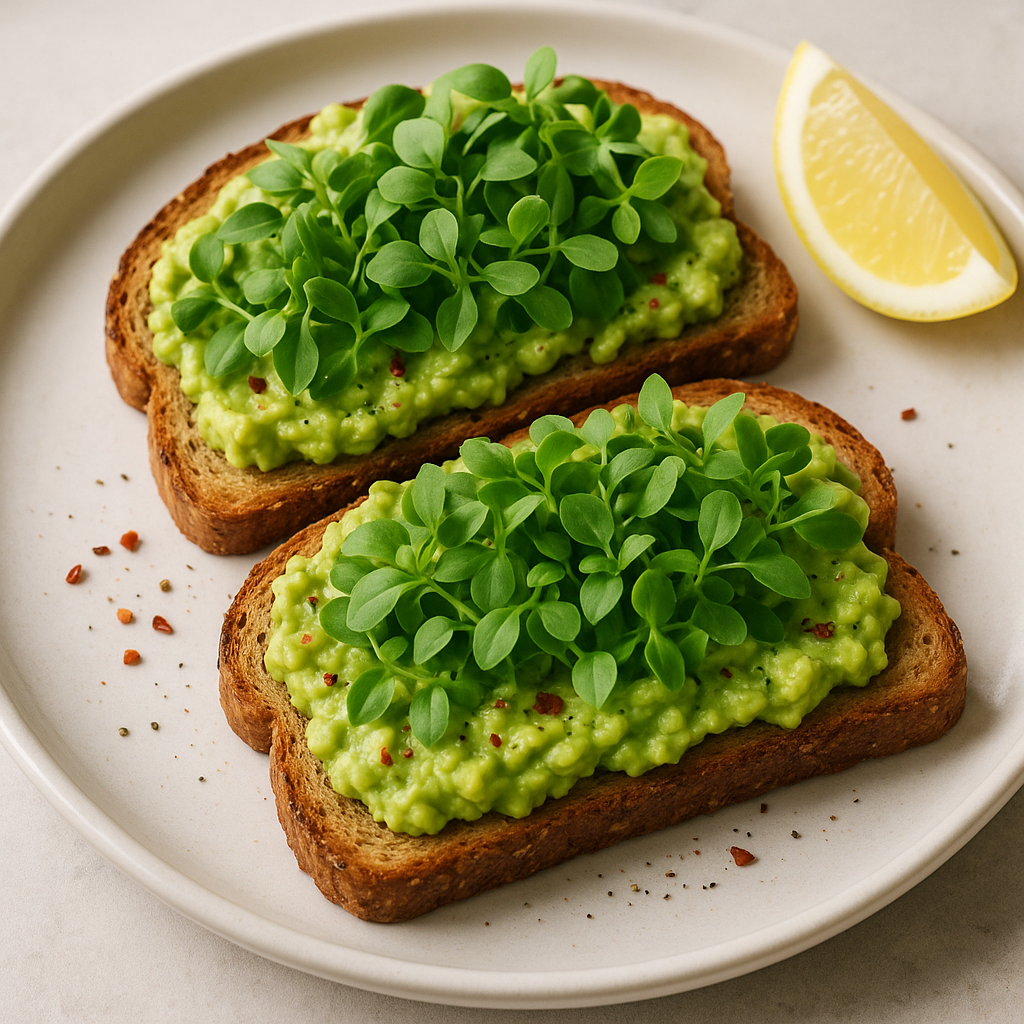
A quick and nutritious breakfast option that highlights the fresh flavor of basil microgreens, paired perfectly with creamy avocado. Inspired by modern brunch trends.
ChefPax Recipes
ChefPax recipe
25 min
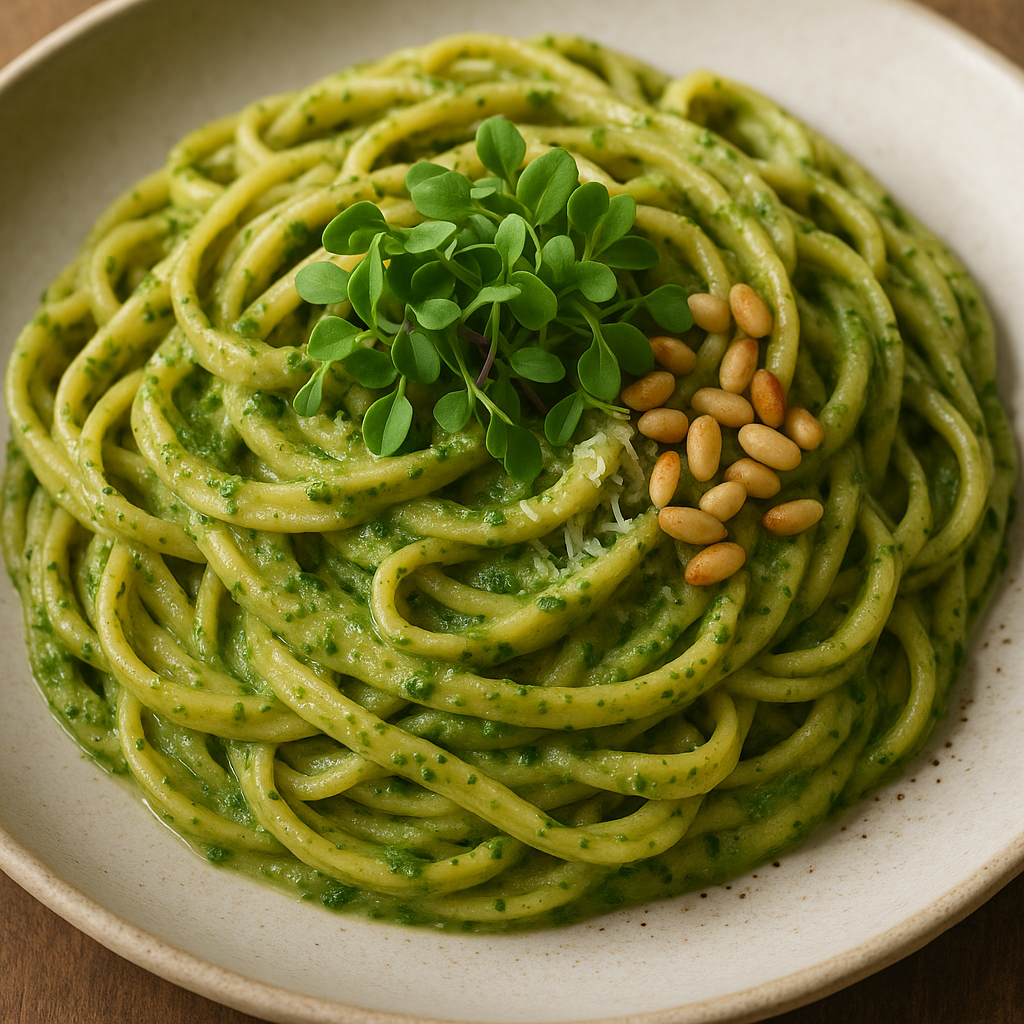
A creamy pasta dish that brings together the freshness of basil microgreens with a rich pesto sauce, perfect for any weeknight meal. Inspired by traditional Italian flavors.
ChefPax Recipes
ChefPax recipe
15 min
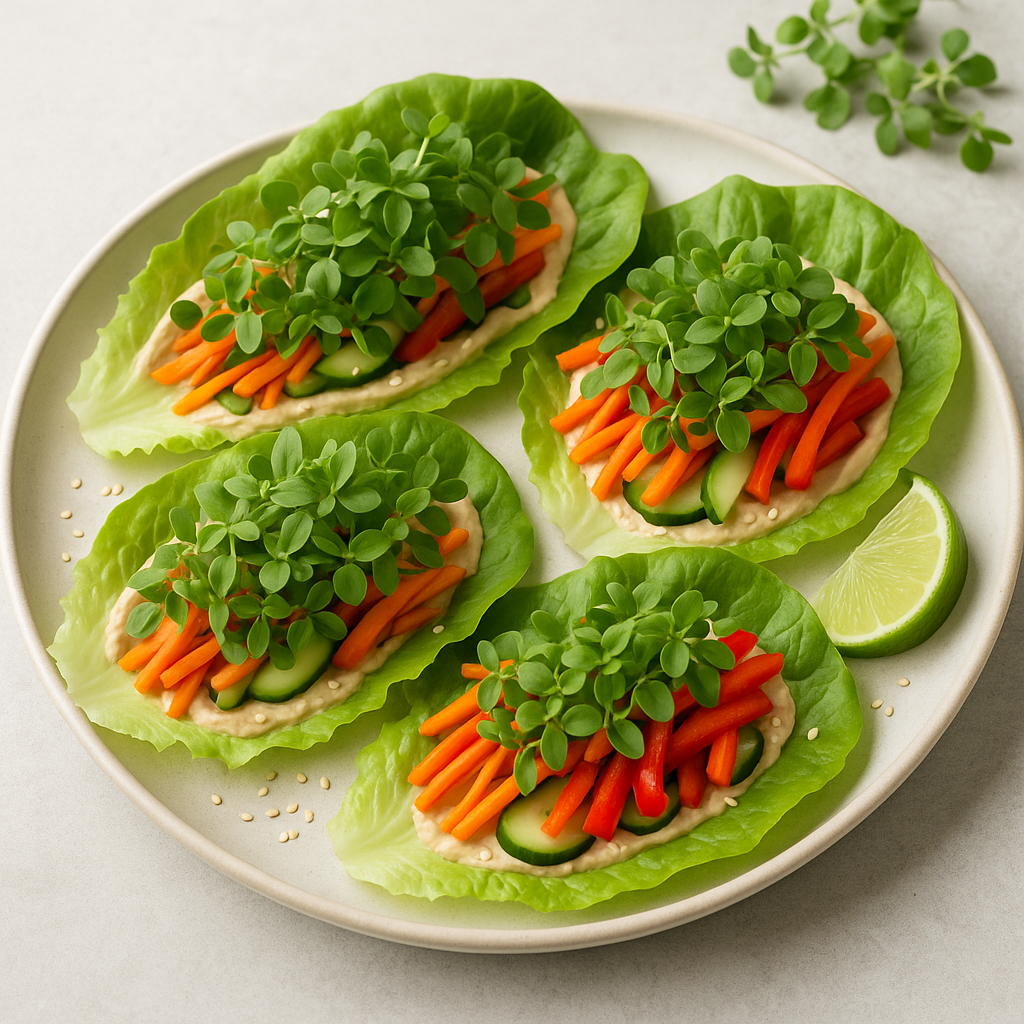
These fresh salad wraps featuring basil microgreens and crunchy veggies are a refreshing, healthy meal option perfect for lunch.
ChefPax Recipes
ChefPax recipe
15 min
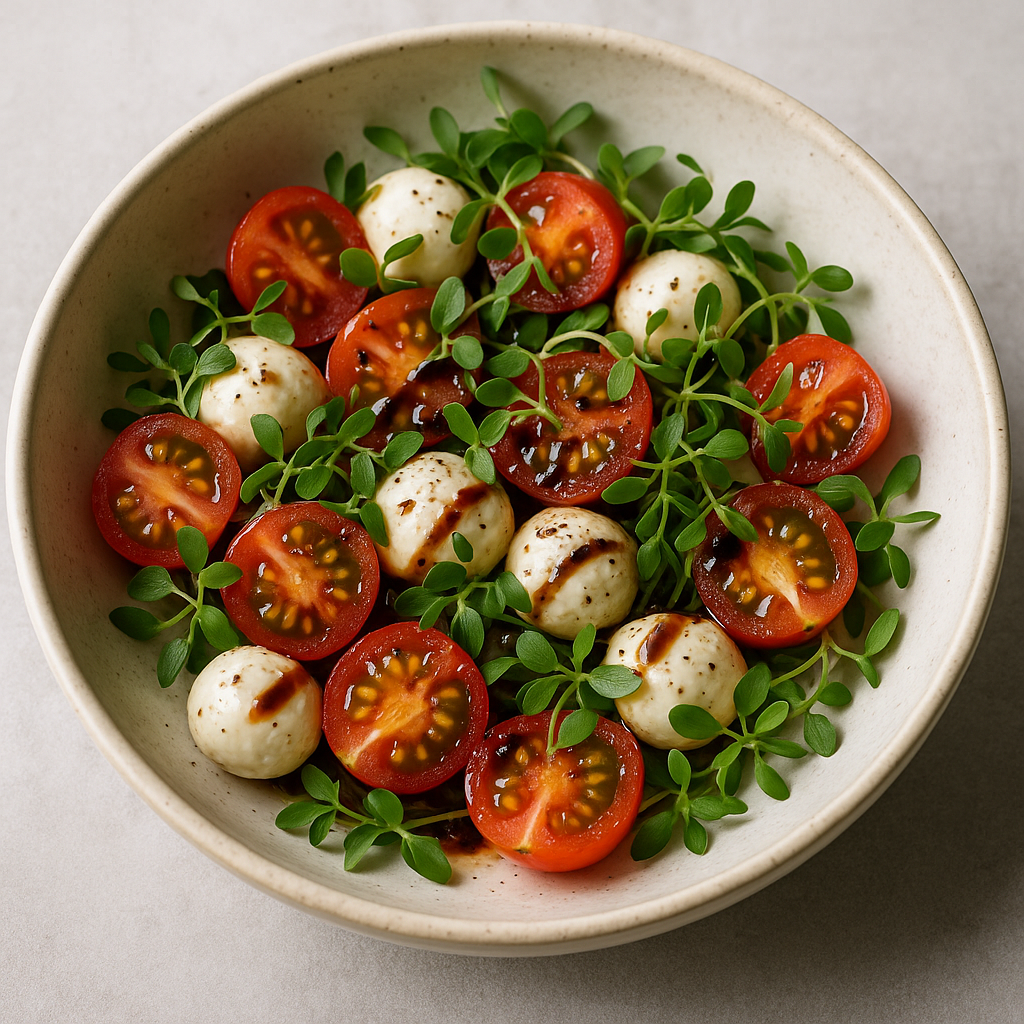
This Caprese salad highlights the aromatic flavor of basil microgreens, creating a fresh and vibrant dish. Inspired by the classic Italian approach to simplicity and freshness.
ChefPax Recipes
ChefPax recipe
15 min
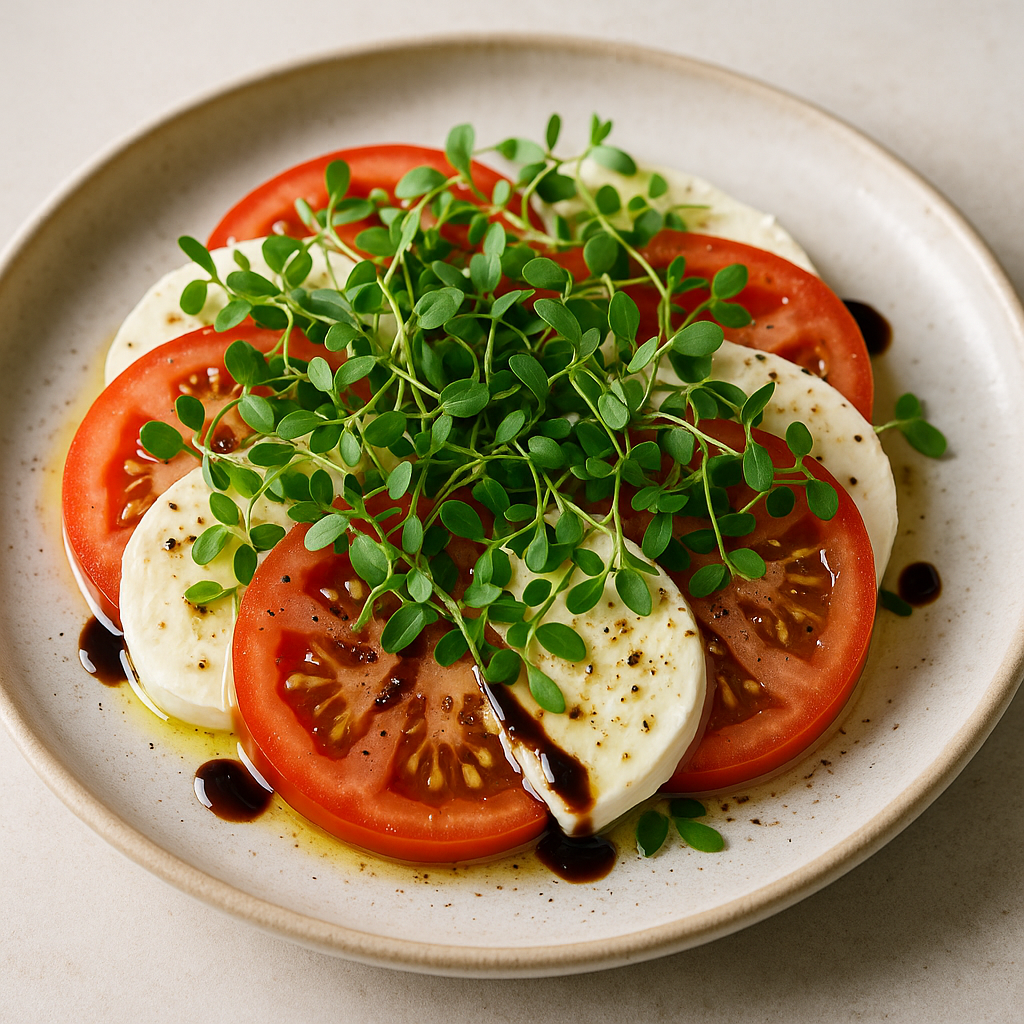
This classic Caprese salad is given a fresh twist by incorporating basil microgreens, enhancing both flavor and nutrition.
ChefPax Recipes
ChefPax recipe
20 min
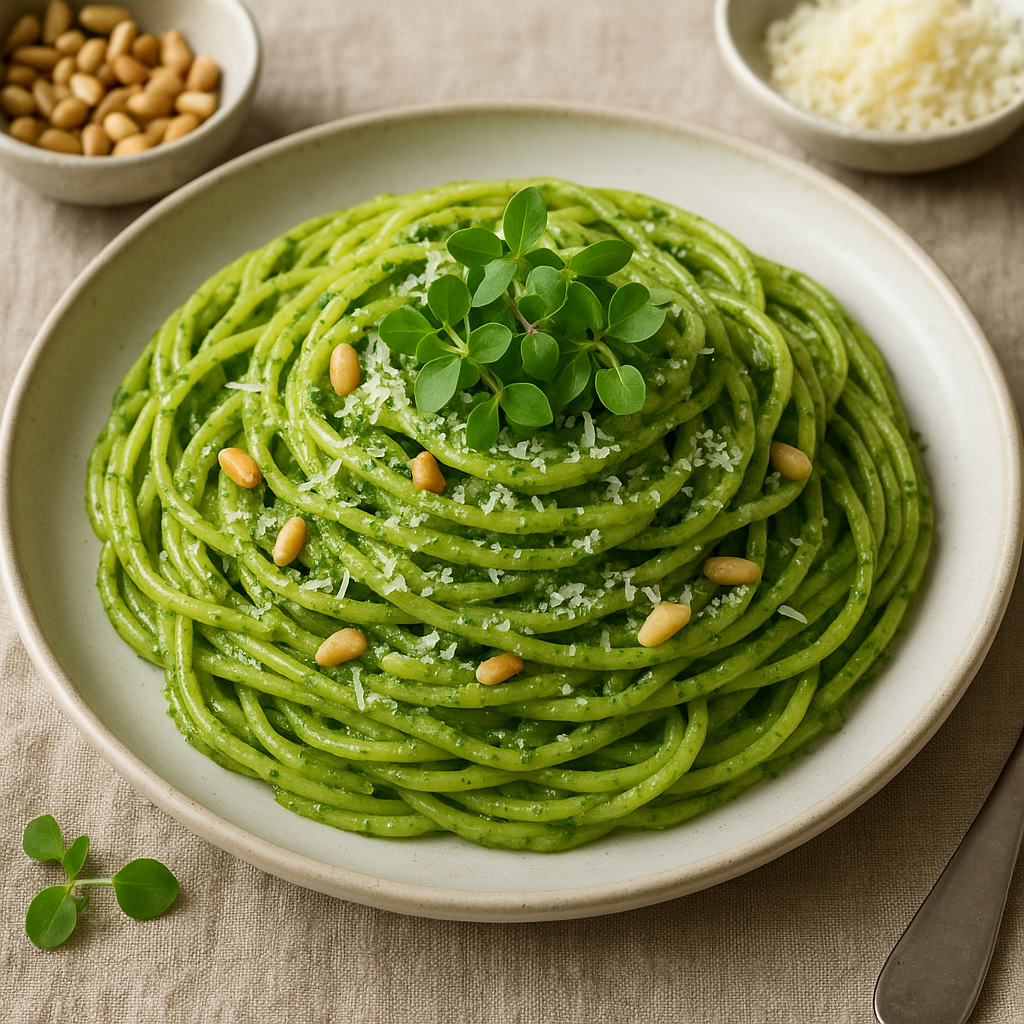
This vibrant pasta dish features a fresh basil microgreens pesto that elevates your weeknight meals with its bold flavors and vibrant color.
ChefPax Recipes
ChefPax recipe
20 min
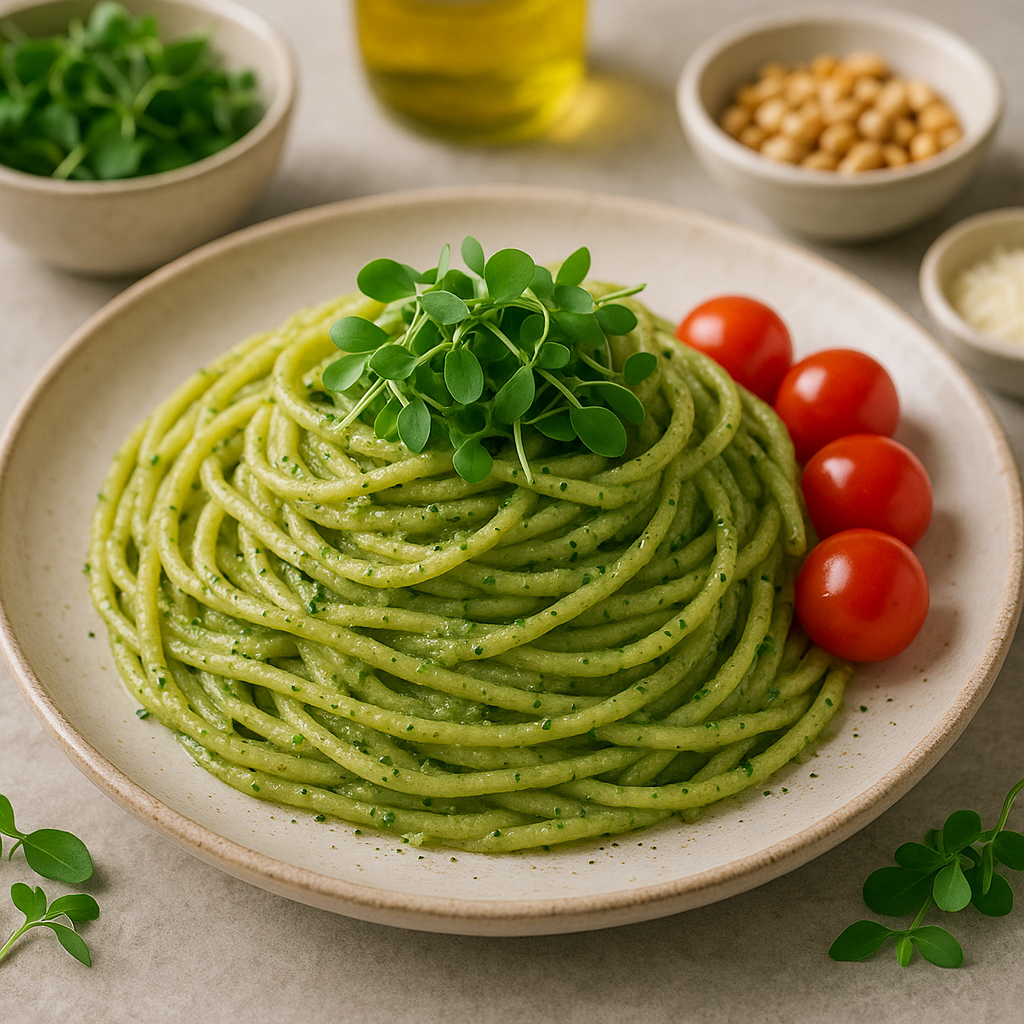
This vibrant pesto made with basil microgreens brings a fresh twist to classic pasta dishes, bursting with flavor and nutrients.
ChefPax Recipes
ChefPax recipe
10 min
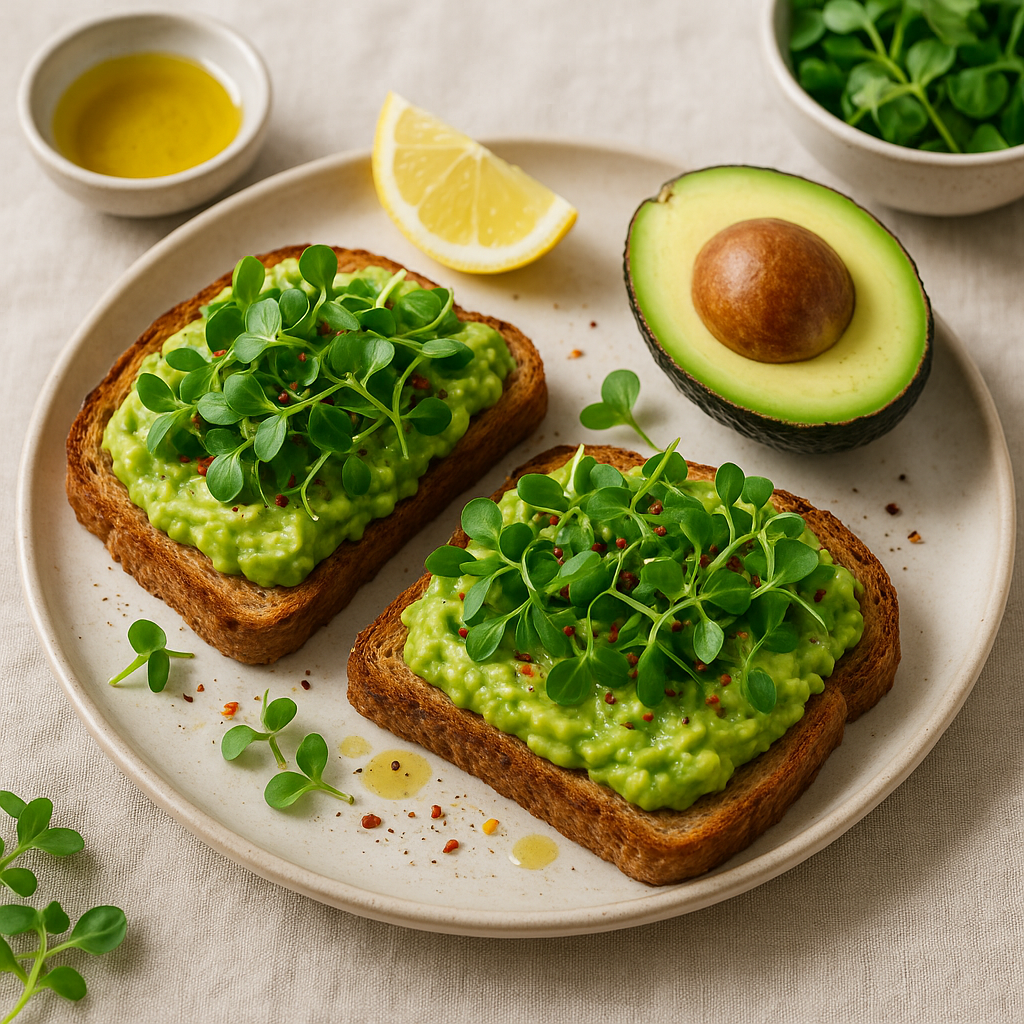
Creamy avocado spread topped with zesty basil microgreens makes for a nutritious and delicious breakfast or snack option.
No — basil microgreens are chilling-sensitive and will turn black if stored below 55°F. Keep them at room temperature in their container, away from cold air vents and refrigerator-cold spots. Use within 3–4 days of delivery.
Yes, as a 1-to-1 flavor substitute in small quantities. The flavor intensity is higher than mature leaves, so use slightly less than you would mature basil. They're best used raw or added at the very end of cooking.
Dark Opal and Thai basil are best for garnish and cocktail applications where the visual color matters. Lemon basil is the most versatile for cooking — it pairs well with seafood and Thai dishes without the color distraction. All three work raw on any dish where you'd use mature basil.
Basil microgreens carry the recognizable aromatic profile of fresh basil — linalool, eugenol, and other volatile compounds — and are used as a direct 1:1 garnish substitute for fresh basil in small quantities. Dark Opal Basil adds additional anthocyanin-based purple pigmentation.
• Basil and its aromatic relatives contain volatile essential oil compounds studied for flavor, aroma, and culinary stability.
moderate evidence• Essential oil profile in basil microgreens varies by cultivar, with purple basil varieties known for anthocyanin pigmentation.
strong evidence1. Yield performance, mineral profile, and nitrate content in a selection of seventeen microgreen species — Frontiers in Plant Science, 2023
Pick a plating goal and ChefPax will shape a tasting set around flavor, texture, and service use.
I'm plating seafood
Aromatic, citrus-friendly herbs for crudo, oysters, salmon, white fish, and raw bar plates.
Bronze Fennel
anise aroma and feathery heightCurled Chervil
soft French-herb liftPea Shoots
sweet height and clean stemsShiso
Japanese aromatic contrastWhat are you making? Get a reviewed pairing grounded in what ChefPax can actually supply.
Browse ChefPax by the way chefs actually choose garnish: dish, service context, and flavor job.
Best microgreens for seafood
The best microgreens for seafood are bronze fennel, curled chervil, pea shoots, and shiso because they add aroma, height, and freshness without overwhelming delicate fish.
Best microgreens for steak
The best microgreens for steak are Chinese Mahogany, radish, wasabi mustard, and nasturtium because they cut richness with savory depth, pepper, or mustard-like heat.
Best garnish crops for cocktails
The best garnish crops for cocktails are bronze fennel, lemon basil, nasturtium, and shiso because they bring aroma and visual precision to the rim or glass.
Best mild microgreens for sandwiches
The best mild sandwich greens are alfalfa sprouts, broccoli microgreens, sunflower, and pea shoots because they add texture without dominating the filling.
Best specialty crops for chefs
The best ChefPax specialty crops for chefs are Chinese Mahogany, bronze fennel, curled chervil, shiso, nasturtium, and red amaranth.
Best herbs for French plating
The best microgreen herbs for French plating are curled chervil, bronze fennel, parsley, and sorrel because they bring restrained aroma and clean finishing flavor.
Best crops for spicy dishes
The best crops for spicy dishes are Rambo radish, wasabi mustard, nasturtium, and cilantro because they add heat, brightness, or fresh herbal contrast.
Looking for something else?
All ChefPax recipes →